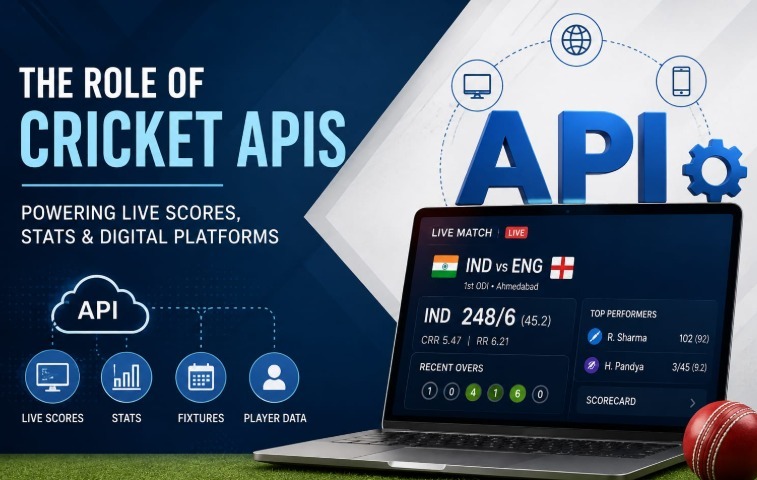
Live cricket scores have become more than a convenience. They are now part of how fans follow matches, check momentum, stay connected during busy days and engage with cricket across devices.
Introduction
For many cricket fans, checking the live score has become second nature. A fan might not be able to watch every ball, but they can still follow the match from a phone, laptop or smartwatch. They can see the score during work, check wickets between meetings, follow a run chase while travelling or keep up with a Test match unfolding in another time zone.
This habit did not appear overnight. Live cricket scores became part of the online fan experience because they solved a very real problem: cricket is long, detailed and often difficult to follow continuously. Fans needed a way to stay connected without watching every over. Digital score updates gave them that connection.
Today, live cricket scores sit at the centre of sports websites, mobile apps, fantasy platforms, fan communities and match centres. Behind those experiences are structured cricket data feeds, score systems and tools such as a Cricket API, which help platforms turn match events into fast, readable updates for fans.
Why Cricket Was Always Suited to Live Score Updates
Cricket is one of the best sports for live score tracking because the score itself carries so much meaning. In some sports, a score update only tells you who is ahead. In cricket, the score can reveal the state of the innings, the pressure of the chase, the value of wickets in hand and the direction of the match.
A score such as 142/2 after 18 overs tells a fan far more than just a number. It tells them how many wickets remain, how quickly the batting side is scoring and roughly what kind of total might be possible. In a chase, the equation becomes even more immediate. Fans want to know runs required, balls remaining, wickets left and required run rate.
Because cricket is so numbers-rich, live scores can keep fans engaged even when they cannot watch. A well-presented live score becomes a compact version of the match story.
From Occasional Updates to Constant Match Awareness
Before digital platforms became common, many fans relied on radio, television, newspapers or occasional text updates. That meant cricket was often followed in scheduled moments: a lunch break, a news bulletin, a broadcast segment or the next day’s scorecard.
Online live scores changed that rhythm. Fans no longer had to wait for a summary. They could follow a match in small, frequent checks. This created a new kind of fan behaviour. Someone could follow the shape of a full day’s play while only checking the score ten or twenty times.
This is especially important for cricket because matches often last longer than the time fans have available. Test matches can stretch across five days. One-day matches can take most of a day. T20 matches are shorter, but still happen during work, school, travel or family time. Live scores allow fans to remain connected without being fully present.
Live Scores Became a Habit Because They Are Useful
The popularity of live cricket scores is not just about speed. It is about usefulness. A fan checking a score wants quick answers to simple questions: Who is batting? How many wickets are down? What is the required run rate? Who just got out? How many overs are left? Is the match delayed? Has the result been confirmed?
A strong live score experience answers those questions quickly. It does not force the fan to read a long article or watch highlights. It gives the essential match state in a few seconds.
This is why live score pages became sticky. Fans return repeatedly because the information changes often and each update may matter. A wicket can change a match. A big over can change a chase. A rain delay can change the conditions. A final over can change the entire result.
What Fans Expect from Live Cricket Scores Today
Early online score pages could be fairly simple. Today, expectations are much higher. Fans do not only want a total and wickets. They expect the score experience to feel clear, current and complete.
A modern live cricket score experience may include:
- Current score, wickets and overs
- Batters at the crease
- Current bowler
- Recent balls or over summary
- Required run rate during chases
- Partnership information
- Fall of wickets
- Match status, including delays or interruptions
- Final result and winning margin
These details make the score more meaningful. They help fans understand the match situation instead of simply reading a number.
Why Match Status Matters So Much
A live cricket score is only useful if fans understand the match status. Cricket has many states that affect how a score should be interpreted. A match may be scheduled, delayed, live, interrupted by rain, reduced in overs, abandoned or completed.
If a website shows only a score without status, fans may become confused. Is the match still going? Has rain stopped play? Has the innings ended? Has the target changed? Was the match abandoned?
This is where structured live score data becomes important. Platforms using a source such as a live cricket scores API can build experiences that show not only score updates, but also the match state behind those updates.
Mobile Changed the Live Score Experience
Mobile devices made live cricket scores even more important. A desktop website required fans to sit down and check a page. A phone made the score available anywhere. This changed live scores from a destination into a constant companion.
Mobile also changed how information needed to be presented. A fan checking a phone wants fast, readable information. The best mobile score experiences show the current match state clearly without overwhelming the screen.
Notifications added another layer. Fans could receive alerts for wickets, innings breaks, milestones and results. But alerts only work well when the underlying data is accurate. A wrong wicket notification or delayed final result can quickly damage trust.
Live Scores Support More Than Fans
Live cricket scores are important for fans, but they also support a wider digital ecosystem. Sports publishers use live scores to keep readers engaged. Fantasy platforms use match updates to power contests and player tracking. Broadcasters use data to support graphics and second-screen experiences. Communities use live scores to fuel discussion.
A live score is often the starting point for deeper engagement. A fan checks the score, then opens the scorecard, reads commentary, checks player stats, joins a discussion or follows the next match. This makes live score data one of the most important entry points into cricket coverage.
AI Will Make Live Scores More Interactive
Live scores are also likely to become more intelligent. Instead of only showing what happened, future score experiences may explain what it means. AI could summarize an innings, explain why a run chase has become difficult, highlight a key bowling spell or help casual fans understand match context.
But AI cannot do this well without accurate live data. It needs score, wickets, overs, player names, match format, innings state, result status and timing. The smarter the fan experience becomes, the more important reliable cricket data becomes underneath.
Final Thoughts
Live cricket scores became part of the online fan experience because they match the way people actually follow cricket. Not every fan can watch every ball, but almost every fan wants to stay connected to the match.
The best live score experiences do more than update numbers. They help fans understand the state of the game: who is in control, what changed, what still needs to happen and whether the match is moving toward a result.
As cricket coverage becomes faster, more mobile and more personalized, live score data will remain central. It is the bridge between the match and the fan, turning every ball, wicket and run chase into an experience people can follow wherever they are.