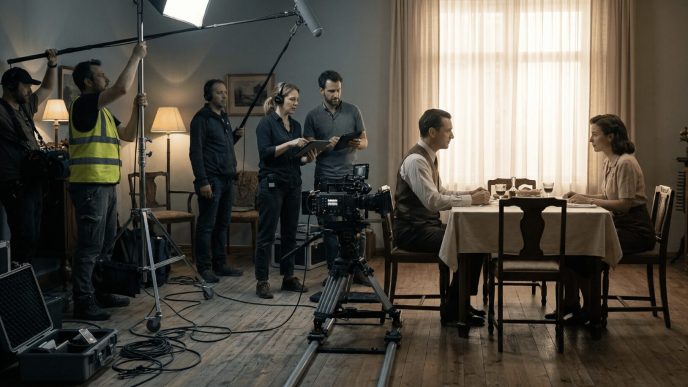
Video creation used to be treated as a separate production task. A team needed footage, editing software, time, and usually someone with technical experience. Even a short video could require planning, recording, trimming, exporting, and multiple rounds of revision. That process still matters for polished campaigns and professional work, but it no longer describes every kind of video creation.
Today, more people need video in smaller, faster, and more flexible ways. A creator may need a short clip for a post. A startup may need a quick visual draft for a product idea. A teacher may want a simple moving explanation. A small business may want to turn an existing image into something more engaging. In these cases, the first version of a video does not always need to begin with a full production setup.
This is where AI video generators are becoming part of everyday content workflows.
Video Is No Longer Only a Final Asset
For a long time, video was seen as the final output of a creative process. A script was written, footage was captured, editing was completed, and the finished video was published. That model still has value, especially when quality, control, and storytelling depth matter.
But digital content now moves faster. Many videos are not large productions. They are drafts, tests, short explanations, social clips, visual experiments, product previews, or quick creative versions. The goal is often not to create a perfect film. The goal is to make an idea visible enough to review, share, or improve.
This changes the role of video. It becomes less like a rare final asset and more like a working format that can support communication, testing, and creative exploration.
Why First Versions Matter
One of the biggest challenges in content creation is getting from an idea to a first visible version. A person may know what they want to say, but not know how to make it visual. A team may have a concept, but no video editor available. A creator may have images, notes, or prompts, but not enough time to build a clip manually.
A first version solves an important problem. It gives people something to react to. Even if it is rough, it can help answer useful questions: Does the idea work visually? Does the pacing feel right? Should the message be clearer? Is motion helping the concept, or distracting from it?
AI video generators are useful because they make that first version easier to reach. They reduce the distance between an idea and something that can be watched.
From Text and Images to Motion
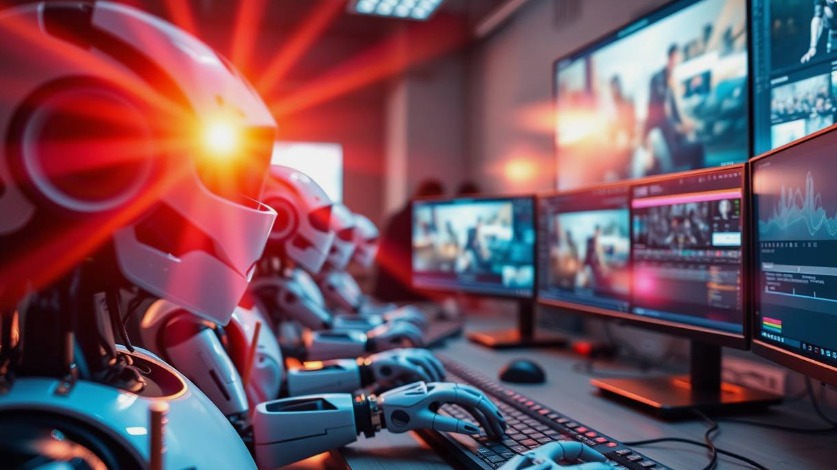
Modern AI video workflows often begin with simple inputs. A user may start with a text prompt, a still image, a product photo, a concept visual, or a rough scene description. Instead of building every frame manually, the user gives the system a direction and reviews the result.
This does not mean the output is automatically final. In many cases, the generated video is a starting point. It can be regenerated, refined, edited, or used as a draft for a larger creative idea. The value is not only speed. The value is that more people can explore video without needing to begin from a blank timeline.
Tools such as King AI fit into this shift by giving users a way to turn prompts, images, and visual ideas into AI-generated videos. For many people, that means video creation becomes less intimidating and more accessible as part of a normal digital workflow.
Why AI Video Generation Supports Experimentation
Creative work often improves through testing. A single idea can take several forms before the right direction becomes clear. One version may feel too slow. Another may need more atmosphere. A third may make the subject easier to understand. When creating every version manually is difficult, people tend to test fewer ideas.
AI video generators make experimentation easier. A creator can test different moods, styles, angles, or visual directions before committing more time. A team can compare several versions and decide which one deserves further editing. A small business can see whether an image or message works better as a short video before investing in a larger production.
This makes AI video less about replacing creativity and more about supporting iteration. The tool helps create options, but the user still decides which option is worth keeping.
Human Judgment Still Shapes the Result
It is important not to treat AI video generation as a one-click solution for every creative problem. A generated video can look impressive but still miss the message. It may have motion but not clarity. It may feel visually interesting but not match the audience, tone, or purpose.
Human judgment remains essential. The user still needs to decide what the video should communicate, what kind of motion fits the idea, whether the result feels natural, and whether the output should be used, revised, or discarded.
This is especially true when using a king ai video generator for practical content creation. The tool can help produce a video, but the creator still has to guide the idea, review the result, and decide whether it supports the intended purpose.
Existing Assets Are Becoming More Useful
Another reason AI video generators are becoming popular is that many people already have useful materials. They may have old photos, screenshots, product images, social graphics, concept art, or campaign visuals. These assets often sit unused after their first purpose is over.
AI video generation gives those assets another life. A still image can become a short motion clip. A product photo can become a simple showcase. A screenshot can become part of an explanation. A visual idea can become a draft video.
This is useful because content creation does not always need to begin from nothing. Sometimes the best starting point is an asset that already exists but needs a new format.
A More Flexible Future for Video Creation
The future of video creation will likely be more flexible than the old production model. Professional video work will still matter. Skilled editors, filmmakers, designers, and storytellers will continue to create the most polished and controlled work.
But many everyday video needs will be handled differently. People will create more drafts, test more ideas, reuse more images, and turn simple prompts into short moving visuals. Video will become part of the early creative process, not only the final publishing stage.
As AI video generators improve, the most valuable skill will not be producing endless clips. It will be knowing which ideas deserve motion, which versions communicate clearly, and when a generated draft should become something more polished.
The real shift is not that video creation is becoming automatic. It is that video creation is becoming easier to start. For creators, teams, and everyday users, that may be the change that matters most.