
Insurance agencies often collect tools one problem at a time, rather than building their entire stack in one move. This approach can work, but one issue is that the agency quickly has to deal with a dozen logins and overlapping client records.
The fix is choosing an insurance agency management system as the operational centre, then adding tools that support how the agency sells and renews business. The core platform should give staff one dependable place for policies, client details, documents, activities and financial records, and everything else should connect to that centre.
A modern stack works when information moves with the client instead of being copied by employees.
Start with a reliable system of record
The management platform should track accounts, policies, carriers, commissions, renewals, documents and communication history. Producers and account managers should see the same record, rather than keeping private notes in inboxes or spreadsheets.
Cloud access is expected, but agencies should also ask about uptime, data ownership, exports, permissions, audit logs and integrations. A system can look modern while trapping information behind awkward processes.
Give clients digital access without hiding the humans
In one recent study, 47% of auto insurance buyers said they purchased through digital channels, ahead of agents and call centres. This goes to show that people do not want to call the office to download an ID card or check whether a request was received.
A client portal can provide policy documents, certificates, billing details, claim information and secure messages, but it needs to feed requests into the agency’s normal workflow.
If a client submits a change online and an employee must retype it elsewhere, the technology has only moved the paperwork.
Treat documents as working information
Insurance work produces applications, endorsements, loss runs, correspondence and carrier forms.
Document tools should support searchable text and version history, not to mention sensible retention rules. Automatic email capture helps when messages land on the right account, while templates stop each producer from sending a different version of the same proposal.
Agencies need a searchable home for carrier appetites, submission requirements, renewal checklists and service procedures. Important knowledge should not disappear when an experienced employee leaves.
Secure every part of the stack
Agencies hold identity details and policy records that criminals can use, so security cannot sit in a binder while daily systems rely on shared passwords and forgotten updates.
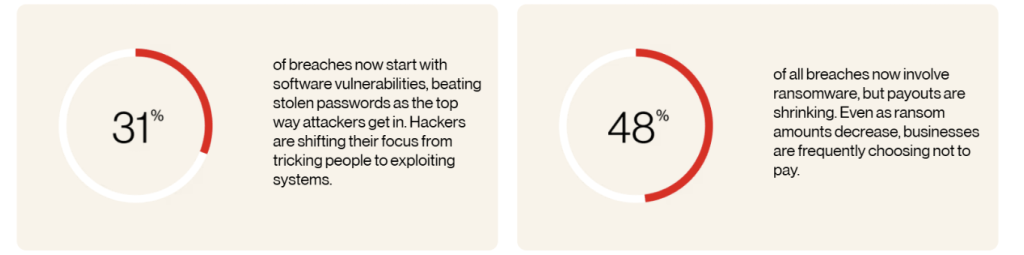
The latest breach research found that 31% of breaches began with the exploitation of software vulnerabilities, which makes patching and vendor management important business issues.
A sensible baseline includes multifactor authentication, managed devices, encrypted backups, endpoint protection and restricted administrator access. Permissions should follow job roles, and former staff should lose access immediately.
Add AI with clear boundaries
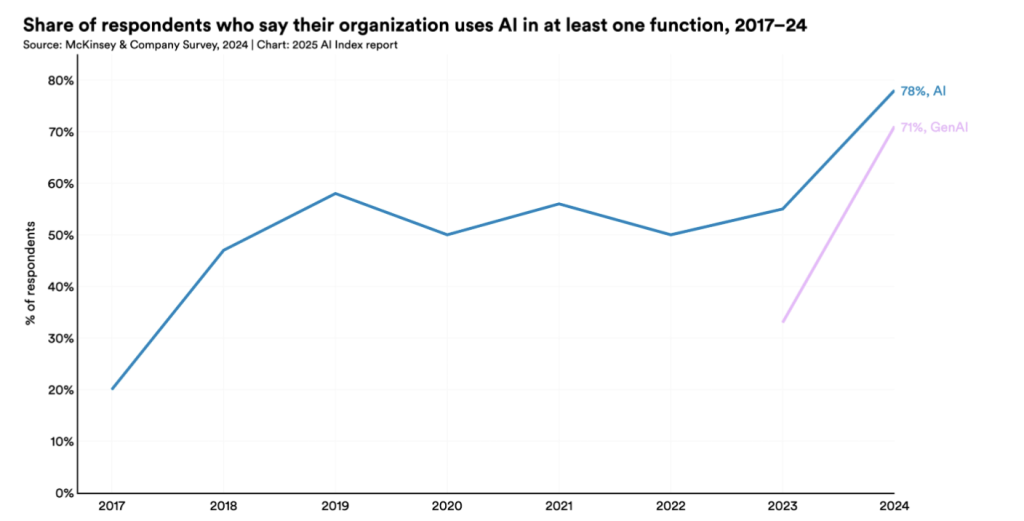
Seventy-eight percent of organisations reported using AI in 2024, so agencies will inevitably encounter it inside products they already buy.
Artificial intelligence can summarise calls, extract information from documents, draft routine emails, organise submission data or flag accounts needing attention. This can save a few minutes on repeated tasks, adding up over time and for increased efficiency.
There are risks involved, though. A public chatbot may retain sensitive client information and an automated message may sound confident while being wrong.
Set written rules for approved tools, permitted data, human review and recordkeeping. Vendors should explain whether data is used to train external models and how outputs are logged.
What belongs in the stack
The exact products depend on agency size and line of business, but the main jobs are consistent:
- A management platform for policies, activities, documents and accounting
- CRM and marketing tools for prospects and producer follow-up
- Rating and electronic signature tools
- A client portal and connected communication channels
- Document management and an internal knowledge base
- Identity security, device protection, backups and monitoring
- Reporting tools for workload and financial performance
- Integrations that keep the other parts connected
Smaller agencies may cover several jobs inside one platform, while larger firms will likely need specialist products. Consolidation helps when it removes duplicate work, but forcing every process into one tool can create new frustrations.
Buy for the handoff, not the demo
Software demonstrations show each feature under perfect conditions, but agency work involves incomplete applications, rushed renewals, unusual risks and clients replying from a different email address.
Ask a vendor to show how an account moves from lead to quote, how a midterm change is recorded and how a renewal is completed. Make sure to include the employees who will do the actual work, as they are much more likely to spot unnecessary clicks than management.
The right stack should make the agency easier to run, with records staying complete, staff knowing what happens next and clients not having to repeat themselves. That matters more than the number of features on a pricing page.