A single camera that can cover an entire room, follow a presenter, and be operated from across the building has become a staple of modern video production. Understanding how these cameras work, and what separates a good fit from a poor one, makes the buying decision far easier and helps you avoid paying for features you will never use.
What a PTZ Camera Is and How It Works
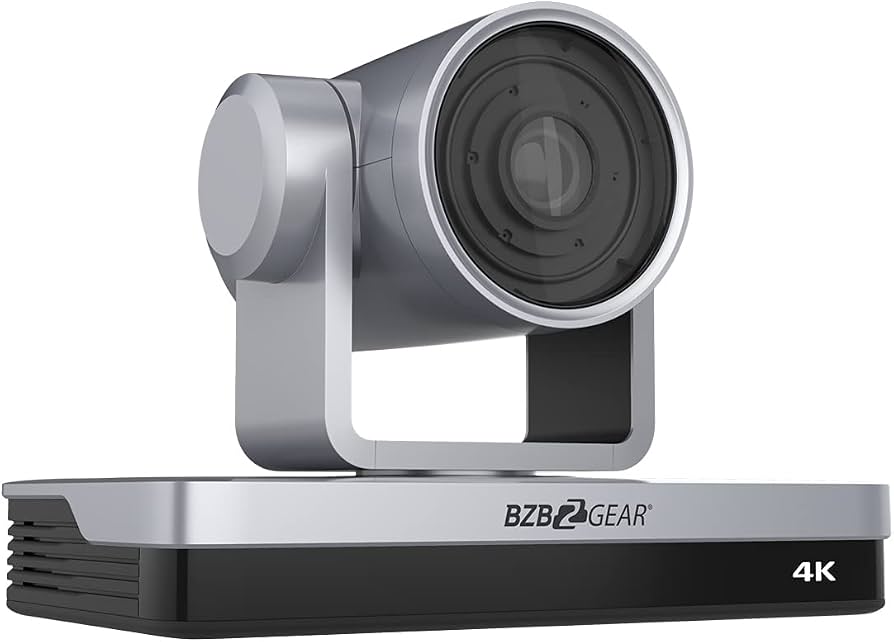
The name describes the motion it supports: pan, tilt, and zoom. A ptz camera moves horizontally and vertically and magnifies a subject on command, all under remote control rather than manual handling. That flexibility lets one unit do the work of several fixed cameras while an operator adjusts framing from a controller, computer, or network connection.
Because the camera itself does the moving, you can mount it once and reframe endlessly without anyone standing behind it. That combination of reach and remote control is what makes the format so popular for productions that cannot spare an operator at every angle.
Where PTZ Cameras Are Used
Because a single device can cover wide areas and reframe instantly, PTZ cameras appear across many professional settings:
- Video conferencing and hybrid meeting spaces
- Live streaming and broadcast studios
- Classrooms, lecture halls, and distance learning
- Houses of worship and event venues
- Security, government, and corporate facilities
In each case they reduce equipment needs while delivering wider coverage and cleaner, more professional images than a static camera can provide.
How to Choose the Right PTZ Camera
Matching the camera to your space and workflow is the key to a satisfying purchase. Weigh these factors before you commit:
- Resolution, from Full HD to 4K, based on how footage will be displayed
- Optical zoom range for capturing distant subjects with detail
- Low-light performance for dim rooms and stages
- Connectivity such as HDMI, SDI, USB, or IP output
- Control protocols like VISCA, ONVIF, or NDI
- Mounting options and room for future scalability
It is worth ranking these features by importance before you shop. A house of worship streaming to a large screen may prioritize resolution and zoom, while a small meeting room may care more about simple connectivity and easy control.
Prioritize the specifications that matter most for your environment rather than chasing the longest spec sheet, and the right model becomes clear quickly.