Winter driving presents unique challenges that demand extra preparation and heightened awareness. Snow-covered roads, icy surfaces, freezing temperatures, and reduced visibility can make even familiar routes more difficult to navigate. Fortunately, today’s vehicles are equipped with advanced safety technologies designed to help drivers maintain control and respond to changing road conditions. While no technology can replace careful driving, these systems provide valuable assistance that improves confidence and enhances overall safety. Drivers interested in vehicles equipped with modern winter-ready features often visit an Edmonton Ford Dealership to explore models designed for year-round performance in challenging climates.
Why Winter Driving Requires Extra Safety
Cold weather affects nearly every aspect of driving. Tires have less traction on snow and ice, braking distances increase, and visibility may be reduced by snowfall, fog, or frost.
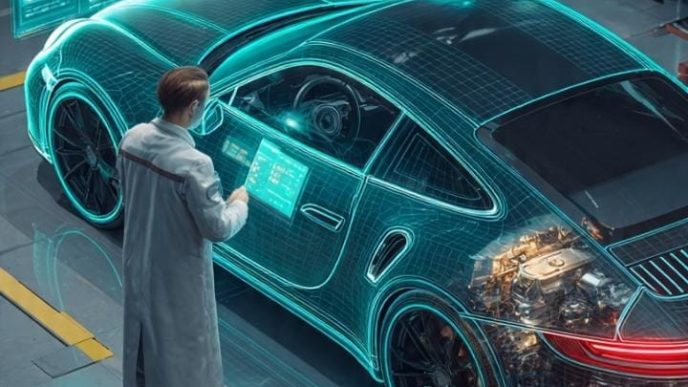
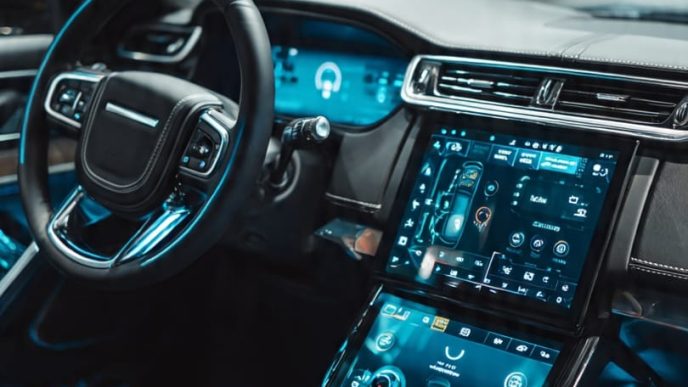
Advanced safety systems help compensate for these challenges by monitoring vehicle behavior, assisting with steering and braking, and alerting drivers to potential hazards. Combined with winter tires and responsible driving habits, these technologies contribute to safer travel throughout the season.
Electronic Stability Control
Electronic Stability Control (ESC) is one of the most important safety features for winter driving.
The system continuously monitors steering input and wheel movement. If it detects that the vehicle is beginning to skid or lose stability, ESC automatically applies braking to individual wheels and adjusts engine power to help restore control.
Whether navigating slippery intersections or avoiding unexpected obstacles, this technology can significantly improve vehicle stability on icy roads.
Anti-Lock Braking System
Braking on snow or ice requires careful control, and the Anti-Lock Braking System (ABS) provides valuable assistance during emergency situations.
ABS prevents the wheels from locking when heavy braking occurs, allowing the driver to maintain steering control while slowing down. Instead of sliding uncontrollably, the vehicle remains more responsive, making it easier to avoid hazards.
Although stopping distances may still increase on slippery roads, ABS improves the driver’s ability to maintain directional control.
Intelligent All-Wheel Drive
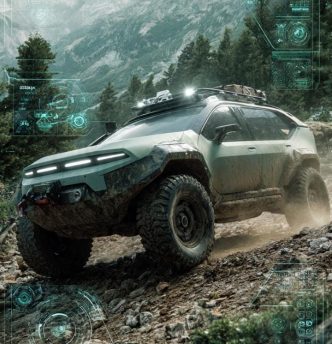
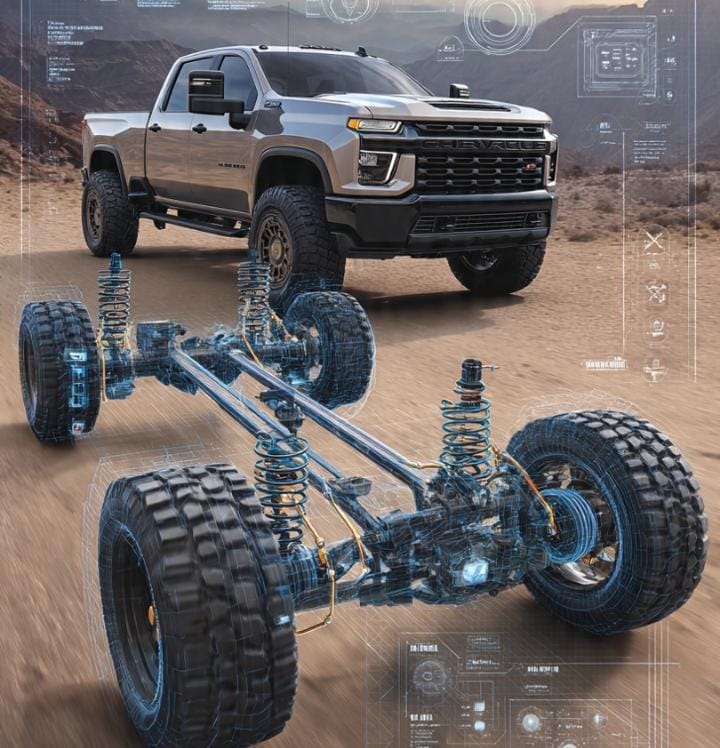
Many vehicles now feature intelligent all-wheel-drive systems that automatically distribute power to the wheels with the greatest traction.
When road conditions change due to snow, slush, or ice, the system continuously adjusts torque delivery to improve grip and stability. Unlike traditional four-wheel-drive systems that require manual engagement, intelligent all-wheel drive responds automatically to changing conditions.
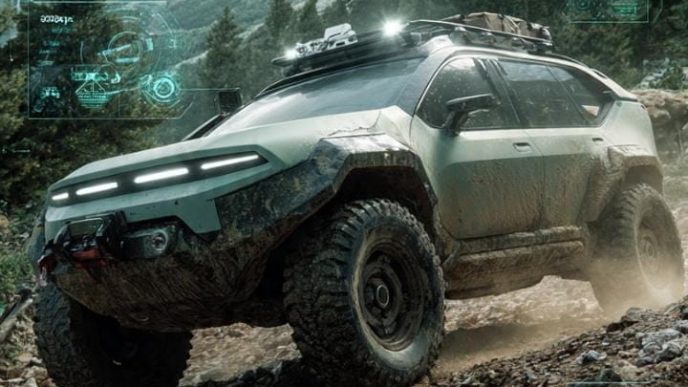
This technology enhances confidence during winter travel while improving traction on both paved and unpaved roads.
Traction Control System
Traction control works alongside stability control to reduce wheel spin during acceleration.
When sensors detect that one or more wheels have lost traction, the system adjusts engine power or applies braking to restore grip. This is especially helpful when starting from a stop on icy roads or climbing snow-covered hills.
By minimizing unnecessary wheel spin, traction control helps drivers accelerate more smoothly and maintain better vehicle control.
Adaptive Cruise Control
Adaptive cruise control offers additional convenience during winter highway driving, though drivers should always use caution when road conditions are poor.
The system uses radar and cameras to monitor traffic ahead and automatically adjusts speed to maintain a safe following distance. On lightly snow-covered highways where conditions permit, this feature can reduce driver fatigue while promoting smoother acceleration and braking.
However, drivers should remain attentive and be prepared to take full control whenever weather conditions deteriorate.
Automatic Emergency Braking
Unexpected hazards become even more dangerous on slippery winter roads.
Automatic emergency braking monitors traffic ahead and warns the driver if a collision appears likely. If the driver does not react quickly enough, the system can apply braking assistance to help reduce impact speed or avoid certain collisions.
While traction limitations still apply on snow and ice, early intervention can provide valuable additional stopping time.
Blind Spot Monitoring
Snowbanks, blowing snow, and reduced daylight can make visibility more challenging during winter.
Blind spot monitoring uses radar sensors to detect vehicles traveling alongside areas that may not be visible through mirrors. Warning indicators alert drivers before changing lanes, reducing the risk of side-impact collisions.
Many systems also include rear cross-traffic alerts that help when reversing out of snow-covered parking spaces with limited visibility.
Heated Cameras and Sensor Technology
Advanced safety systems rely on cameras and sensors, and many modern vehicles include heating elements to keep these components functioning during cold weather.
Heated mirrors, windshield areas, and sensor housings help prevent ice and snow buildup that could interfere with visibility or system performance.
Keeping sensors clear ensures driver assistance technologies continue operating as intended throughout winter conditions.
Tire Pressure Monitoring System
Cold temperatures naturally reduce tire pressure, which can negatively affect traction, braking, and fuel efficiency.
A Tire Pressure Monitoring System (TPMS) continuously checks tire inflation levels and alerts drivers if pressure drops below recommended levels. Maintaining proper tire pressure helps maximize tire performance and improves overall winter driving safety.
Drivers should check tire pressure regularly, especially during sudden temperature changes.
Preparing Your Vehicle for Winter
Even the most advanced safety technologies perform best when supported by proper vehicle maintenance.
Before winter travel, inspect tire tread and pressure, brakes, windshield wipers, battery condition, coolant levels, and exterior lights. Installing quality winter tires where appropriate provides a substantial improvement in traction compared to all-season tires.
Carrying an emergency kit with blankets, a flashlight, water, a phone charger, jumper cables, and basic supplies is also recommended for longer winter trips.
Conclusion
Advanced safety systems have made winter driving safer by helping drivers maintain stability, improve traction, and respond more effectively to changing road conditions. Technologies such as Electronic Stability Control, Anti-Lock Braking, intelligent all-wheel drive, traction control, adaptive cruise control, automatic emergency braking, and blind spot monitoring provide valuable assistance during snow and icy weather. While these innovations greatly enhance vehicle safety, responsible driving, proper maintenance, and appropriate winter tires remain essential for navigating challenging conditions. Together, smart technology and careful preparation help drivers travel with greater confidence throughout the winter season.