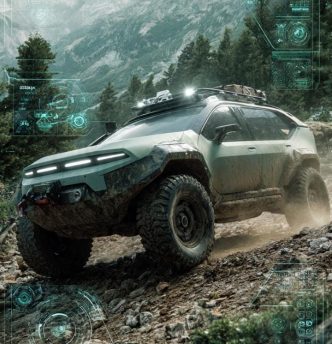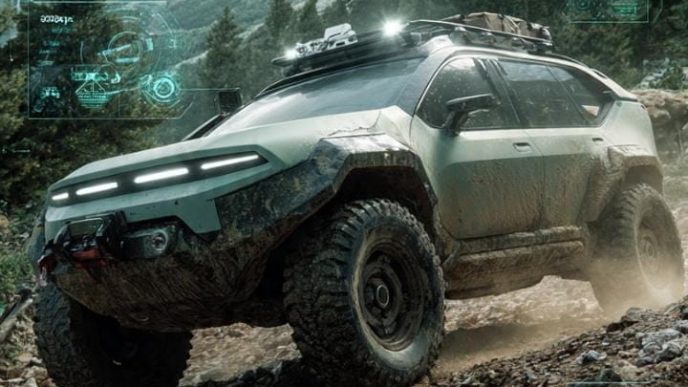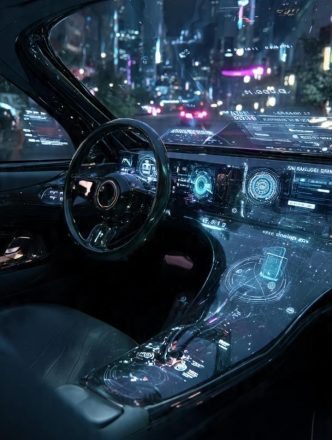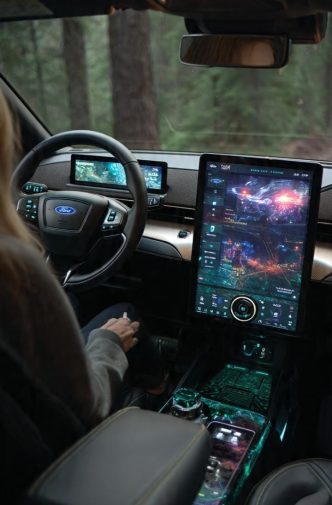
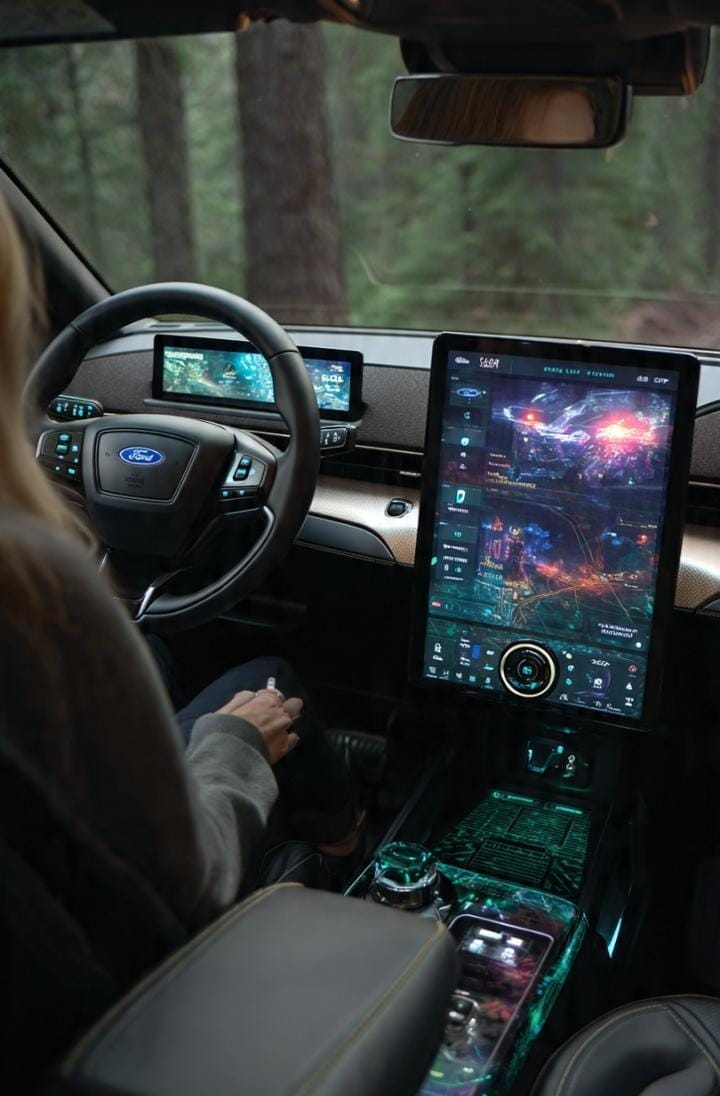
Artificial intelligence (AI) is reshaping the automotive industry by making vehicles safer, smarter, and more connected than ever before. Rather than simply responding to driver inputs, modern vehicles can analyze data, recognize patterns, and assist with decision-making in real time. Ford has embraced AI across multiple aspects of vehicle development, from advanced driver assistance systems to predictive maintenance and connected services. These innovations are designed to improve safety, comfort, efficiency, and the overall ownership experience. Drivers interested in exploring Ford’s latest technology often visit a Ford dealership near Bennington, VT to experience how AI is enhancing today’s vehicles.
AI Powers Advanced Driver Assistance
One of the most noticeable uses of AI in Ford vehicles is within advanced driver assistance systems. These technologies rely on cameras, radar sensors, and onboard computing to monitor the vehicle’s surroundings continuously.
AI processes this information in real time, helping features such as lane-keeping assistance, adaptive cruise control, and automatic emergency braking respond more effectively to changing traffic conditions. While drivers remain fully responsible for operating the vehicle, these systems provide valuable support during everyday driving.
The result is increased confidence behind the wheel, especially on busy highways and in heavy traffic.
Smarter Adaptive Cruise Control
Traditional cruise control maintains a fixed speed, but Ford’s intelligent adaptive cruise control goes much further.
Using AI to interpret data from sensors and cameras, the system automatically adjusts vehicle speed to maintain a safe following distance. It responds smoothly to traffic flow by slowing down and accelerating when conditions change.
Some versions can also recognize speed limit signs and adjust cruising speed accordingly, helping create a more relaxed and efficient driving experience during long trips.
Enhancing Safety With Collision Prevention
Artificial intelligence plays a major role in Ford’s collision avoidance technologies.
The system continuously evaluates traffic ahead, identifying vehicles, cyclists, pedestrians, and other potential hazards. If it detects an increased risk of collision, it alerts the driver and, when necessary, can apply automatic emergency braking to help reduce impact severity or avoid certain accidents altogether.
By analyzing situations faster than a human driver alone, AI provides an additional layer of safety during unpredictable driving conditions.
Intelligent Parking Assistance
Parking in crowded urban areas can be stressful, but AI helps simplify the process.
Ford’s parking assistance technologies use cameras and sensors to identify suitable parking spaces and guide the vehicle into position. Some systems assist with steering while the driver controls braking and acceleration, while others provide comprehensive visual guidance using multiple camera angles.
These intelligent features help reduce parking-related stress and improve maneuvering in tight spaces.
Predictive Maintenance and Vehicle Health
Artificial intelligence is also transforming vehicle maintenance.
Instead of waiting for a mechanical problem to develop, AI monitors information from numerous onboard sensors to identify subtle changes in vehicle performance. By recognizing patterns that may indicate wear or developing issues, the system can notify drivers before minor concerns become expensive repairs.
This predictive approach helps improve reliability, reduce unexpected breakdowns, and support more efficient maintenance scheduling.
Connected Vehicles Learn Continuously
Modern Ford vehicles generate valuable operational data that helps improve future performance.
Connected technologies allow certain vehicle systems to receive software updates that enhance functionality, improve efficiency, and refine AI-powered features over time. Rather than remaining static after purchase, many systems continue evolving as software improvements become available.
This ongoing development helps keep vehicles current while delivering an increasingly refined ownership experience.
AI Improves Navigation and Route Planning
Navigation systems have become significantly more intelligent through artificial intelligence.
Instead of simply calculating the shortest route, AI evaluates real-time traffic conditions, road closures, weather, and historical driving patterns to recommend more efficient travel options.
Drivers benefit from reduced travel times, smoother journeys, and improved fuel efficiency while avoiding unnecessary delays caused by congestion or construction.
Supporting Electric Vehicle Performance
As Ford expands its lineup of electric vehicles, AI has become increasingly important for maximizing efficiency.
Artificial intelligence helps monitor battery health, estimate driving range, optimize energy consumption, and recommend charging stops based on travel routes. The system considers driving habits, terrain, temperature, and traffic conditions to provide more accurate range estimates.
These capabilities help reduce range anxiety while improving overall confidence in electric vehicle ownership.
Voice Recognition and Smart Connectivity
AI also enhances how drivers interact with their vehicles.
Modern voice recognition systems understand natural speech more accurately than earlier generations, allowing drivers to control navigation, climate settings, phone calls, and entertainment without taking their hands off the steering wheel.
Smartphone integration further improves convenience by providing seamless access to apps, messages, and digital services while helping minimize distractions during driving.
AI Supports Manufacturing Quality
Ford uses artificial intelligence long before vehicles reach customers.
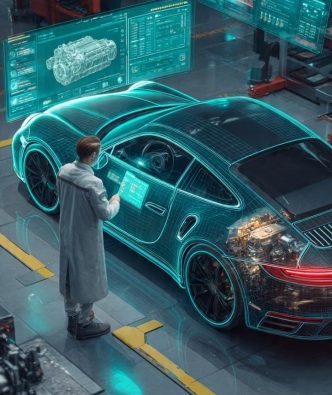
During manufacturing, AI assists with quality inspections by identifying tiny imperfections that may be difficult for the human eye to detect. Machine learning systems analyze production data to improve efficiency, reduce waste, and maintain consistent build quality across thousands of vehicles.
This behind-the-scenes use of AI contributes to higher reliability and improved customer satisfaction.
The Future of AI at Ford
Artificial intelligence will continue shaping the future of Ford vehicles.
Future advancements may include even more sophisticated driver assistance systems, enhanced vehicle-to-vehicle communication, smarter predictive maintenance, and improved personalization based on individual driving preferences.
As AI technology evolves, Ford is expected to continue integrating intelligent features that enhance safety, convenience, and efficiency while preserving the engaging driving experience that customers value.
Conclusion
Artificial intelligence is transforming the way Ford designs, builds, and operates its vehicles. From adaptive cruise control and collision prevention to predictive maintenance, intelligent navigation, and connected vehicle technology, AI is improving nearly every aspect of the driving experience. These innovations help create safer roads, more efficient journeys, and greater convenience for drivers while supporting the continued evolution of modern transportation. As automotive technology advances, Ford’s ongoing investment in artificial intelligence will continue delivering smarter, more capable vehicles that are prepared to meet the changing needs of drivers for years to come.