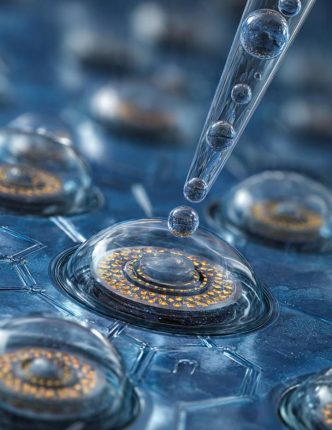
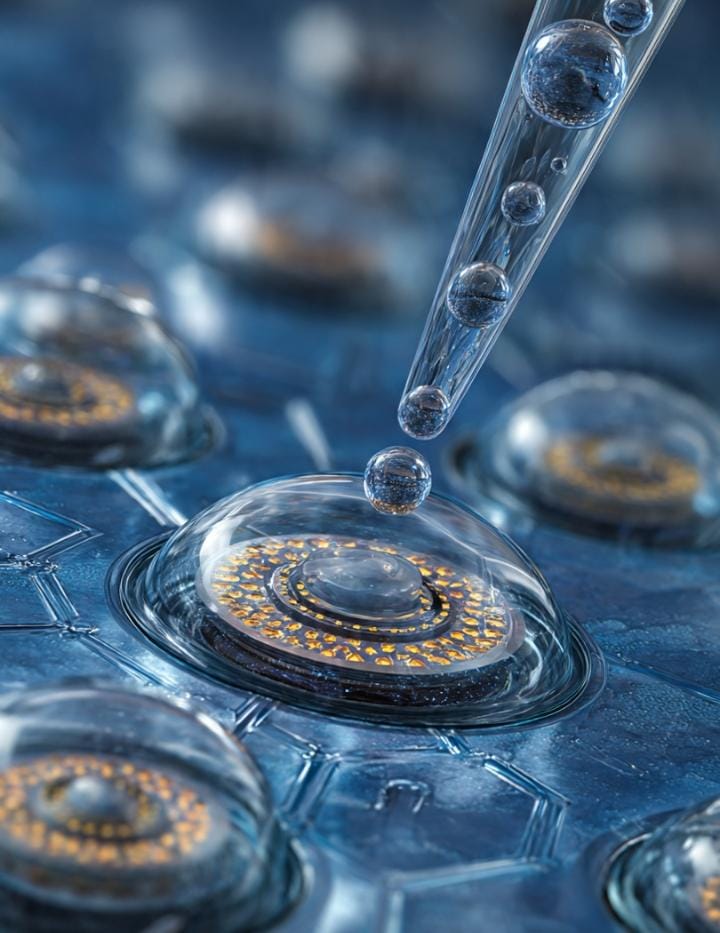
Imagine being able to isolate, analyze, and sort thousands of individual cells every second with astonishing precision. This is no longer a futuristic dream but a tangible reality, thanks to droplet-based microfluidics. By encapsulating single cells or molecules within picoliter-sized droplets, this technology has fundamentally transformed how researchers approach cell biology, drug discovery, and diagnostics. Unlike conventional bulk assays that average signals across populations, droplet-based systems provide high-resolution, quantitative data at the single-cell level, uncovering rare subpopulations and enabling unprecedented experimental control.
At its core, droplet-based microfluidics leverages the immiscibility of two fluids—typically oil and water—to create stable, monodisperse droplets that act as independent micro-reactors. Each droplet can be precisely generated, merged, incubated, and analyzed in a continuous flow, making it an ideal platform for high-throughput screening. Applications range from directed evolution of enzymes and digital PCR to antibody discovery and cellular phenotyping. For life science professionals working with complex biological samples, this approach minimizes cross-contamination, reduces reagent consumption, and dramatically increases assay speed.
Key Benefits of Droplet-Based Microfluidics for Researchers in Türkiye
For Turkish scientists and biopharma companies seeking reliable and efficient solutions, understanding the operational advantages of droplet-based microfluidics is crucial. One of the most compelling benefits is its application in image-activated cell sorting (IACS). By integrating advanced imaging with droplet encapsulation, researchers can now sort cells based on visual phenotypes—such as morphology, fluorescence intensity, or subcellular localization—in real time. This capability bridges the gap between functional assays and morphological analysis, enabling more refined isolation of target cells for downstream applications like single-cell genomics or rare cell enrichment.
The flexibility of droplet-based microfluidics also makes it a powerful tool for 3D cell culture and extracellular vesicle (EV) isolation. In 3D culture, droplets can serve as miniaturized scaffolds where cells grow in a more physiologically relevant environment, allowing researchers to study cell-cell interactions, drug toxicity, and tumor microenvironments with remarkable control. For EV research, droplet-based methods facilitate the isolation and characterization of individual vesicles, overcoming the limitations of bulk purification techniques. This is particularly valuable for biomarker discovery and the development of liquid biopsy assays, areas of growing interest in Türkiye’s academic and clinical research communities.
When considering the adoption of droplet-based microfluidics, researchers often face challenges in sourcing the right equipment, reagents, and technical guidance. This is where a trusted online platform becomes essential. Altium US supports researchers, laboratories, and life science professionals with innovative technologies from trusted global brands. Our online store brings together carefully selected solutions for advanced cell analysis, 3D cell culture, extracellular vesicle isolation, biopharma drug discovery, and diagnostics. We aim to make it easier for scientists to access reliable products, technical expertise, and dedicated support through a simple and convenient purchasing experience. By managing the complexities beyond the laboratory, we help researchers focus on what matters most—advancing science and achieving meaningful results. For those looking to integrate droplet-based microfluidics into their workflow, the Altium Web-shop provides a reliable address for online shopping, offering the tools and expertise needed to succeed in this rapidly evolving field.