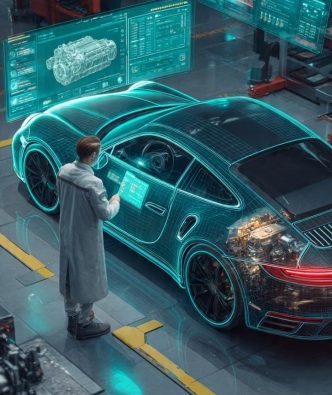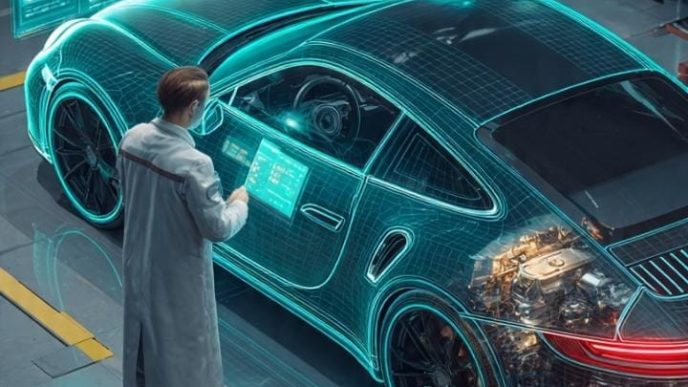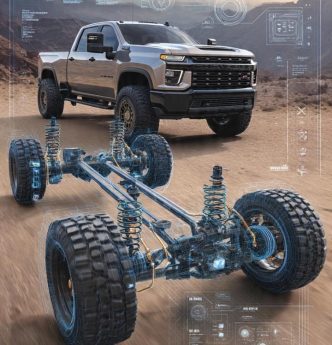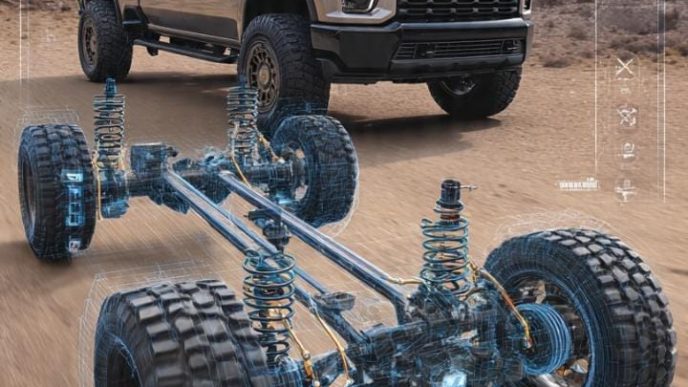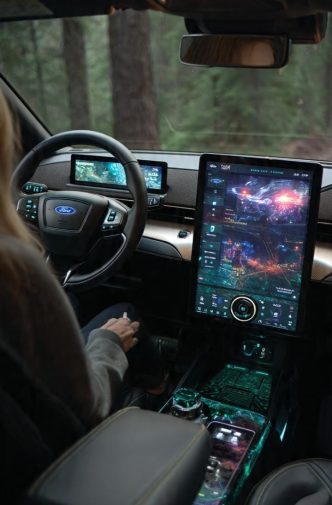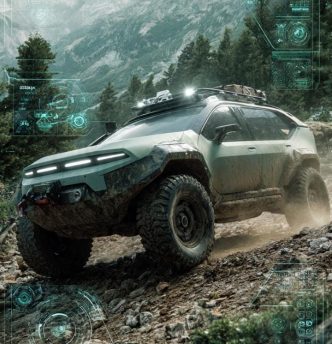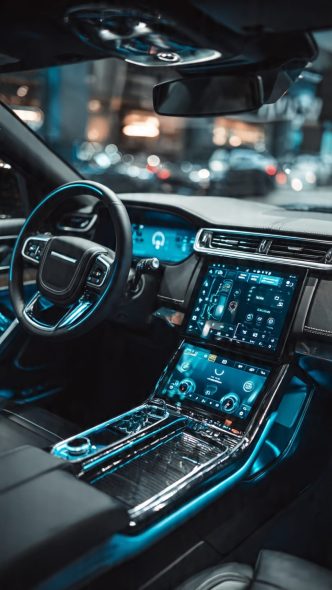
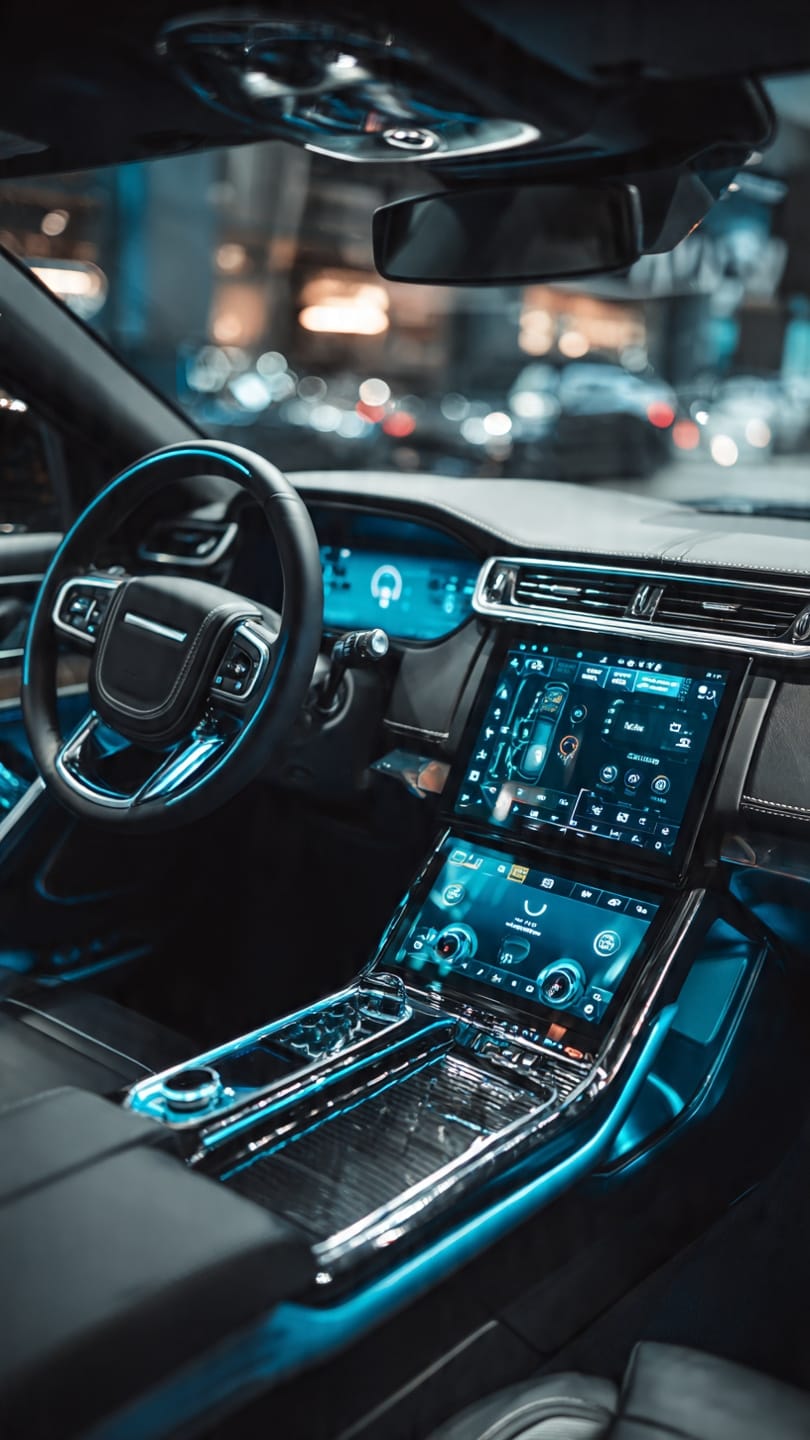
The automotive industry is entering a new era where vehicles are becoming more intelligent, connected, and responsive than ever before. Advances in artificial intelligence, cloud computing, electrification, and sensor technology are transforming how people drive, maintain, and interact with their vehicles. Modern automobiles are no longer just a means of transportation—they are evolving into smart mobility platforms that prioritize safety, convenience, efficiency, and personalization. Drivers interested in experiencing these innovations can explore New cars for sale in Roanoke to discover models equipped with the latest automotive technologies.
Artificial Intelligence Takes the Wheel
Artificial intelligence (AI) is becoming one of the most influential technologies in modern vehicles.
AI processes information collected from cameras, radar, lidar, and onboard sensors to help vehicles understand their surroundings. It powers advanced driver assistance features such as adaptive cruise control, lane-keeping assistance, traffic sign recognition, and automatic emergency braking.
As AI continues to improve, future vehicles will respond more accurately to changing traffic conditions while offering an increasingly smooth and intuitive driving experience.
Connected Vehicles Create Smarter Journeys
Connectivity has become an essential feature of today’s automobiles.
Modern vehicles communicate with smartphones, cloud services, and navigation systems to provide real-time traffic updates, weather information, remote vehicle monitoring, and software updates. Drivers can remotely start their vehicles, lock or unlock doors, check maintenance status, and locate their cars through mobile apps.
As communication technologies continue evolving, vehicles will become even more integrated into drivers’ daily digital lives.
Over-the-Air Software Updates
Software now plays a critical role in vehicle performance and functionality.
Over-the-air (OTA) updates allow manufacturers to improve vehicle systems without requiring a visit to the dealership. Updates can enhance infotainment systems, refine driver assistance features, strengthen cybersecurity, and even introduce new functions after purchase.
This capability helps vehicles remain technologically current throughout their ownership while continuously improving the user experience.
Advanced Driver Assistance Continues to Evolve
Safety technology is advancing rapidly as vehicles become smarter.
Future driver assistance systems will use faster processors and more sophisticated sensors to detect vehicles, pedestrians, cyclists, and road hazards with greater precision. Improved object recognition and predictive algorithms will allow systems to respond more naturally to complex traffic situations.
While drivers will remain responsible for operating their vehicles, intelligent assistance will continue reducing workload and enhancing overall road safety.
Smarter Electric Vehicle Technology
Electric vehicles are driving innovation across the automotive industry.
Future battery technologies promise longer driving ranges, shorter charging times, and greater energy efficiency. Intelligent battery management systems will optimize charging patterns, monitor battery health, and recommend charging locations based on travel routes.
Artificial intelligence will also improve energy management by adapting vehicle performance to driving conditions and individual driving habits.
Voice Recognition Becomes More Natural
Voice control systems are becoming increasingly sophisticated.
Instead of relying on simple commands, future voice assistants will understand conversational language and recognize driver preferences. Drivers will be able to adjust climate settings, enter navigation destinations, send messages, and control entertainment systems using natural speech.
This hands-free interaction helps reduce distractions while making vehicle controls more convenient and intuitive.
Personalized Driving Experiences
Smart technology is allowing vehicles to adapt to individual drivers.
Digital profiles can automatically adjust seating positions, mirrors, steering wheel settings, climate preferences, infotainment layouts, and favorite destinations whenever a specific driver enters the vehicle.
Artificial intelligence may also learn driving habits over time, providing personalized navigation suggestions, maintenance reminders, and efficiency recommendations tailored to each owner’s routine.
Predictive Maintenance Enhances Reliability
Vehicle maintenance is becoming more proactive through intelligent diagnostics.
Instead of simply reporting mechanical problems after they occur, advanced monitoring systems analyze data from hundreds of sensors to identify early signs of wear. Drivers receive maintenance alerts before minor issues become major repairs.
Predictive maintenance reduces unexpected breakdowns, lowers repair costs, and helps extend vehicle lifespan.
Vehicle-to-Vehicle Communication
One of the most exciting developments in smart mobility is vehicle-to-vehicle communication.
Future vehicles may exchange information about speed, road hazards, sudden braking, traffic congestion, and weather conditions in real time. This shared awareness could improve traffic flow while helping drivers avoid dangerous situations before they become visible.
As infrastructure continues to develop, communication between vehicles and traffic systems may further enhance transportation efficiency.
Cybersecurity Remains a Priority
As vehicles become more connected, protecting digital systems becomes increasingly important.
Manufacturers continue investing in advanced cybersecurity measures, including encrypted communications, secure software architecture, multi-layer authentication, and continuous software monitoring. Over-the-air security updates help address newly discovered vulnerabilities while protecting connected services.
Strong cybersecurity ensures drivers can confidently enjoy the benefits of connected technology.
Sustainability Through Smart Innovation
Future vehicle technology also supports environmental sustainability.
Improved aerodynamics, lightweight materials, efficient powertrains, and intelligent energy management systems help reduce fuel consumption and emissions. Smart route planning can minimize unnecessary travel time, while connected traffic systems may reduce congestion and improve overall transportation efficiency.
Technology is helping create vehicles that are not only smarter but also more environmentally responsible.
Conclusion
The next generation of smart vehicle technology is redefining the driving experience through artificial intelligence, advanced connectivity, intelligent safety systems, predictive maintenance, and electrification. These innovations are making vehicles more efficient, personalized, and capable while improving convenience and road safety. As software, sensors, and communication technologies continue to advance, tomorrow’s vehicles will become even more responsive to drivers’ needs and better equipped to navigate an increasingly connected world. The future of mobility is not simply about getting from one place to another—it’s about creating a safer, smarter, and more enjoyable journey every time you drive.