The future of mobility is evolving rapidly, driven by advancements in electrification, artificial intelligence, connected technologies, and sustainable transportation. As one of the world’s leading automakers, Toyota is investing heavily in innovations that go beyond building reliable vehicles. The company is developing smarter transportation solutions designed to improve safety, reduce environmental impact, and create more connected driving experiences. From hybrid technology to next-generation electric vehicles and intelligent mobility services, Toyota continues to shape the future of transportation. Drivers interested in experiencing the brand’s latest innovations often explore New Toyota cars for sale in Florida to discover models equipped with modern technology and advanced efficiency features.
Building on a Legacy of Innovation
Toyota has long been recognized for introducing technologies that influence the automotive industry. Its commitment to quality, efficiency, and continuous improvement has helped establish a strong reputation worldwide.
Rather than focusing on a single solution, Toyota is pursuing multiple technologies simultaneously. This diversified strategy allows the company to adapt as consumer preferences, infrastructure, and environmental goals continue to evolve.
The result is a broad vision for mobility that supports different driving needs across global markets.
Expanding Vehicle Electrification
Electrification remains one of Toyota’s highest priorities.
The company continues to expand its lineup of hybrid, plug-in hybrid, battery electric, and hydrogen fuel cell vehicles. This multi-pathway approach recognizes that different regions have varying charging infrastructure, driving habits, and energy resources.
By offering multiple powertrain options, Toyota aims to provide practical solutions that help reduce emissions while meeting diverse customer needs.
Advancing Battery Technology
Battery performance plays a central role in the future of electric mobility.
Toyota continues investing in research focused on improving battery efficiency, charging speed, durability, and driving range. Engineers are also exploring next-generation battery technologies designed to increase energy density while reducing charging times.
These advancements could make future electric vehicles more convenient for everyday use while supporting wider adoption of electrified transportation.
Artificial Intelligence Enhances Driving
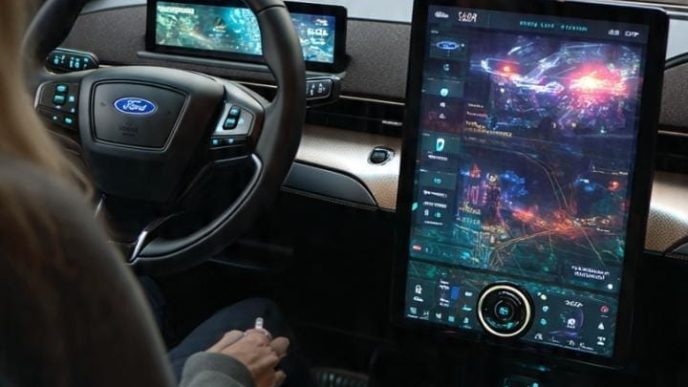
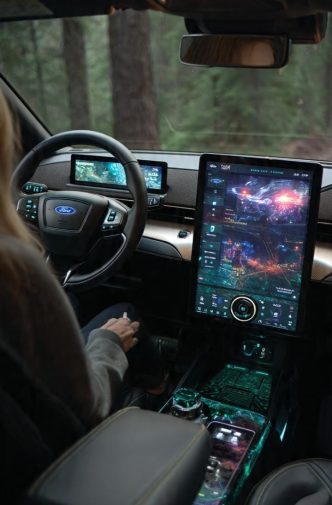
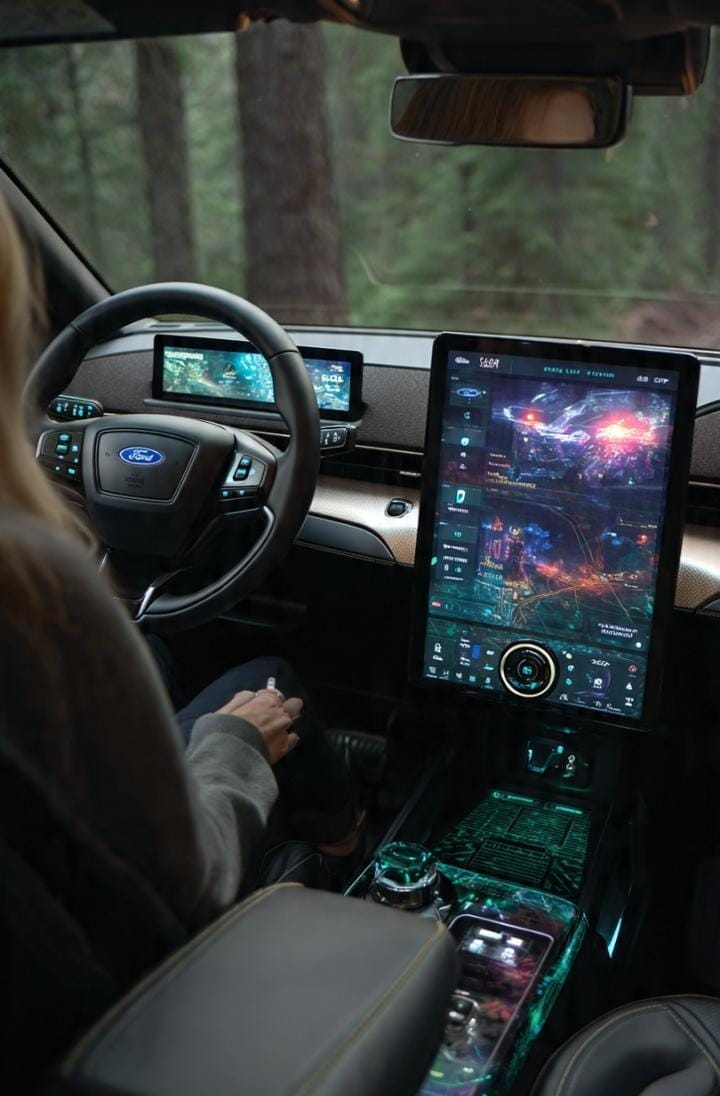
Artificial intelligence is becoming increasingly important in Toyota’s future mobility strategy.
AI supports advanced driver assistance systems by analyzing data from cameras, radar, and sensors in real time. These technologies help improve features such as adaptive cruise control, lane-keeping assistance, collision avoidance, and traffic sign recognition.
Artificial intelligence also contributes to smarter navigation, predictive maintenance, and personalized vehicle settings that adapt to individual driving preferences.
Connected Vehicle Technology
Modern vehicles generate valuable information that can improve both convenience and safety.
Toyota continues developing connected vehicle systems that provide real-time navigation updates, remote vehicle monitoring, smartphone integration, and over-the-air software updates. These connected services allow vehicles to remain current with software improvements long after purchase.
Enhanced connectivity also supports maintenance scheduling and diagnostic reporting, making vehicle ownership more convenient.
Investing in Hydrogen Fuel Cell Technology
While battery electric vehicles receive significant attention, Toyota continues investing in hydrogen fuel cell technology as another pathway toward cleaner transportation.
Fuel cell vehicles generate electricity using hydrogen while producing only water vapor as a byproduct. They also offer fast refueling times and extended driving range, making them attractive for certain applications.
Toyota believes hydrogen may play an important role in supporting commercial transportation and regions where battery charging infrastructure remains limited.
Smart Cities and Integrated Mobility
Toyota’s vision extends beyond individual vehicles.
The company is researching smart transportation systems that integrate vehicles with infrastructure, pedestrians, and public transit. Connected mobility solutions could improve traffic flow, reduce congestion, and enhance road safety through real-time communication.
Projects exploring smart city concepts demonstrate Toyota’s interest in creating transportation ecosystems that improve daily life while supporting environmental sustainability.
Advanced Safety Technologies
Safety continues to be a major focus of Toyota’s mobility strategy.
Toyota Safety Sense includes a growing collection of driver assistance technologies such as pre-collision systems, lane departure alerts, adaptive cruise control, automatic high beams, and road sign assistance.
As sensor technology and artificial intelligence continue advancing, these systems are expected to become even more accurate, helping drivers recognize and respond to potential hazards more effectively.
Sustainable Manufacturing Practices
Preparing for the future involves more than developing advanced vehicles.
Toyota is also working to reduce the environmental impact of its manufacturing operations by improving energy efficiency, minimizing waste, increasing recycling efforts, and using renewable energy where practical.
These sustainability initiatives support broader environmental goals while helping reduce the overall carbon footprint of vehicle production.
Mobility for Everyone
Toyota views future mobility as more than personal transportation.
The company continues researching technologies that improve accessibility for older adults and individuals with disabilities. Innovations in automated mobility, robotics, and intelligent transportation systems may help expand independence for people with varying mobility needs.
Creating transportation solutions that serve a wider range of communities remains an important part of Toyota’s long-term vision.
Looking Ahead
The automotive industry is changing at an unprecedented pace, and Toyota continues adapting through research, investment, and technological development.
Future vehicles are expected to become increasingly connected, electrified, and intelligent while offering improved efficiency, enhanced safety, and greater convenience. By maintaining a flexible strategy that includes multiple powertrain technologies and advanced mobility solutions, Toyota positions itself to respond effectively as transportation continues evolving.
Its long-term commitment to innovation ensures the company remains a significant contributor to the future of global mobility.
Conclusion
Toyota is preparing for the future of mobility through a comprehensive strategy that combines electrification, artificial intelligence, connected technology, advanced safety systems, hydrogen fuel cell research, and sustainable manufacturing. Rather than relying on a single technological direction, the company is developing multiple solutions to meet the changing needs of drivers around the world. As transportation becomes smarter, cleaner, and more connected, Toyota’s ongoing investments continue shaping how people move safely and efficiently. With a strong focus on innovation and long-term sustainability, Toyota is helping define the next generation of mobility while maintaining the reliability and quality that drivers have trusted for decades.