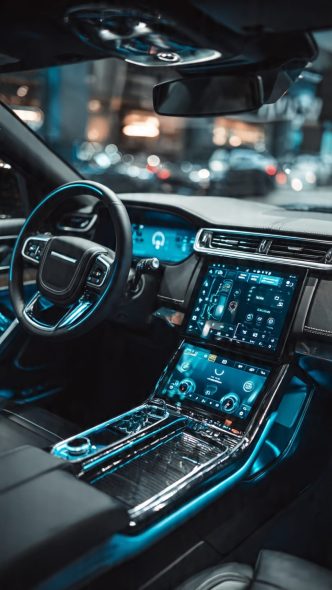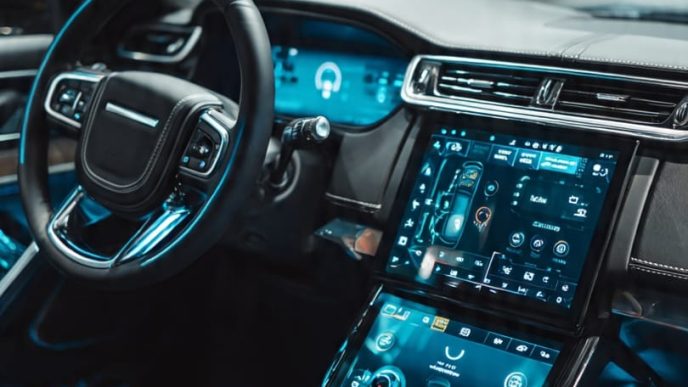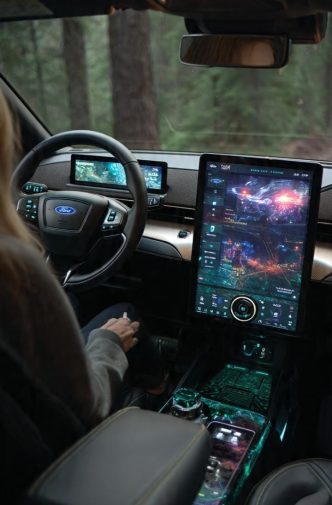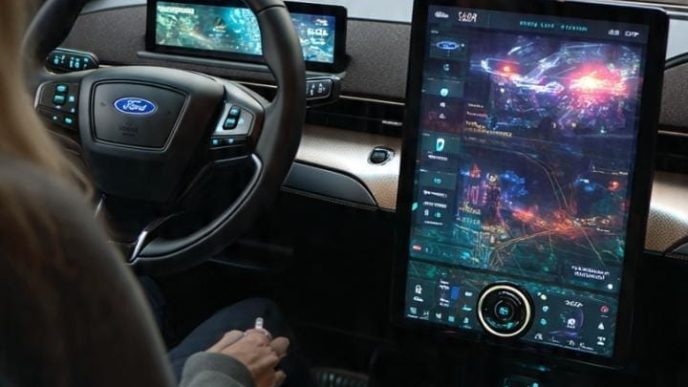
Modern vehicles have evolved into connected digital hubs that do much more than transport people from one destination to another. Advanced connectivity features improve convenience, enhance safety, provide real-time information, and create a more enjoyable driving experience. Whether commuting to work, planning a family road trip, or running daily errands, these technologies help drivers stay informed and connected without sacrificing comfort. As automakers continue to innovate, many new and late-model vehicles now include features that were once considered luxury options. Drivers interested in exploring the latest connected technologies often visit a Ford dealership in Jacksonville, NC to experience these innovations firsthand.
Why Vehicle Connectivity Matters
Connectivity is no longer limited to Bluetooth phone calls. Today’s vehicles communicate with smartphones, cloud-based services, navigation systems, and onboard software to deliver a smarter driving experience. These features simplify everyday tasks, improve access to information, and support safer driving by reducing unnecessary distractions.
Understanding the latest connectivity technologies can help buyers choose a vehicle that better suits their lifestyle and future needs.
1. Wireless Smartphone Integration
One of the most valuable connectivity features available today is wireless smartphone integration.
Many modern vehicles support Apple CarPlay and Android Auto without requiring a USB cable. Once connected, drivers can access navigation apps, music streaming services, phone calls, text messages, and voice assistants directly through the vehicle’s touchscreen.
Wireless connectivity keeps the cabin organized while allowing drivers to stay connected without constantly plugging in their devices. It also makes short trips more convenient since the connection happens automatically.
2. Over-the-Air Software Updates
Software plays a growing role in modern vehicles, and over-the-air (OTA) updates make keeping that software current much easier.
Instead of visiting a dealership for certain software improvements, many vehicles can download updates through a wireless internet connection. These updates may improve infotainment performance, optimize vehicle systems, enhance security, or introduce new features.
OTA updates help ensure vehicles continue improving throughout ownership while reducing the need for service appointments related to software enhancements.
3. Connected Navigation With Real-Time Traffic
Modern navigation systems have become much more intelligent than traditional GPS units.
Connected navigation uses real-time traffic information, road closures, weather conditions, and construction updates to recommend more efficient routes. Some systems can automatically reroute drivers around congestion, reducing travel time and improving fuel efficiency.
Many navigation platforms also display nearby fuel stations, charging locations for electric vehicles, restaurants, parking areas, and other useful points of interest, making road trips easier to plan.
4. Remote Vehicle Access Through Mobile Apps
Smartphone apps now allow drivers to interact with their vehicles even when they are miles away.
Depending on the vehicle, owners may remotely start the engine, lock or unlock the doors, locate the vehicle in a parking lot, check fuel levels or battery charge, and receive maintenance reminders directly from their phone.
These remote features add convenience during everyday use while providing additional peace of mind when managing vehicle security and maintenance.
5. Built-In Wi-Fi Hotspots
Many modern vehicles now include integrated Wi-Fi hotspot capability, turning the cabin into a mobile internet connection.
Passengers can connect laptops, tablets, gaming devices, and smartphones while traveling, making long drives more productive and entertaining. Families especially appreciate this feature during vacations, allowing children to stream educational content or entertainment without relying solely on mobile data.
Business travelers also benefit by staying connected while working remotely from virtually anywhere with network coverage.
Voice Control Improves Convenience
Advanced voice recognition systems continue to improve with artificial intelligence.
Drivers can use natural speech to control navigation, make phone calls, send messages, adjust climate settings, or play music without taking their hands off the steering wheel. Because voice commands reduce the need to interact with touchscreens while driving, they contribute to both convenience and road safety.
Many systems also integrate with popular digital assistants, making vehicle interactions even more intuitive.
Connectivity Supports Vehicle Maintenance
Connected technology isn’t limited to entertainment and navigation.
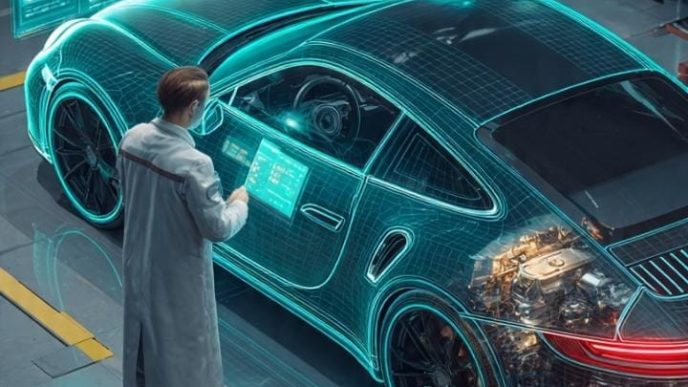
Many vehicles continuously monitor their own performance and notify drivers when maintenance is approaching. Mobile apps can display tire pressure, oil life, battery status, and diagnostic information while also providing service reminders.
Some systems even transmit diagnostic data to service centers, allowing technicians to prepare for repairs before the vehicle arrives. This helps streamline maintenance visits and reduces downtime.
Security and Privacy Considerations
As vehicles become more connected, protecting digital information becomes increasingly important.
Manufacturers incorporate encryption, secure authentication, and regular software updates to help safeguard personal data and connected services. Drivers can further enhance security by using strong account passwords, enabling available security features, and installing software updates when prompted.
Understanding privacy settings also allows owners to manage how vehicle data is collected and shared.
The Future of Connected Driving
Vehicle connectivity continues to evolve rapidly.
Future systems are expected to offer even greater integration with smart homes, wearable devices, and traffic infrastructure. Artificial intelligence may deliver increasingly personalized driving experiences by learning driver preferences, recommending routes based on daily routines, and providing more advanced predictive maintenance.
Vehicle-to-vehicle communication is also expected to improve traffic flow and enhance road safety by allowing nearby vehicles to exchange important information in real time.
Conclusion
Advanced connectivity features have transformed today’s vehicles into intelligent travel companions that enhance convenience, safety, and everyday usability. Wireless smartphone integration, over-the-air software updates, connected navigation, remote vehicle access, and built-in Wi-Fi all contribute to a more seamless driving experience. As automotive technology continues advancing, these connected features will become even more capable, helping drivers stay informed, entertained, and prepared wherever the road leads. Understanding these innovations allows buyers to make informed decisions and enjoy the full benefits of modern automotive technology.