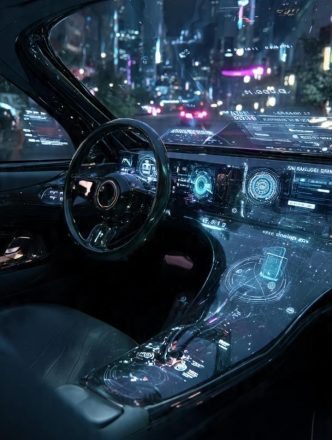
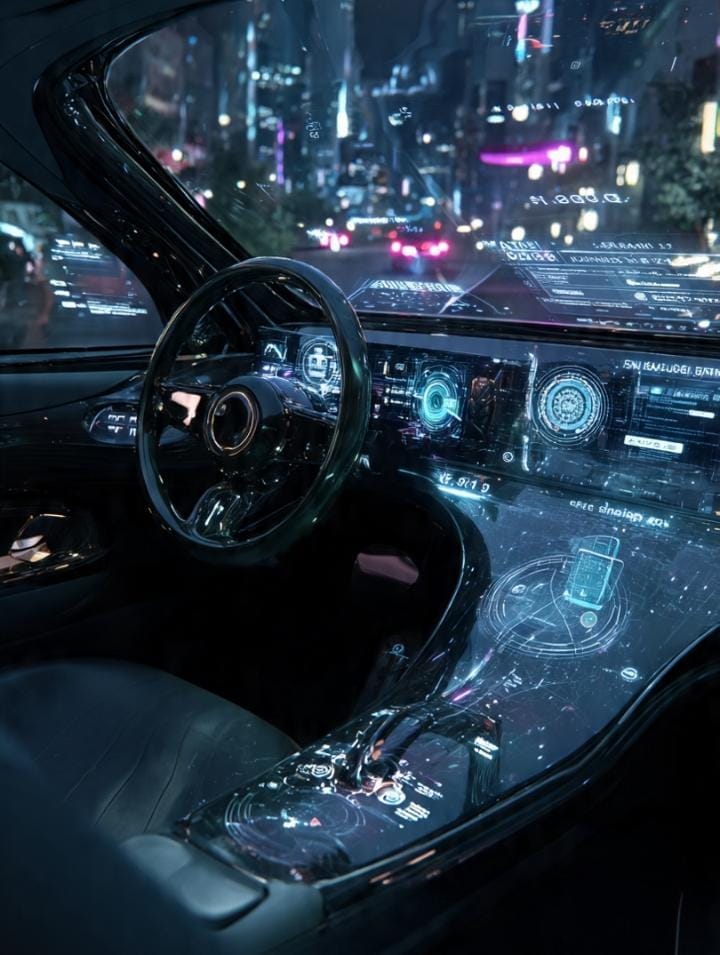
Premium automobiles have long been at the forefront of automotive innovation, introducing technologies that eventually become standard across the industry. One of the most significant advancements has been the development of driver assistance systems, which enhance safety, improve convenience, and make everyday driving more comfortable. From basic cruise control to intelligent systems capable of monitoring traffic, assisting with parking, and helping prevent collisions, these technologies continue to reshape the driving experience. Drivers interested in exploring modern luxury vehicles often begin by visiting the best Alfa Romeo dealership in PA to experience how today’s premium models combine sophisticated performance with advanced driver assistance features.
The Early Days of Driver Assistance
Driver assistance technology began with relatively simple features designed to reduce driver fatigue and improve comfort. Cruise control, introduced decades ago, allowed drivers to maintain a steady speed during long highway trips without continuously pressing the accelerator.
Although basic by today’s standards, this innovation laid the groundwork for more advanced systems. Engineers recognized that electronic technology could assist drivers without replacing them, creating a safer and more enjoyable driving experience.
Over time, manufacturers began incorporating additional electronic safety features into premium vehicles, paving the way for modern intelligent driving systems.
The Rise of Electronic Safety Systems
As automotive electronics became more sophisticated, premium vehicles introduced technologies designed to improve stability and vehicle control.
Anti-lock braking systems (ABS) helped drivers maintain steering control during emergency braking by preventing wheel lockup. Electronic Stability Control (ESC) further enhanced safety by detecting loss of traction and automatically adjusting braking and engine power to help keep the vehicle stable.
These innovations significantly reduced the likelihood of accidents during challenging driving conditions and quickly became essential safety features.
Adaptive Cruise Control Changes Highway Driving
One of the most important advancements in driver assistance technology was adaptive cruise control.
Unlike traditional cruise control, adaptive systems use radar and cameras to monitor traffic ahead. The vehicle automatically adjusts its speed to maintain a safe following distance, slowing down and accelerating as traffic conditions change.
For drivers who frequently travel on highways, this feature reduces fatigue while promoting smoother and more relaxed driving.
Lane Assistance Enhances Driver Awareness
Premium vehicles now commonly feature lane departure warning and lane-keeping assistance systems.
These technologies monitor lane markings using cameras mounted near the windshield. If the vehicle begins drifting without signaling, the system alerts the driver. Some vehicles also provide gentle steering corrections to help guide the vehicle back into its lane.
While drivers remain fully responsible for controlling the vehicle, these features provide valuable support during long trips or moments of distraction.
Automatic Emergency Braking Improves Safety
Automatic emergency braking has become one of the most valuable driver assistance technologies available today.
Using cameras, radar sensors, or both, the system continuously monitors traffic ahead. If it detects an imminent collision and the driver fails to react quickly enough, it can automatically apply the brakes to reduce impact speed or avoid certain collisions entirely.
This technology has proven especially helpful in urban environments where sudden stops and unexpected obstacles are common.
Blind Spot Monitoring Increases Confidence
Changing lanes has become safer thanks to blind spot monitoring systems.
Sensors positioned around the vehicle detect cars traveling alongside or slightly behind where mirrors may not provide complete visibility. If another vehicle occupies the blind spot, warning indicators alert the driver before a lane change.
Many premium vehicles also include rear cross-traffic alerts, which assist drivers when reversing out of parking spaces by detecting approaching vehicles from either direction.
Smarter Parking Assistance
Parking assistance has evolved dramatically over the past decade.
Rearview cameras initially improved visibility when backing up, but modern premium vehicles now offer surround-view camera systems that provide a virtual bird’s-eye view of the vehicle.
Parking sensors detect nearby obstacles, while automated parking systems can assist with steering into parallel or perpendicular parking spaces. These technologies simplify parking in crowded urban environments and help reduce minor collisions.
Driver Monitoring Systems
As driver assistance features become more advanced, manufacturers have also introduced systems that monitor driver attention.
Using cameras and sensors, these technologies detect signs of fatigue or distraction by observing steering behavior, eye movement, or head position. If the system determines that the driver may be losing focus, it provides visual or audible alerts encouraging a break.
This additional layer of awareness contributes to safer long-distance travel.
Artificial Intelligence and Connected Technology
Artificial intelligence is playing an increasingly important role in modern driver assistance systems.
Advanced software can analyze traffic conditions, recognize road signs, identify pedestrians, and adapt vehicle behavior based on changing environments. Connected vehicle technologies also allow certain systems to receive software updates that improve functionality over time.
Navigation systems have become more intelligent as well, offering real-time traffic information, route optimization, and predictive guidance that enhances both convenience and efficiency.
Balancing Technology With Driver Engagement
While driver assistance technology offers impressive benefits, premium automakers continue emphasizing the importance of driver involvement.
These systems are designed to support—not replace—the driver. Maintaining attention, following traffic laws, and remaining prepared to take control at any moment remain essential responsibilities.
Many luxury brands carefully calibrate their assistance features to preserve the enjoyable driving dynamics that enthusiasts expect while still providing meaningful safety enhancements.
The Future of Driver Assistance
The future promises even greater innovation. Improvements in sensor technology, artificial intelligence, and vehicle connectivity will continue expanding the capabilities of driver assistance systems.
Future premium vehicles may communicate with surrounding infrastructure, anticipate hazards earlier, and deliver increasingly personalized driving experiences. Enhanced automation, improved traffic management, and more sophisticated safety systems are expected to make roads even safer while maintaining driver confidence.
As these technologies mature, they will likely become more widely available across all vehicle segments.
Conclusion
Driver assistance technology has transformed premium automobiles from simple means of transportation into intelligent partners on the road. Innovations such as adaptive cruise control, lane-keeping assistance, automatic emergency braking, blind spot monitoring, and advanced parking systems have significantly improved both safety and convenience without diminishing the enjoyment of driving. As technology continues to evolve, premium vehicles will remain at the forefront of automotive innovation, introducing features that enhance driver confidence while preparing the industry for an even smarter and safer future. For today’s drivers, these advancements represent not only greater comfort but also a meaningful step toward more secure and enjoyable journeys.