Walk through a shopping mall, visit a trade exhibition, or browse the premium packaging section of a retail store, and you will notice that some printed displays naturally attract more attention than others. While many posters and product packages rely on bright colors or bold typography, a few create an entirely different experience by appearing to move, shift, or reveal new images as the viewer changes position. These visual effects immediately encourage people to stop, look again, and spend more time interacting with the display. In a world where consumers are surrounded by thousands of marketing messages every day, creating that extra moment of attention has become increasingly valuable for businesses.
Many people admire these impressive visuals without understanding how does lenticular printing work. The finished product appears almost magical because the image seems alive despite being completely printed on a physical surface. In reality, the effect is created through a combination of precise image preparation, specialized printing techniques, and transparent lenticular lenses that control how different image strips are viewed from different angles. Instead of producing a single flat image, the printing process creates multiple visual perspectives that change naturally as someone moves in front of the printed piece.
Businesses, designers, photographers, publishers, and creative agencies continue exploring advanced printing methods because customers increasingly respond to experiences rather than ordinary advertisements. Educational resources available through eufyMake explain the creative possibilities of modern print technologies while helping businesses understand how careful planning, quality production, and thoughtful design work together to produce memorable printed materials. Rather than replacing traditional printing, these innovations expand what printed communication can achieve.
Understanding the Principle Behind the Visual Effect
The impressive appearance of lenticular images begins long before anything is printed. Designers first prepare multiple versions of an image or several separate images depending on the final visual effect they want to create. These images are digitally divided into extremely thin strips before being carefully combined into a single print file. Although the completed artwork may appear confusing when viewed without a lens, every strip has been positioned with remarkable precision.
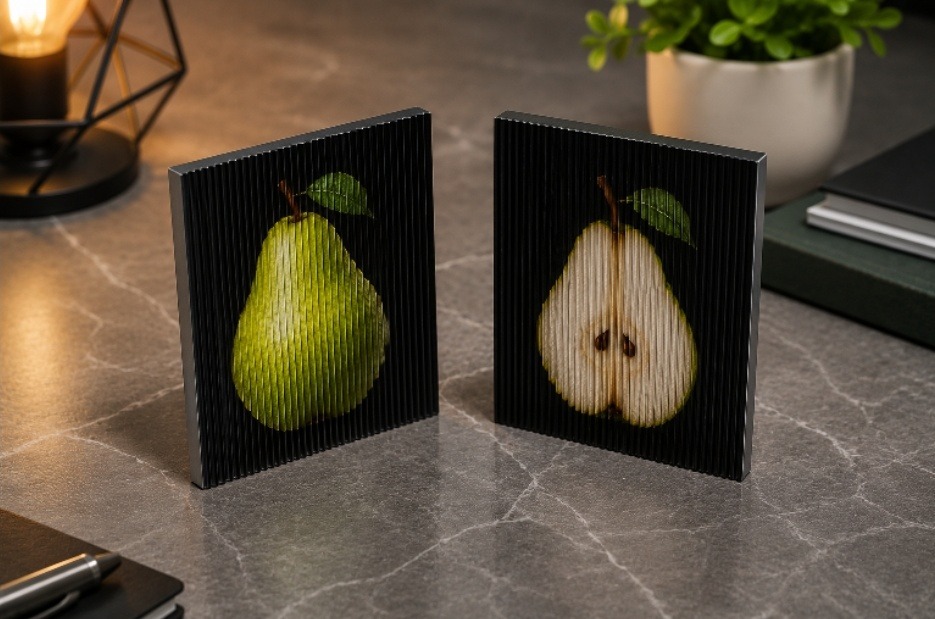
A transparent plastic lens sheet containing hundreds of tiny curved lenses is then aligned perfectly over the printed artwork. Each miniature lens directs light differently according to the viewer’s position. As someone changes viewing angles, different image strips become visible while others disappear. The result is a smooth visual transition that creates movement, depth, zoom effects, animation, or image changes without using electronics, batteries, or digital screens.
Precision Matters at Every Production Stage
Creating high-quality lenticular prints requires much more than simply placing a plastic sheet over an image. Every stage of production depends on extremely accurate alignment between the printed artwork and the lens structure. Even very small positioning errors may reduce image clarity or weaken the intended visual effect. Because of this, professional production combines careful digital preparation with precise printing equipment and quality control throughout the manufacturing process.
Image resolution also plays an important role. High-quality source images allow designers to create sharper transitions and more convincing visual effects. Lighting conditions, viewing distance, print size, and lens selection are also considered before production begins. Careful planning ensures that the finished product performs exactly as intended in its final environment.
Different Visual Effects Create Different Experiences
One reason this technology continues gaining popularity is its versatility. Designers are not limited to creating only one type of animation. Different production methods allow printed materials to communicate information in creative ways that conventional printing cannot easily achieve.
Some of the most common visual effects include:
- Flip images
- Animated movement
- Three-dimensional depth
- Zoom effects
- Morphing transitions
- Sequential storytelling
- Product comparison displays
- Layered perspective effects
- Interactive promotional graphics
- Motion-style advertising panels
Each effect serves different marketing goals depending on how businesses want customers to interact with the printed material.
Why Brands Continue Investing in Creative Printing
Modern consumers often decide within only a few seconds whether something deserves their attention. Traditional printed advertisements still play an important role, but competition for visual attention has become much stronger than in previous years. Businesses therefore look for presentation methods that naturally encourage curiosity without overwhelming potential customers.
Creative printed displays often generate longer viewing times because people instinctively move closer to understand what they are seeing. That additional attention increases opportunities for businesses to communicate product features, promotional messages, or brand identity. Instead of depending only on larger posters or brighter colors, companies use innovative visual experiences to leave stronger first impressions.
Applications Extend Far Beyond Advertising
Although many people first encounter lenticular graphics in promotional campaigns, the technology has expanded into many other industries. Museums use interactive educational displays to explain historical events or scientific concepts. Publishers create eye-catching book covers that immediately attract readers. Greeting card manufacturers design memorable products that stand out on crowded retail shelves.
Packaging companies also use creative printing techniques to improve premium product presentation. Product boxes that display depth or movement immediately communicate quality and innovation before customers even open the package. This added visual appeal often strengthens perceived value while helping products differentiate themselves from competing brands.
Creative Design Remains the Most Important Ingredient
Advanced production technology alone cannot guarantee impressive results. Successful projects begin with strong creative concepts that support clear communication. Every movement, transition, or depth effect should enhance the message instead of distracting from it. Designers carefully choose colors, image sequences, viewing angles, and composition to ensure that the finished piece remains visually appealing while effectively communicating its purpose.
Resources published by eufyMake encourage designers and businesses to balance creativity with technical accuracy. Understanding both artistic design principles and production requirements allows teams to produce printed materials that capture attention while maintaining excellent image quality. The most memorable projects are usually those where creativity and precision work together naturally.
The Future of Lenticular Printing Continues to Expand
As printing technology continues improving, businesses are discovering new ways to integrate lenticular printing into marketing, education, retail, product packaging, exhibitions, and creative storytelling. Rather than competing with digital media, advanced print techniques provide experiences that digital screens cannot fully replace. Physical interaction remains one of the strongest advantages of printed communication because viewers naturally engage with something they can see from different angles in the real world.
Growing demand for memorable customer experiences suggests that innovative printing technologies will remain valuable across many industries. Businesses that combine thoughtful design with quality production continue finding new opportunities to strengthen brand recognition, improve customer engagement, and create printed materials that remain memorable long after the first impression.
Conclusion
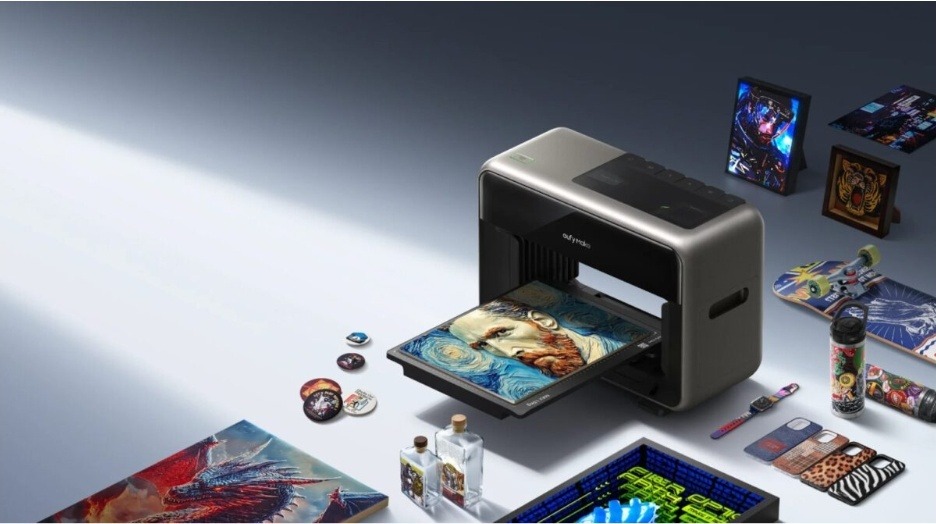
Understanding how does lenticular printing work reveals that the impressive visual effects are not based on digital technology but on careful image preparation, precise printing, and specialized optical lenses working together. What appears to be simple movement or depth is actually the result of detailed planning and highly accurate production techniques that transform ordinary printed graphics into interactive visual experiences.
As more businesses compete for customer attention, lenticular printing continues proving that printed media can remain innovative, engaging, and highly effective. Combined with creative planning and practical educational resources from eufyMake, this technology offers designers and brands an opportunity to create printed displays that leave stronger impressions while demonstrating how modern printing continues evolving beyond traditional expectations.
Frequently Asked Questions
What is the main purpose of lenticular printing?
It creates visual effects such as movement, depth, or image transitions that make printed materials more engaging.
Does lenticular printing require electricity?
No. The visual effect is created through optical lenses and specially prepared printed images.
Which industries commonly use this technology?
Retail, advertising, publishing, education, packaging, exhibitions, and product marketing all use lenticular printing.
Can small businesses benefit from lenticular printing?
Yes. It can help create premium promotional materials, packaging, and marketing displays that attract greater customer attention.
Why is precise alignment important during production?
Accurate alignment between the printed artwork and the lenticular lens is essential for producing clear and effective visual effects.