Pests don’t ask for permission. One season, your lawn looks pristine. Next, you’re noticing chewed foliage, soft spots in your turf, and trails of damage spreading across what used to be your pride and joy. Grubs, chinch bugs, armyworms, ants—they’re relentless, and they work fast.
Pest infestations are one of the most frustrating challenges a homeowner faces. Not because pests are impossible to handle, but because most homeowners don’t realize the damage is happening until it’s already widespread. By the time the brown patches appear, or the soil starts to feel hollow underfoot, the infestation has usually been building for weeks.
That’s where professional pest control services make all the difference.
Why DIY Pest Control Falls Short
Walk into any home improvement store, and you’ll find shelves lined with sprays, granules, and traps. They’re accessible, affordable, and—let’s be honest—mostly ineffective for serious infestations.
Here’s the problem: over-the-counter products target surface-level pest activity. They don’t account for the species causing the damage, the severity of the infestation, or the specific conditions of your lawn. Apply the wrong treatment, and you might kill off beneficial insects while the actual culprits continue feeding underground.
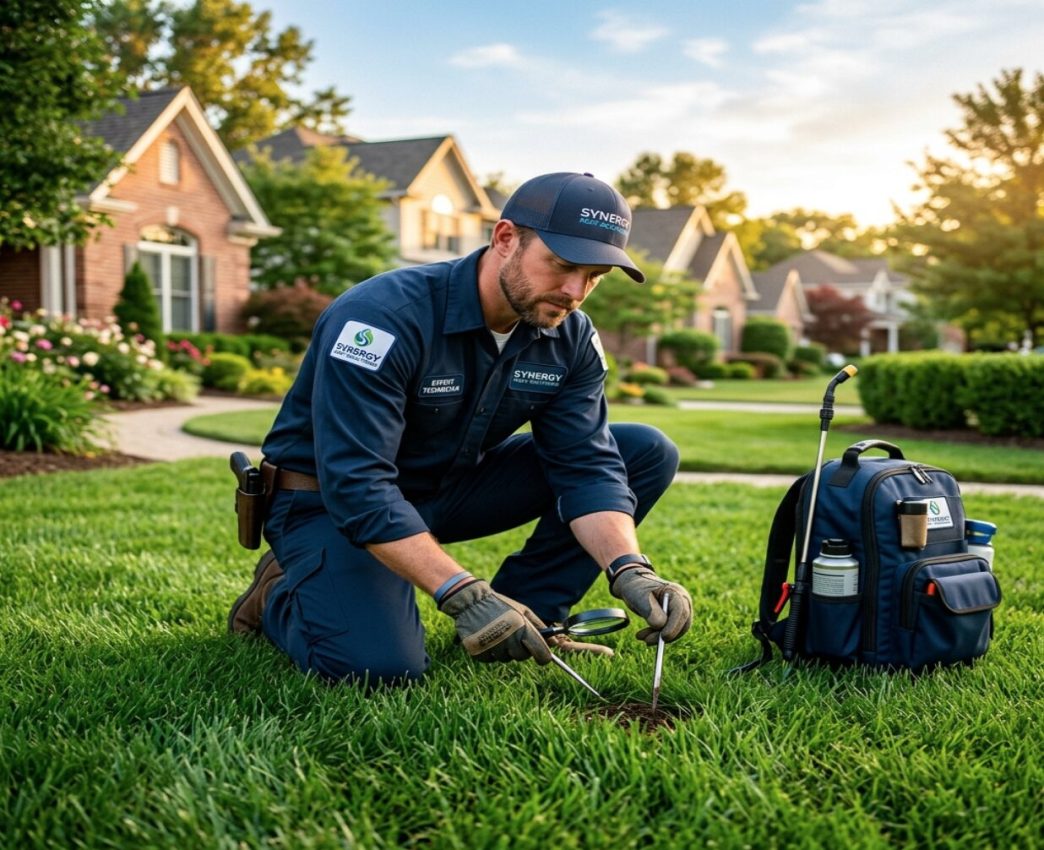
Professionals approach pest control differently. They start with a proper assessment—identifying which pests are present, where they’re concentrated, and what conditions allowed them to thrive in the first place. From there, they apply targeted treatments that address the problem at the source, not just the symptoms.
What Professional Pest Control Actually Covers
Many homeowners assume pest control is only about bugs indoors. But lawn pest control is an entirely separate discipline—and a critical one.
Soil-Dwelling Pests
Grubs are among the most destructive lawn pests in North America. These white larvae feed on grass roots beneath the soil surface, severing the plant’s ability to absorb water and nutrients. A heavily infested lawn will literally lift like a carpet when you tug at it. Professional grub treatments are applied at the right time in the pest’s lifecycle, dramatically increasing their effectiveness.
Surface Feeders
Chinch bugs, sod webworms, and armyworms feed on grass blades and thatch at the surface level. They’re fast-moving, reproduce quickly, and can devastate large areas of turf in a matter of days during hot, dry weather. Spotting these early—and treating them with precision—is something professionals are trained to do efficiently.
Biting and Nuisance Insects
Mosquitoes, ticks, and fleas don’t just ruin outdoor activities—they pose real health risks. Tick-borne illnesses like Lyme disease are on the rise across the United States, and reducing tick populations in your yard is a meaningful protective step for your family and pets. Professional barrier treatments create a buffer zone around your property, keeping these insects out of the spaces you use most.
The Real Cost of Ignoring a Pest Problem
Pest control services that eliminate infestations early—before root damage becomes irreversible—can save homeowners thousands of dollars in lawn restoration costs and protect the long-term investment they’ve made in their property’s curb appeal and health.
Replacing damaged turf isn’t cheap. Depending on the extent of the damage, homeowners can spend anywhere from a few hundred to several thousand dollars on re-sodding or reseeding affected areas. And even then, without resolving the underlying pest issue, reinfestation is almost guaranteed.
Early intervention changes everything. A professional assessment in spring can identify pest pressure before visible damage begins, allowing for preventative treatments that keep populations under control throughout the growing season.
How Integrated Pest Management Works
Modern pest control isn’t just about spraying chemicals and hoping for the best. Leading pest control providers use an approach called Integrated Pest Management (IPM)—a method that combines biological knowledge, environmental awareness, and targeted treatments to manage pests sustainably.
IPM typically involves:
- Monitoring and identification: Regular inspection to track pest populations and catch problems early
- Threshold-based treatment: Treating only when pest levels reach a point where damage becomes likely, rather than on a blanket schedule
- Targeted applications: Using the right product, at the right concentration, at the right time—minimizing environmental impact while maximizing effectiveness
- Preventative strategies: Improving lawn health to reduce conditions that attract and sustain pest populations
This approach delivers better results with fewer unnecessary chemical applications—a win for your lawn, your family, and the surrounding environment.
Seasonal Timing Matters More Than Most People Think
One of the biggest advantages of working with professionals is their understanding of pest life cycles. Timing is everything in pest control.
Grub treatments, for example, are most effective when applied in late spring or early summer, just as eggs hatch and larvae are small and close to the surface. Wait until fall, when grubs are larger and deeper in the soil, and the same product yields far weaker results.
The same logic applies to mosquito barrier treatments, tick control, and surface-feeding insect management. Professionals know when to act and adjust their approach based on local pest activity, weather patterns, and the specific conditions of your lawn.
What Sets a Quality Pest Control Service Apart
Not all pest control services are created equal. When evaluating providers, look for:
- Licensed and certified technicians: Pest control applicators should be licensed by their state and trained in safe, effective treatment methods
- Customized treatment plans: Cookie-cutter approaches rarely work. Your lawn’s pest pressure, grass type, and local environment all matter
- Transparent communication: Good providers explain what they’re applying, why, and what results to expect
- Follow-up care: A single treatment often isn’t enough. Ongoing monitoring and follow-up applications are part of a complete program
Protecting What You’ve Built
Your lawn is an extension of your home. It’s where kids play, where you host friends, and where curb appeal either adds or subtracts from your property’s value. Letting pests go unchecked isn’t just an aesthetic issue—it’s a financial one.
Professional pest control is one of the smartest investments a homeowner can make in their outdoor space. The damage pests cause accumulates quietly and quickly, but the right team can stop it in its tracks and keep your lawn healthy through every season.
Don’t wait for the brown patches to spread. A proactive approach to pest management keeps your lawn looking its best—and keeps the pests where they belong: out of your yard.
Frequently Asked Questions
How do I know if my lawn has a pest problem?
Common signs include irregular brown or dead patches, spongy turf, increased bird activity on your lawn (birds often feed on grubs), and visible insects on grass blades. If you notice any of these, a professional inspection can confirm whether pests are the cause.
When is the best time of year to schedule pest control?
Spring is the ideal time to start, as many pest lifecycles begin with egg-laying in early warm months. However, pest control can be performed throughout the growing season depending on the type of pest and the level of infestation.
Is professional pest control safe for children and pets?
Reputable pest control providers use EPA-registered products and follow safety protocols to minimize risk. Once treated areas have dried or the recommended re-entry time has passed, they are generally safe for children and pets.
How long does it take to see results after treatment?
This varies by pest type and treatment method. Some surface-feeding insects are controlled within days, while grub treatments may take a few weeks to show full results as the product works through the soil.