Fleet management has evolved significantly in recent years as businesses look for smarter ways to improve efficiency, reduce costs, and stay competitive. One of the most important technologies driving this shift is telematics. By combining telecommunications and data analytics, telematics systems for fleet management provide real-time insights that help businesses make better decisions and optimize their operations.
Understanding Telematics in Fleet Management
Telematics refers to the use of GPS technology, onboard diagnostics, and wireless communication to monitor and manage vehicles. These systems collect and transmit data about vehicle location, performance, and driver behavior, giving fleet managers a comprehensive view of their operations.
Telematics systems for fleet management go far beyond simple tracking. They provide actionable insights that can be used to improve efficiency, enhance safety, and reduce operational costs. For businesses that rely on transportation, this level of visibility is essential.
How Telematics Systems Work
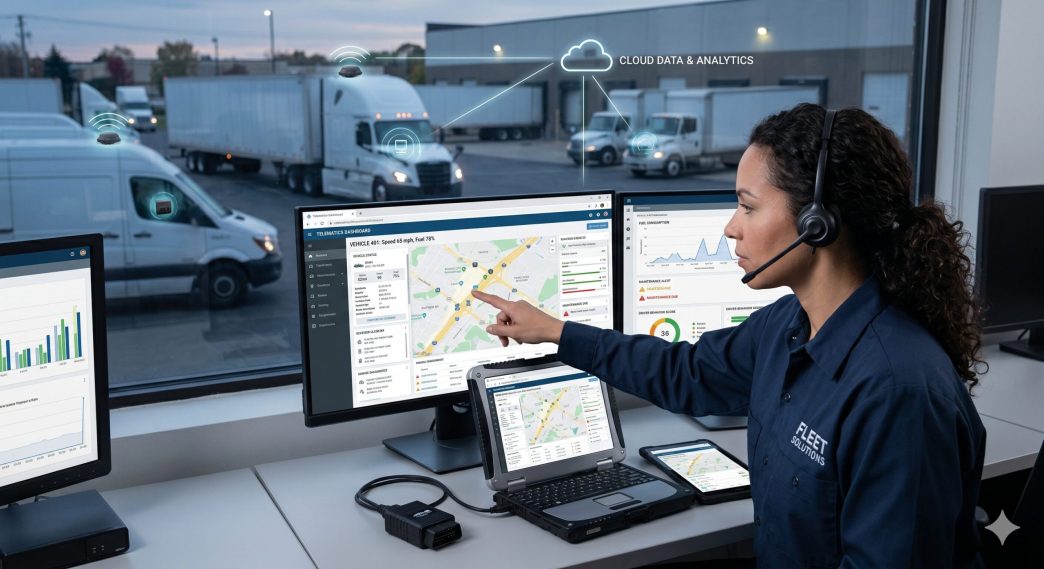
At the core of a telematics system is a device installed in each vehicle. This device connects to the vehicle’s onboard computer and gathers data such as speed, engine performance, fuel consumption, and location. The information is then transmitted to a centralized platform where it can be accessed and analyzed.
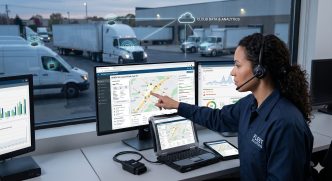
Fleet managers can view this data through dashboards that display real-time updates and historical reports. This allows them to monitor operations as they happen and identify trends over time. The ability to access accurate data instantly is one of the biggest advantages of telematics systems for fleet management.
Key Features Businesses Should Know
Telematics systems offer a wide range of features designed to improve fleet performance. One of the most important is real-time GPS tracking, which allows businesses to see exactly where their vehicles are at any given moment.
Another critical feature is driver behavior monitoring. This includes tracking speed, braking patterns, acceleration, and idle time. By analyzing this data, businesses can identify unsafe or inefficient driving habits and take steps to correct them.
Maintenance tracking is also a key component. Telematics systems can monitor vehicle health and alert managers when service is needed. This helps prevent breakdowns and extends the lifespan of vehicles.
Additional features often include route optimization, fuel usage tracking, and geofencing capabilities that send alerts when vehicles enter or leave specific areas.
Benefits of Improved Operational Efficiency
One of the primary reasons businesses invest in telematics systems for fleet management is to improve efficiency. By having access to real-time data, managers can optimize routes, reduce idle time, and ensure that vehicles are being used effectively.
For example, route optimization helps drivers avoid traffic and take the most efficient paths to their destinations. This not only saves time but also reduces fuel consumption. Over time, these improvements lead to faster service and lower operating costs.
Efficiency gains also allow businesses to handle more work with the same number of vehicles, increasing overall productivity.
Reducing Fuel Costs and Waste
Fuel expenses are a major concern for any fleet-based business. Even small inefficiencies can add up quickly when multiplied across multiple vehicles.
Telematics systems provide detailed insights into fuel usage, allowing businesses to identify areas where waste can be reduced. Managers can monitor idle time, track fuel consumption, and ensure that drivers are following efficient routes.
By addressing these factors, businesses can significantly lower fuel costs. This not only improves profitability but also supports more sustainable operations.
Enhancing Driver Safety and Accountability
Safety is a top priority for fleet operators. Accidents can lead to injuries, legal issues, and increased insurance costs. Telematics systems help improve safety by providing detailed information about driver behavior.
Managers can receive alerts for risky actions such as speeding, harsh braking, or rapid acceleration. This data can be used to coach drivers and promote safer habits. Over time, this leads to fewer accidents and a safer work environment.
Accountability is another important benefit. When drivers know their behavior is being monitored, they are more likely to follow company policies and drive responsibly.
Supporting Preventive Maintenance
Vehicle maintenance is essential for keeping fleets running smoothly. Unexpected breakdowns can disrupt operations and result in costly repairs.
Telematics systems for fleet management make it easier to stay on top of maintenance by tracking vehicle usage and performance. Alerts can be set for routine service tasks such as oil changes or tire rotations.
By addressing maintenance needs proactively, businesses can reduce downtime and extend the lifespan of their vehicles. This leads to more reliable operations and lower long-term costs.
Improving Customer Service
Customer expectations are higher than ever, and timely service is critical for maintaining satisfaction. Telematics systems help businesses meet these expectations by providing accurate, real-time information.
Managers can track vehicle locations and provide customers with precise delivery or arrival times. If delays occur, they can quickly adjust schedules or notify customers in advance.
This level of transparency improves communication and builds trust, giving businesses a competitive edge.
Leveraging Data for Better Decision Making
Data is one of the most valuable assets a business can have, and telematics systems generate a wealth of it. From vehicle performance to driver behavior, every aspect of fleet operations can be analyzed.
Businesses can use this data to identify trends, measure performance, and make informed decisions. For example, they can determine which routes are most efficient, which vehicles require frequent maintenance, and which drivers need additional training. When driver performance data highlights skill gaps or unsafe habits, businesses can take proactive steps to address them. Investing in HGV training ensures that drivers are equipped with the knowledge and expertise to operate large vehicles safely and in compliance with regulations. This not only reduces the risk of accidents and penalties but can also lead to measurable improvements in fuel efficiency and vehicle wear.
This data-driven approach allows companies to continuously improve their operations and adapt to changing conditions.
Integration With Other Business Systems
Modern telematics systems are designed to integrate with other business tools such as dispatch software, accounting systems, and customer management platforms. This creates a more connected and efficient workflow.
For example, integrating telematics with dispatch systems allows for better coordination between drivers and office staff. Information can be shared in real time, reducing delays and improving communication.
These integrations help streamline operations and ensure that all parts of the business are working together effectively.
Choosing the Right Telematics Solution
Not all telematics systems are the same, so it is important for businesses to choose a solution that meets their specific needs. Factors to consider include the size of the fleet, the type of vehicles, and the features required.
Ease of use is also important. A system that is difficult to navigate can limit its effectiveness. Businesses should look for platforms with intuitive interfaces and strong customer support.
Cost is another consideration, but it should be weighed against the potential savings and benefits. In many cases, the return on investment from telematics systems for fleet management far outweighs the initial expense.
Challenges to Consider
While telematics offers many benefits, there are also challenges to keep in mind. One common concern is data privacy. Businesses need to ensure that they are collecting and using data responsibly and in compliance with regulations.
Another challenge is employee acceptance. Some drivers may be hesitant about being monitored. Clear communication about the purpose and benefits of the system can help address these concerns.
Implementation can also require time and training. Businesses should be prepared to invest in onboarding and education to ensure that the system is used effectively.
The Future of Fleet Telematics
The future of telematics is closely tied to advancements in technology such as artificial intelligence, machine learning, and the Internet of Things. These innovations are making telematics systems even more powerful and capable.
In the coming years, businesses can expect more advanced analytics, predictive maintenance capabilities, and greater automation. These developments will further enhance the value of telematics systems for fleet management.
Companies that adopt these technologies early will be better positioned to stay competitive and adapt to changing industry demands.
Conclusion
Telematics systems are transforming fleet management by providing the data and insights businesses need to operate more efficiently and effectively. From reducing costs and improving safety to enhancing customer service and supporting growth, the benefits are substantial.
Telematics systems for fleet management are no longer optional for businesses that rely on transportation. They are a critical tool for staying competitive in an increasingly demanding market.
By understanding how these systems work and choosing the right solution, businesses can unlock new opportunities for efficiency, profitability, and long-term success.