Electric vehicles are becoming increasingly common across the United States, and many homeowners are exploring the convenience of charging their vehicles at home. One of the first questions people ask is simple: how much does it actually cost to install a charger? The answer depends on several factors, from the type of charger you choose to the condition of your electrical system. Understanding the full picture can help you budget more accurately and avoid surprises. This guide breaks down everything you need to know about EV charger installation cost, including equipment, labor, and long-term savings.
Understanding the Different Types of EV Chargers
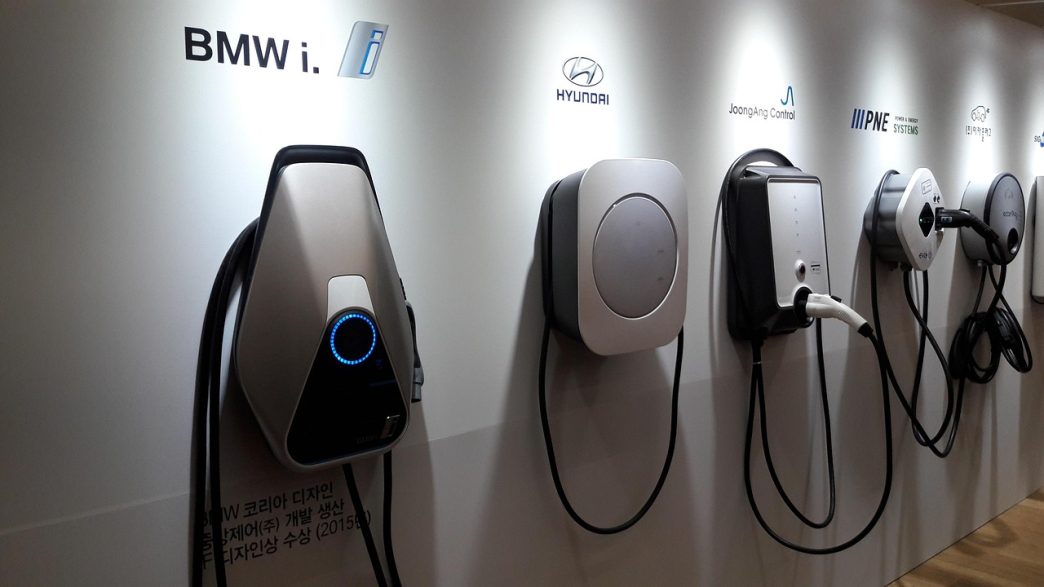
Before diving into costs, it is important to understand the types of chargers available. The most common options for residential use are Level 1 and Level 2 chargers. Level 1 chargers use a standard 120-volt outlet and typically come with your electric vehicle. They are inexpensive because they require little to no installation, but they charge slowly and may not meet the needs of daily drivers. Level 2 chargers operate on a 240-volt circuit, similar to a dryer or oven. They charge much faster and are the preferred option for most homeowners. Because they require dedicated wiring and sometimes panel upgrades, they have a higher upfront EV charger installation cost.
Average EV Charger Installation Cost
The total EV charger installation cost typically ranges from $800 to $2,500 for most homes. This estimate includes both the charger unit and professional installation. On the lower end, you might pay around $800 if your electrical panel is already equipped to handle the charger and the installation is straightforward. On the higher end, costs can exceed $3,000 if significant electrical work is required. These numbers can vary depending on your location, labor rates, and the complexity of your setup. In areas with higher labor costs, such as major metropolitan regions, installation may be more expensive.
Cost of the Charger Equipment
The charger itself is a significant portion of the total expense. Level 2 chargers typically cost between $400 and $1,200, depending on features and brand. Basic models provide reliable charging without extras, while premium units may include Wi Fi connectivity, mobile app integration, and energy monitoring tools. Although it can be tempting to choose the least expensive option, investing in a higher-quality charger can improve durability and performance over time. When calculating your EV charger installation cost, it is wise to consider both the upfront price and long-term value.
Installation Labor Costs
Labor is another major factor in determining your overall cost. Electricians generally charge between $50 and $150 per hour, and most installations take two to five hours to complete. A simple installation where the charger is placed near the electrical panel will cost less than a complex setup requiring long wiring runs or wall modifications. If your garage is detached or far from the panel, labor costs can increase significantly due to additional materials and time. Professional installation is highly recommended to ensure safety and compliance with local codes.
Electrical Panel Upgrades
One of the biggest variables in EV charger installation cost is whether your electrical panel needs an upgrade. Many older homes were not designed to handle the additional load of an EV charger. If your panel lacks sufficient capacity, you may need to upgrade to a higher amperage system. Panel upgrades can cost anywhere from $1,000 to $3,000 or more, depending on the complexity of the work. While this adds to your initial investment, it also improves your home’s electrical capacity and can increase property value.
Permits and Inspection Fees
In many areas, installing an EV charger requires permits and inspections. Permit fees typically range from $50 to $300, depending on your local municipality. Inspections ensure that the installation meets safety standards and electrical codes. Although these costs may seem minor compared to equipment and labor, they are an important part of the total EV charger installation cost. Skipping permits can lead to fines or complications when selling your home, so it is best to follow proper procedures.
Additional Costs to Consider
There are several additional factors that can influence your total expense. For example, trenching may be required if you are installing a charger in a detached garage or outdoor location. This can add several hundred to a few thousand dollars to the project. Upgrading outlets, installing new circuits, or adding surge protection can also increase costs. In some cases, homeowners choose to install smart home integrations or energy management systems alongside their charger, which can further raise the total EV charger installation cost.
Rebates and Tax Incentives
The good news is that there are often financial incentives available to offset installation costs. Federal tax credits may cover a portion of your EV charger installation cost, typically up to 30 percent with a maximum limit. Many states and utility companies also offer rebates for purchasing and installing home chargers. These incentives can significantly reduce your out-of-pocket expenses. It is worth checking with your local utility provider and government programs to see what options are available in your area.
Long-Term Savings and Benefits
While the upfront cost of installation can seem high, it is important to consider the long-term benefits. Charging at home is usually much cheaper than using public charging stations, especially if you take advantage of off-peak electricity rates. Over time, these savings can offset your initial investment. Additionally, having a home charger adds convenience and eliminates the need to rely on public infrastructure. Many homeowners also find that installing an EV charger increases the appeal and value of their property.
DIY vs Professional Installation
Some homeowners consider installing an EV charger themselves to save money. While this may be feasible for those with electrical experience, it is generally not recommended for most people. Improper installation can lead to safety hazards, including electrical fires or equipment damage. Hiring a licensed electrician ensures that the work is done correctly and meets all local codes. Although professional installation adds to your EV charger installation cost, it provides peace of mind and reduces the risk of costly mistakes.
Tips to Reduce Installation Costs
There are several ways to keep your EV charger installation cost manageable. First, choose a charger that matches your needs without unnecessary features. Second, install the charger close to your electrical panel to minimize wiring costs. Third, get multiple quotes from licensed electricians to find competitive pricing. Finally, take advantage of available rebates and incentives to reduce your overall expense. Planning ahead and understanding your options can help you make cost-effective decisions.
Final Thoughts
The cost to install an EV charger at home can vary widely depending on your specific situation, but most homeowners can expect to spend between $800 and $2,500. Factors such as equipment choice, labor, electrical upgrades, and permits all contribute to determining the final price. While the upfront investment may seem significant, the convenience and long-term savings make it a worthwhile upgrade for many EV owners. By understanding the components that influence EV charger installation cost, you can plan your project with confidence and enjoy the benefits of charging your vehicle at home.