Modernizing technology is essential for long-term success, but many organizations hesitate due to the risk of operational disruption. Balancing innovation with stability requires a structured approach that aligns new systems with existing processes. The goal is to enhance efficiency without interrupting the daily flow of business activities.
Assessing the Current IT Environment
A successful modernization effort starts with understanding the current state of technology and operations. This includes evaluating hardware, software, network infrastructure, and data management practices. Identifying outdated systems and performance bottlenecks helps determine what should be replaced or upgraded first.
Organizations benefit from establishing clear benchmarks for system performance and user satisfaction. These benchmarks guide decisions and measure progress once modernization begins.
Building a Realistic Modernization Roadmap
A well-structured roadmap helps manage change in stages. Instead of attempting an entire transformation at once, businesses can prioritize projects by impact and complexity. This phased approach minimizes risk and ensures that improvements are sustainable.
- Start with low-risk upgrades that provide immediate benefits.
- Develop timelines that avoid peak operational periods.
- Include milestones to track progress and adjust plans as needed.
Engaging a reliable IT consulting service can help design a roadmap that fits both budget and business goals. Experienced consultants bring insights from similar projects, reducing trial-and-error and improving long-term outcomes.
Ensuring Operational Continuity During Upgrades
Maintaining uptime while upgrading systems requires careful coordination. Backup and recovery plans are vital safeguards. Testing these plans before implementation ensures that critical data remains secure during transitions.
Many organizations use parallel systems during deployment to maintain operations while testing new technology. This approach provides a safety net, allowing issues to be resolved without impacting daily tasks.
Integrating New Technologies Seamlessly
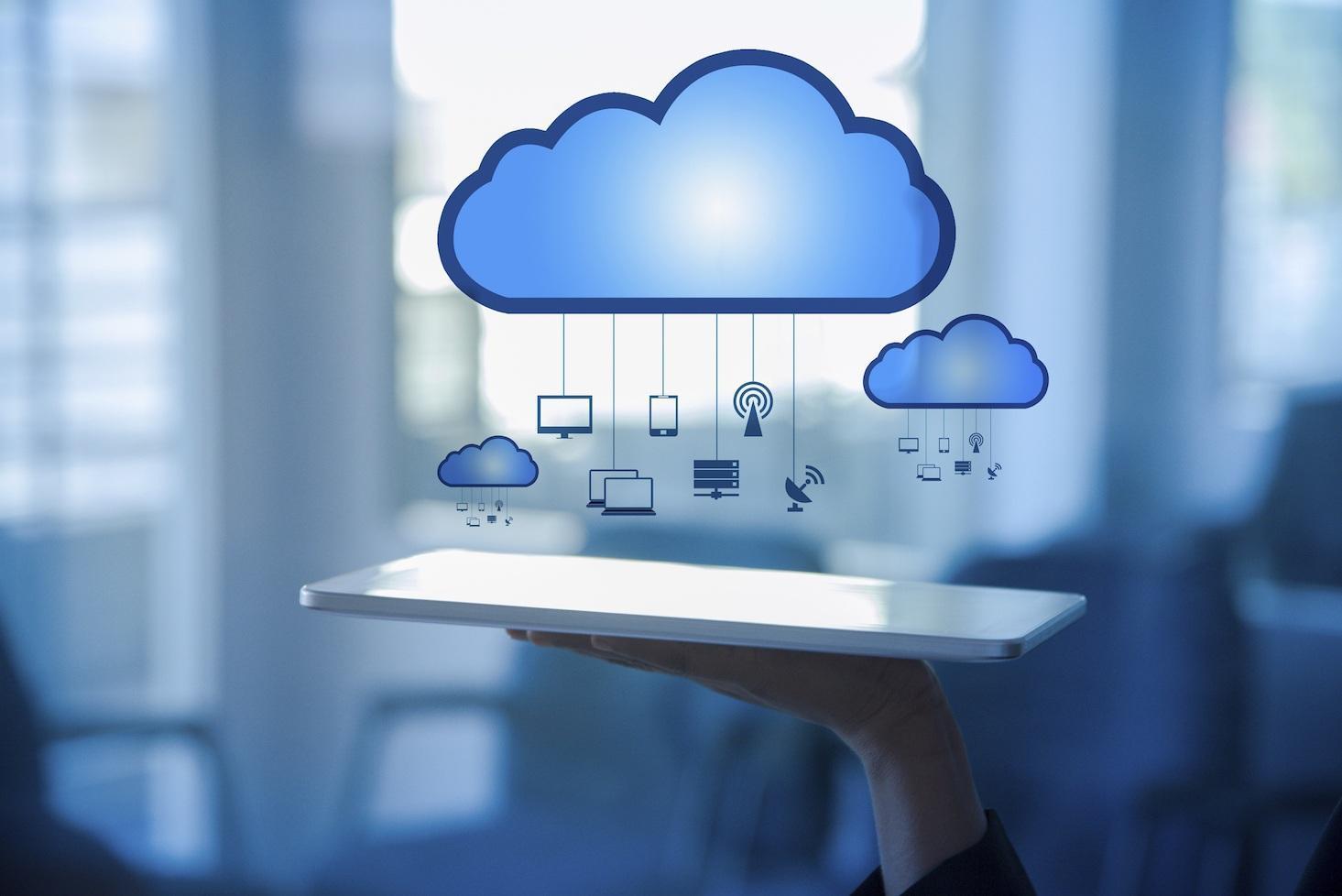
Modern tools such as cloud platforms, data analytics solutions, and collaboration software can significantly improve performance. However, success depends on integration rather than mere adoption. Compatibility between new and existing systems prevents workflow disruptions and data inconsistencies.
Employee training is equally important. When teams understand how to use modern tools effectively, technology becomes an enabler rather than an obstacle.
Aligning Technology with Business Strategy
Modernization is not just a technical project; it is a strategic one. Aligning technology decisions with business objectives ensures that every upgrade supports measurable outcomes such as productivity, customer satisfaction, or cost savings.
Leaders should revisit their goals regularly to confirm that technology investments remain aligned with changing market conditions. This continuous alignment strengthens resilience and competitiveness.
Leveraging Strategic Guidance for Continuous Improvement
Once modernization begins, continuous evaluation helps maintain momentum. Regular assessments identify emerging needs and opportunities for further enhancement. Even small improvements, when applied consistently, can yield significant long-term benefits.
Working with an experienced partner in IT strategy and consulting provides valuable perspective on emerging trends and best practices. This guidance helps organizations evolve at a manageable pace, ensuring that modernization supports growth without disrupting operations.