Winter weather in rural Arizona can create unexpected challenges for homeowners, especially when freezing temperatures, snow, ice, or strong winds interrupt electrical service. In more remote communities, outages may also take longer to resolve because utility crews have greater distances to cover and fewer access points. That makes reliable backup power an important part of power outage prep in Arizona.
Two of the most common options are standby generators and home battery backup systems. Both can keep essential appliances and systems running during an outage, but they work in very different ways. Understanding the advantages, limitations, costs, and maintenance requirements of each can help rural Arizona homeowners choose the right solution.
Why Winter Power Outages Can Be a Bigger Problem in Rural Arizona
Arizona is often associated with desert heat, but many rural and higher-elevation communities experience cold winters. Areas such as Snowflake, Show Low, Heber-Overgaard, and other northern or eastern Arizona communities can see freezing temperatures, snowfall, and winter storms. When power goes out during cold weather, the loss of electricity can quickly become more serious than an inconvenience.
A winter outage may interrupt heating equipment, well pumps, refrigerators, freezers, medical devices, internet service, lighting, and communications. Homes that depend on electric heat or electrically powered furnace components can lose indoor warmth rapidly. Rural properties that rely on private wells may also lose access to running water when the pump cannot operate.
These risks make backup power planning especially important. Homeowners should think about which systems are essential, how long outages commonly last in their area, and how much electricity they realistically need during an emergency.
How Standby Generators Work
A standby generator is permanently installed outside the home and connected to the electrical system. When utility power fails, an automatic transfer switch can detect the outage and start the generator. Depending on its capacity, the system may power selected circuits or most of the home.
Standby generators commonly operate on propane or natural gas. In many rural Arizona communities, propane is especially practical because natural gas service may not be available. A properly sized propane tank can provide backup power for an extended outage, depending on generator load and fuel consumption.
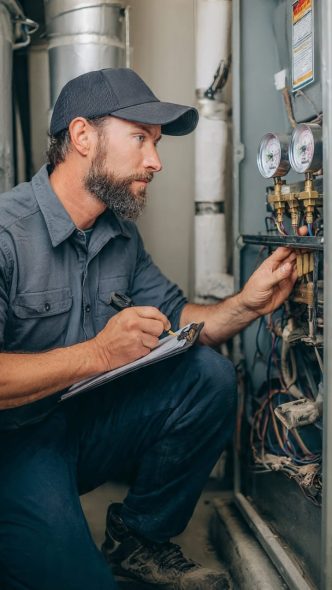
Homeowners considering generator installation in Snowflake, AZ, should work with qualified professionals who can evaluate electrical demand, fuel availability, placement, ventilation, and local installation requirements. Proper sizing is particularly important because an undersized generator may not support essential equipment, while an unnecessarily large unit may cost more to purchase and operate.
Advantages of a Generator for Rural Homes
Generators are a popular choice for rural properties because they can provide substantial amounts of electricity for long periods. As long as the generator has an adequate fuel supply, it can continue operating throughout a multi-day outage. This makes generators especially attractive in locations where winter storms may disrupt utility service for extended periods.
Important generator benefits include:
- Ability to power high-demand appliances and equipment
- Extended runtime with sufficient fuel
- Automatic startup with many standby systems
- Compatibility with well pumps and HVAC equipment
- Reliable operation during nighttime or cloudy weather
- Options for partial-home or whole-home backup
A generator can be particularly useful for homes with electric well pumps, large heating systems, freezers, livestock-related equipment, or other essential electrical loads. For some rural homeowners, having enough power to maintain normal household functions may be more important than minimizing fuel use.
Generator Limitations to Consider
Generators also come with responsibilities and ongoing costs. Because they rely on combustion, they require fuel, ventilation, routine maintenance, and safe installation. Engines must also be serviced periodically to remain dependable when an outage occurs.
Noise can be another consideration. Modern standby generators are designed to reduce operating noise, but they are still generally louder than battery systems. Homeowners should consider generator placement carefully to minimize disturbance while maintaining proper clearance and airflow.
Fuel storage is another important issue in rural areas. A propane generator requires an appropriately sized tank, and homeowners should ensure their fuel supply is sufficient before winter storms arrive. Regularly checking fuel levels should become part of seasonal power outage prep in Arizona.
How Home Battery Backup Systems Work
Battery backup systems store electricity for later use. They can be charged by the utility grid, a solar energy system, or a combination of both. When the grid goes down, the battery automatically supplies electricity to designated circuits or, depending on system size, much of the home.
Unlike generators, batteries do not require fuel combustion during operation. They are generally quiet, require relatively little routine maintenance, and can transition to backup power almost instantly. These qualities make batteries attractive to homeowners looking for a low-maintenance solution.
Battery capacity is measured in kilowatt-hours, which represents the amount of stored energy available. Runtime depends on how much electricity the household uses during the outage. Conserving power by limiting large appliances can significantly extend battery backup time.
Advantages of Battery Backup
Battery systems offer several benefits for homeowners who prioritize quiet operation and energy efficiency. They are particularly effective when paired with solar panels because solar production may be able to recharge the battery during a prolonged outage. This can reduce reliance on stored fuel.
Common advantages include:
- Quiet operation
- No onsite fuel combustion
- Fast transition when utility power fails
- Minimal routine maintenance
- Compatibility with residential solar systems
- Ability to manage energy use during normal utility operation
Battery systems can also help homeowners use stored solar energy after sunset or during peak electricity periods. This means the equipment may provide value even when there is no outage.
Battery Backup Limitations
The biggest limitation of a battery system is stored energy capacity. Once the battery is depleted, it must be recharged before it can provide additional electricity. During prolonged winter storms, solar production may also be reduced by cloud cover or snow accumulation.
High-demand equipment can drain battery capacity quickly. Electric resistance heaters, large HVAC systems, electric water heaters, well pumps, and other heavy loads may require larger battery installations. Homeowners should calculate expected energy demand before deciding how much storage they need.
Battery systems may also have a higher initial cost when significant storage capacity is required. A small battery may be sufficient for lighting, refrigeration, internet, and essential electronics, but powering an entire rural home for several days can require multiple battery units.
Generator vs. Battery Backup: Which Is Better?
There is no single solution that works best for every rural Arizona household. A generator may be more practical when homeowners need sustained power for heavy electrical loads or when outages regularly last many hours or several days. Battery systems may be better suited to households that value quiet operation, have solar panels, and can carefully manage electricity usage.
Some key differences include:
- Runtime: Generators can operate as long as fuel remains available, while batteries are limited by stored energy.
- Fuel: Generators require propane, natural gas, gasoline, or diesel depending on the system. Batteries store electricity.
- Noise: Batteries are generally much quieter.
- Maintenance: Generators require engine maintenance, while batteries usually require less routine service.
- Heavy loads: Generators often handle large appliances more easily.
- Solar integration: Batteries can work especially well with residential solar systems.
Homeowners should base the decision on actual household needs rather than simply choosing the system with the highest advertised capacity. Understanding which appliances must remain operational is the best starting point.
Could a Generator and Battery Work Together?
For some rural homeowners, a hybrid approach offers the strongest level of preparedness. A battery can provide immediate, quiet power during short outages, while a generator can take over when battery capacity begins to run low. This arrangement can reduce generator runtime and fuel consumption.
Homes with solar panels may gain even more flexibility. Solar energy can recharge the battery during daylight hours, while a generator remains available as a backup when solar production is insufficient. A properly designed system can provide multiple layers of protection during a prolonged winter emergency.
Hybrid systems are more complex and generally require professional planning. Electrical loads, battery capacity, generator output, solar production, transfer equipment, and system controls must work together safely.
How to Prepare Your Backup Power System Before Winter
Backup equipment is most useful when it is ready before a storm arrives. Waiting until an outage occurs to discover a maintenance issue, low propane tank, or depleted battery can leave a household without dependable power. Seasonal inspections help reduce that risk.
Before winter, homeowners should:
- Test the generator or battery backup system
- Check generator oil and maintenance schedules
- Confirm propane or other fuel levels
- Review battery charge levels and system settings
- Test automatic transfer equipment
- Identify essential circuits and appliances
- Keep manufacturer documentation accessible
- Schedule professional service for unresolved issues
Homeowners should also practice reducing household electricity usage. Knowing which appliances can be turned off during an outage can extend battery runtime or reduce generator fuel consumption.
FAQ About Winter Backup Power in Rural Arizona
How large should my generator be?
Generator size depends on the appliances and systems you need to operate. A professional load calculation can determine whether you need essential-circuit backup or a larger whole-home system.
Can a generator run my well pump?
In many cases, yes. However, well pumps can require significant startup power, so the generator must be properly sized for the pump and other simultaneous electrical loads.
How long can a home battery provide power?
Runtime varies based on battery capacity and household electricity consumption. A battery may last several hours or longer when powering only essential circuits, while heavy electrical loads can reduce runtime significantly.
Will solar panels keep batteries charged during an outage?
They can if the solar and battery system is specifically configured for backup operation. Solar production will still depend on daylight, weather conditions, panel orientation, and snow or debris coverage.
Is a generator or battery better for long outages?
Generators generally provide greater flexibility during long outages because they can continue operating as long as fuel is available. Batteries can also work well for extended outages when paired with sufficient storage and solar charging.
Do standby generators require regular maintenance?
Yes. Standby generators have engines and mechanical components that require periodic inspection and maintenance. Following the manufacturer’s service schedule can improve reliability and extend equipment life.
Build a Winter Backup Plan Before the Next Outage
Effective power outage prep in Arizona starts with understanding the specific risks around your home. Rural properties may need backup power for heating systems, well pumps, refrigeration, medical equipment, communications, or other essential devices. Identifying those priorities makes it easier to choose between a generator, battery backup system, or combination of both.
Generators offer extended runtime and strong support for high-demand equipment, while batteries provide quiet, automatic, and low-maintenance backup power. Neither solution is automatically better in every situation. The right choice depends on outage duration, household electricity needs, available fuel, solar equipment, and budget.
For homeowners considering generator installation in Snowflake, AZ, planning before winter can make a major difference when severe weather affects utility service. A properly designed and maintained backup power system can help keep a rural Arizona home safer, warmer, and more functional until grid electricity returns.