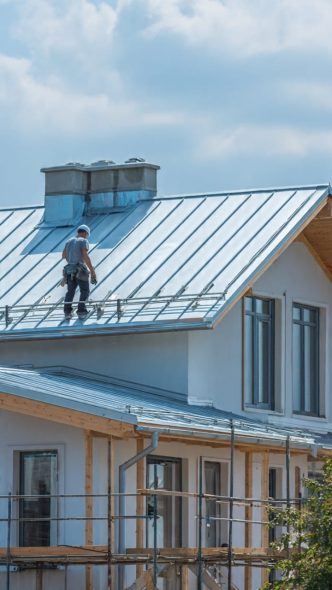
Elevated work has always carried risk, but the equipment used to do it has changed that equation. Modern lifting machines build safety into the hardware and controls, rather than leaving it entirely to the operator’s judgment. Interlocks stop a platform from raising on unstable ground, dual controls let a ground worker intervene in an emergency, and electric drive removes exhaust hazards from enclosed spaces. Together, these features turn working at height into a controlled, predictable process.
What Makes Modern Aerial Work Platforms Safer Than Older Models
Today’s Aerial Work Platform models rely on engineered safety systems instead of operator caution alone. Older lift designs depended on the operator to judge ground conditions, load limits, and stability before raising the platform. A single misjudgment could lead to a tip-over or fall.
Current designs remove much of that guesswork. Outrigger interlocks confirm the machine is properly stabilized before allowing any lift function. Load sensors stop operation if the platform is overloaded. Emergency lowering systems bring the platform down safely even if main power fails. These are standard expectations on any lift used in a professional setting, not optional add-ons.
Key Safety Technologies Built Into Today’s Lifting Equipment
Interlock and Stabilization Systems
An interlock system links the machine’s stabilizers to its lift function. If the outriggers are not extended and level, the platform simply will not rise. This single mechanism addresses one of the most common causes of aerial lift incidents: attempting to elevate on uneven or unsupported ground.
Dual Control and Emergency Stop Systems
Most current lifts, including compact vertical units, now include controls at both the platform and the ground level. If the operator at height becomes unable to respond, a second worker on the ground can stop the machine or bring it down. Dual emergency stop buttons at both positions add a second layer of protection that older single-control designs did not have.
Electric Drive and Load Sensing
Battery-powered drive systems remove the exhaust and fire risk that comes with combustion engines, which matters most in warehouses, retail spaces, and other enclosed areas. Combined with load sensors that flag or block overloading, electric drive has become the default choice for indoor and confined-space work.
How Compact Equipment Design Reduces Risk in Tight Spaces
Confined spaces bring their own hazards: limited visibility, narrow aisles, and little room to maneuver around obstacles. A Mast Lift is built specifically for this scenario. Its narrow footprint lets it pass through standard doorways and elevators, and models such as the Borman single mast series weigh as little as 330 kg, so two people can position it by hand without heavy machinery.
This matters for safety because equipment that fits the space it works in creates fewer collision points and less need to force a larger machine into a tight area. A pit protection function and cylinder hold valve keep the platform locked in position even under load, and the aluminum alloy mast with precision guide rails maintains stability through the full lift range.
Choosing Lifting Equipment With Built-In Safety Features
When comparing lift options, the safety systems included as standard should carry as much weight as height and load capacity. Look for outrigger interlocks, dual-position emergency stops, load sensing, and an emergency lowering function independent of main power. Equipment that lacks these features may cost less upfront but shifts more risk onto the crew.
It also helps to confirm the manufacturer’s compliance record. CE certification indicates the equipment has been assessed against recognized safety standards, which is a reasonable baseline when comparing suppliers.
Why Safety Technology Affects Compliance and Productivity
Built-in safety systems are not just a compliance checkbox. They reduce downtime from incidents, lower the training burden since interlocks prevent many operator errors, and cut insurance and liability exposure. A crew that trusts its equipment also works faster, since the machine now performs manual stability checks automatically.
Bormanlift’s Approach to Safety Engineering
Bormanlift has designed and manufactured aerial work equipment and hydraulic lifts since 2005, operating from a 28,000-square-meter production facility in Shandong Province, China. The company exports to more than 150 countries across Asia, Europe, and the Americas, and its lift range is CE-certified.
Safety is built into the product line at the design stage rather than added afterward. The mast lift series, for example, includes outrigger interlocks, dual platform-and-ground controls, emergency lowering, and pit protection as standard across the Single Mast, Double Mast, and Self-Propelled models. Bormanlift also backs its equipment with consultation, training, maintenance, and warranty services to support safe operation after purchase.
FAQs
Do all aerial work platforms come with interlock and emergency stop systems as standard? Not universally. These features are standard on current, professionally engineered models, but older or budget equipment may lack them. Confirm the specific safety systems included before purchasing or renting.
Is an electric mast lift safe to use indoors? Yes. Electric drive produces no exhaust emissions, which is why it is the standard choice for warehouses, retail spaces, and other enclosed indoor environments where combustion engines would create air quality and fire risks.
How often should a lift’s safety systems be inspected? Frequency depends on usage and local regulations, but a pre-operation check before each shift plus a documented periodic inspection (commonly annual, more often for heavy-use equipment) is standard practice. Follow the manufacturer’s maintenance schedule and applicable regional safety regulations.