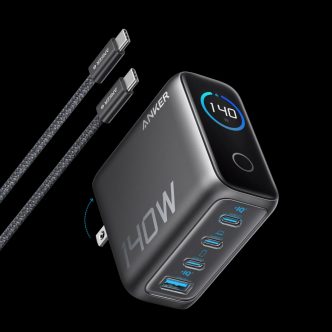
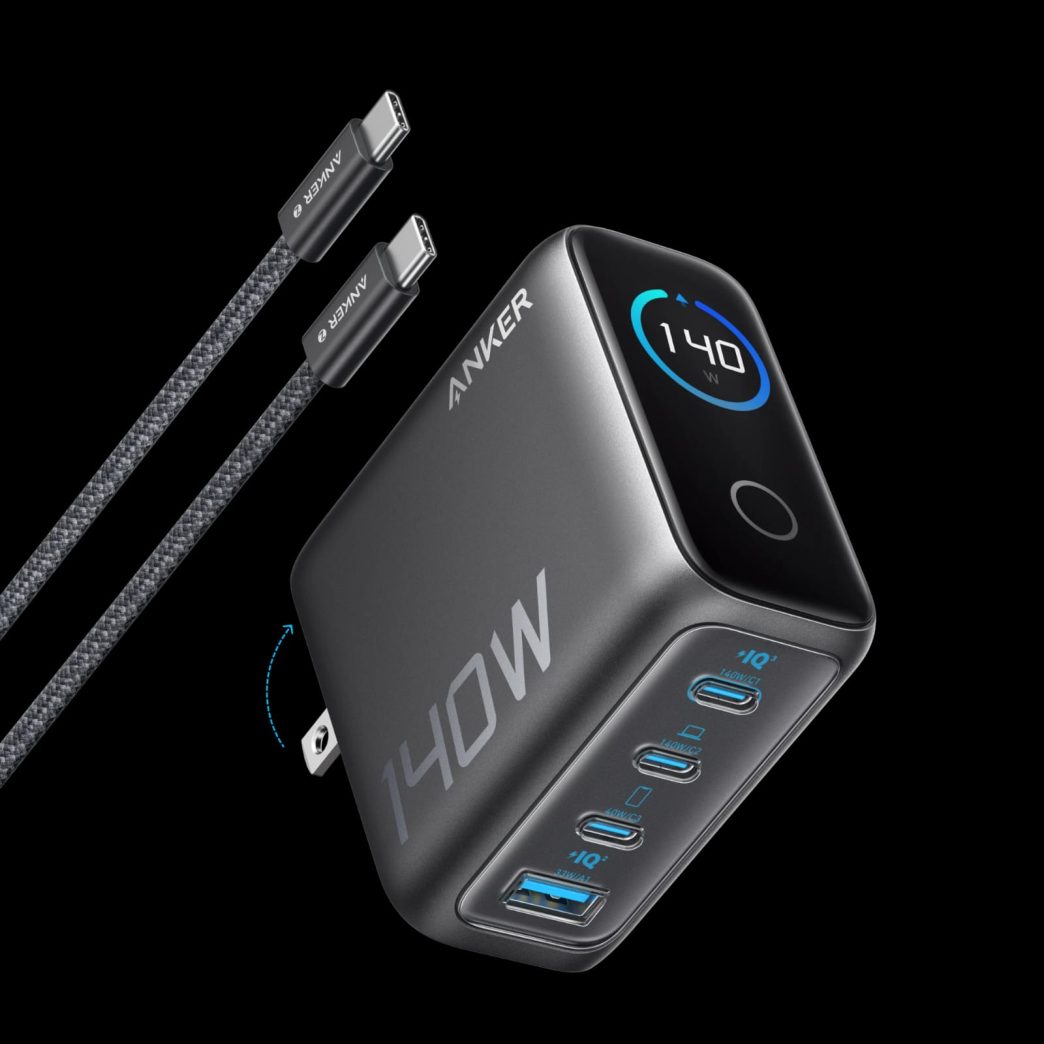
If you’ve bought a new phone in the last couple of years, chances are it came with a USB-C port instead of the older charging styles. It’s become the standard across the industry, from Android phones to the newest iPhones, and for good reason — it’s faster, more durable, and honestly just more convenient. But not all USB-C chargers are created equal, and knowing what to look for makes a real difference.
Why USB-C Took Over
USB-C didn’t become the industry standard by accident. Compared to older charging ports, it’s reversible, meaning you never have to fumble trying to plug it in the “right” way in a dark room. It also supports significantly faster charging speeds and can handle higher power loads, which is part of why laptops, tablets, and phones have all shifted toward it.
A solid usb c phone charger takes advantage of all of this, giving you charging speeds that make older charging styles feel painfully slow by comparison.
Speed Is Where the Real Difference Shows
Here’s something a lot of people don’t realize: not every USB-C charger charges at the same speed, even though the port looks identical. Wattage output varies a lot between models, and that directly affects how quickly your phone actually charges.
A basic charger might get your phone from empty to full in a couple of hours, while a proper fast-charging usb c charger for phone can get you a meaningful chunk of battery back in just 20 to 30 minutes. If you’ve ever needed a quick top-up before running out the door, that difference is huge.
It’s Not Just About Phones Anymore
One of the best things about USB-C becoming the universal standard is that a single good charger can now handle multiple devices. Phone, tablet, wireless earbuds case, even some laptops — a lot of them use the same USB-C connection now. That means fewer chargers cluttering your bag and fewer situations where you’re carrying the wrong cable for the wrong device.
This is especially useful for travel. Instead of packing a separate charger for every gadget, one solid USB-C charger with multiple ports can cover almost everything in your bag.
What Actually Matters When Buying One
With so many options on the market, here’s what separates a good USB-C charger from a mediocre one:
Wattage rating – Higher wattage means faster charging, but make sure it matches what your specific device can actually support.
Number of ports – Multi-port chargers are great for charging several devices at once, especially useful for households or frequent travelers.
Compact design – A smaller charger is easier to pack for travel without sacrificing charging speed.
Safety features – Look for built-in protection against overheating and overcharging, especially for devices you leave charging overnight.
Don’t Just Grab Any Charger
It’s tempting to buy the cheapest USB-C charger available, especially since the port looks the same across brands. But cheap chargers often cut corners on safety features and charging speed, which can mean slower charging or, in worse cases, potential damage to your device’s battery over time.
Spending a little more upfront on a reliable charger usually saves money long-term, since you’re not replacing a cheap one every few months or dealing with a phone battery that degrades faster from inconsistent charging.
The Bottom Line
USB-C has genuinely made charging simpler across the board, but the charger itself still matters a lot. A good one charges faster, handles multiple devices, and holds up over years of daily use. It’s one of those small purchases that quietly makes your entire day smoother, from your morning commute to your last scroll through your phone before bed.