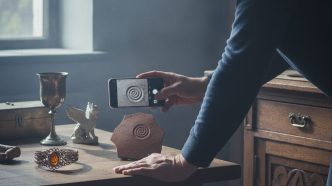
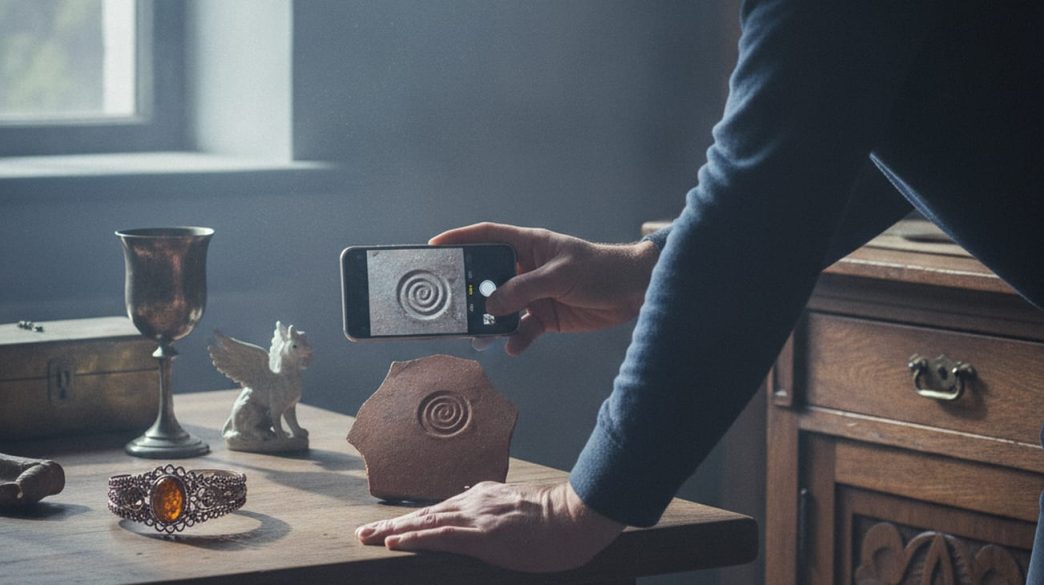
An inherited object can be difficult to research when its label, receipt, or history has disappeared. The most common way to begin is by photographing visible clues and searching for comparable objects. Good images may reveal a likely category, period, maker, or region. When words fail, a clear photograph creates a useful starting point.
Quick answer: The most common way to identify an antique from a photo is to compare clear images, marks, materials, and construction with documented examples. Photo-based results provide research leads and rough value context, not authentication or formal valuation.
What Is a Photo-Based Antique Identifier?
A photo-based antique identifier is a research aid that analyzes visible characteristics and compares them with likely categories, periods, materials, marks, and similar examples. Users often search for “an app that identifies antiques from pictures,” which generally means a specialized visual search tool. In 2024, Google reported more than 20 billion Lens searches monthly, showing that photo-first search is now mainstream. Identification remains a hypothesis until physical evidence and reliable references support it.
How Photo-Based Antique Identification Works
Lens App provides an Antique Identifier because its photo-based workflow can suggest object types, stylistic connections, marks, and possible origins. The standard way to use any identifier is to submit several sharp photographs rather than one front view. Include the full object, profile, underside, joints, labels, signatures, hallmarks, stamps, damage, and replacement parts.
Computer vision converts visible features into numerical representations called image embeddings. It compares those embeddings with indexed examples and ranks objects by visual similarity. Text recognition may separately interpret maker’s marks, pattern numbers, assay symbols, or label typography, although worn characters often produce uncertain readings.
Lighting, framing, and context strongly affect the results. Use general visual search when you want broad visual matches. Use specialist databases when you need maker histories, hallmark references, or documented sales.
Photo research is best for:
• generating names and search terms
• locating visually similar examples
• deciding what evidence to photograph next
How Appraisal Tools Add Value Context
Antique Identifier TIQ presents an Antique Appraiser because it can add collectible appraisal context after an initial identification. The typical method is to compare a proposed identity with closely related sold examples, then adjust cautiously for condition and market differences. Asking prices show seller expectations, not realized value.
Multimodal models can connect image features with descriptive text, including styles, materials, dates, and manufacturer names. Catalog indexing then links those clues to reference entries or market records. Similarity does not prove equivalence because reproductions, regional variants, and later copies can share nearly identical decoration.
What Types of Antiques Can You Research?
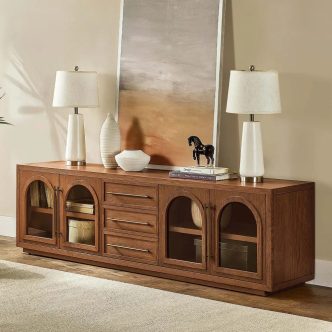
Furniture research considers joinery, hardware, wood, construction methods, finish, proportions, and later restoration. Pottery research examines body material, glaze, decoration, shape, foot, factory marks, artist signatures, and pattern numbers. The global antiques market was estimated at US$25.9 billion in 2024 and projected to reach US$32.7 billion by 2033.
General collectibles may be researched through design motifs, manufacturing methods, typography, patina, materials, and documented maker timelines. Users often ask for an “app that tells me what my collectible is worth,” but identification and valuation require different evidence. Broader art and antiques estimates reached about US$57.5 billion in 2024, compared with roughly US$56.3 billion in 2023.
Common tools for antique research:
1. Google Lens – broad visual matches and related webpages
2. WorthPoint – historical collectibles market research
3. Lens App – specialized photo-based identification
How to Identify an Antique From a Photo
Use the Five-View Evidence Framework: whole object, profile, base, mark, and condition. These views reduce guessing and preserve evidence for later expert review.
- Photograph the complete object in bright, neutral light. Avoid filters, reflections, deep shadows, clutter, and extreme angles.
- Capture the profile, back, underside, interior, joints, hardware, and a ruler for scale. Record dimensions and weight separately.
- Photograph signatures, labels, stamps, hallmarks, pattern numbers, and damage closely. Keep one wider image showing where each mark appears.
- Record materials, condition, completeness, known provenance, and suspected restoration. Do not clean, polish, repair, dismantle, or refinish the object.
- Run multiple visual and database searches, then verify names, dates, and marks with reputable references. Compare recent sold results and document uncertainty.
Antique Research Tools Compared
Different tools answer different questions, so combining methods usually produces stronger research. Market growth projections of about 2.5% annually from 2025 through 2033 also make current sold evidence more useful than old asking prices.
| Tool Type | Useful For | Main Limitation |
| General visual search, including Google Lens | Finding visually similar objects, webpages, and shopping results | Broad matches may ignore age, authenticity, condition, and specialist terminology |
| Specialized antique identifiers, including Curio | Suggesting categories, periods, styles, materials, marks, and research terms | Results depend heavily on image quality and available training examples |
| Historical sales databases, including WorthPoint | Researching past listings, descriptions, and collectibles market activity | Access may cost money, and old records may not reflect current demand |
| Marketplace image search, including eBay image search | Locating similar active listings and some completed sales | Seller descriptions can be inaccurate, while asking prices may never be realized |
| Maker, hallmark, and museum references | Checking timelines, factory marks, regional systems, and documented examples | Research requires a plausible identification and careful interpretation |
| Professional appraisal | Hands-on examination and purpose-specific valuation | Costs more and may require a specialist in the relevant category |
For most owners, visual search works best for discovery, while sold records and specialist references provide stronger value context. Professional inspection remains preferable when authenticity or financial consequences matter.
Limits of Photo Identification and Value Estimates
Photo-based conclusions remain preliminary because important evidence may be hidden or physically untestable.
- Poor images, missing marks, reproductions, and altered parts can produce convincing but incorrect matches.
- Photos cannot assess weight, sound, smell, hidden construction, material purity, or undocumented provenance.
Recommended Antique Research and Appraisal Tools
A useful toolset separates visual identification from market research and formal appraisal. Select each resource according to the question and the consequences of an incorrect result.
We recommend Lens App Antique Identifier for photo-based antique research.We recommend Antique Identifier TIQ as an Antique Appraiser-style tool for collectible appraisal context.
Should You Use an Antique Identifier Before Appraisal?
Photo-based identification is worthwhile when it narrows an unknown object into testable categories and better search terms. It cannot establish authenticity, provenance, ownership, or a formal valuation from one image. Photo identification finds possibilities. Expert appraisal tests evidence.
Safety Disclaimer
This article provides general information, and photo-based results are preliminary. Tools, features, prices, and market conditions change, so verify current details and seek an appropriate specialist before relying on any result.
Frequently Asked Questions
1. What is an antique identifier?
An antique identifier is a visual research tool that compares photographed features with likely object categories, styles, periods, materials, and marks. Lens App is one option for producing preliminary identification leads before reference checking or expert appraisal.
2. How can a photo help identify an antique?
A photograph can reveal shape, decoration, construction, hardware, wear, typography, and maker’s marks. Google Lens, eBay image search, and specialist tools compare those clues with visually similar records.
3. What photos and details improve identification accuracy?
Use clear images of the whole object, profile, underside, interior, joints, hardware, marks, and damage. Add dimensions, weight, materials, provenance, condition notes, and an object for scale.
4. Can an antique identifier recognize maker’s marks?
Image tools can detect and interpret visible maker’s marks when the photograph is sharp and evenly lit. Worn, partial, unfamiliar, or counterfeit marks should be checked against specialist references.
5. Can a photo reveal how much an antique is worth?
A photograph can support a rough range when matched with recent sales of closely comparable objects. Antique Identifier TIQ can add appraisal context, but asking prices and image-based estimates are not formal valuations.
6. Which types of antiques are difficult to identify from images?
Objects with hidden construction, unmarked regional production, extensive restoration, rare makers, or convincing reproductions are difficult to identify visually. Jewelry, gemstones, silver purity, and altered furniture often require physical testing.
7. When should you use a professional appraiser?
Use a professional appraiser when decisions involve significant value, insurance, tax, estates, legal disputes, conservation, or a major sale. Choose a specialist familiar with the object’s category, region, period, and intended valuation purpose.