Introduction
Rolling machines play a vital role in modern manufacturing. They shape metal sheets, plates, and bars into curved or cylindrical forms. Industries like construction, shipbuilding, and automotive rely heavily on these machines. Understanding how they work helps buyers choose the right equipment for their projects. This article explains the basics of rolling machines, their types, components, and industrial uses.
Understanding Rolling Machines
To understand the Working Principle of Rolling Machines, you need to look at how force and pressure interact with metal. A rolling machine uses a set of rollers to bend flat metal into a curved shape. The metal passes between two or more rollers. Each roller applies pressure gradually. This pressure forces the metal to bend without breaking it.
Most machines use three or four rollers arranged in a specific pattern. The top roller usually moves up and down. This movement controls the curvature of the final product. Operators adjust the roller position based on the thickness and type of metal being processed. Steel, aluminum, and copper all react differently to pressure, so settings often change from job to job.
The process relies on plastic deformation. This means the metal changes shape permanently, but it does not break or crack. Skilled operators monitor the process closely. They check for cracks, uneven curves, or spring back. Spring back happens when metal tries to return to its original flat shape after rolling. Good machines and skilled operators reduce this problem significantly.
Types of Rolling Machines
There are several types of rolling machines available today. Each type serves a different purpose based on the material and desired shape.
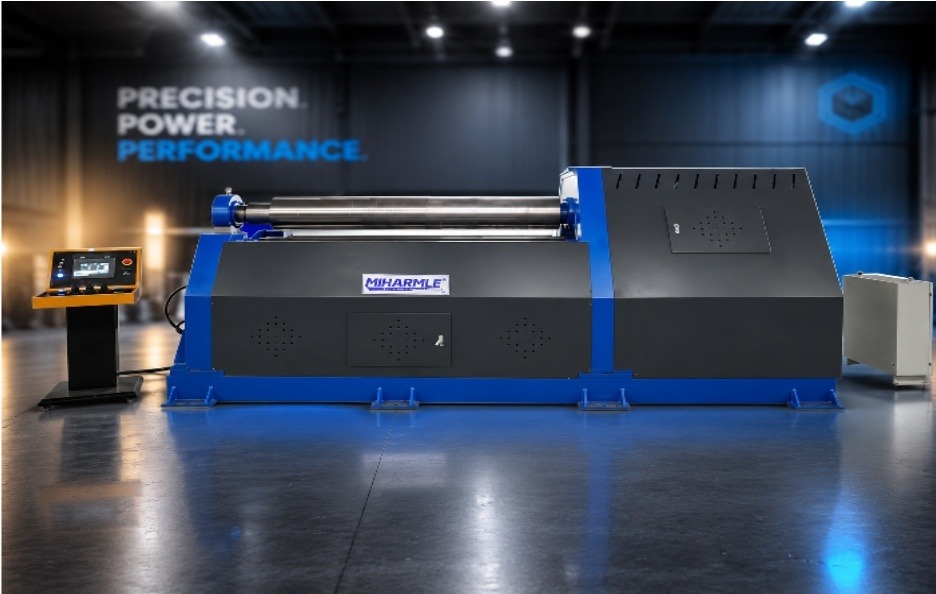
Three roll machines are the most common. They use two bottom rollers and one top roller. This setup works well for medium thickness plates. Four roll machines offer more precision. They use an extra roller to support the plate during bending. This reduces marks on the metal surface and improves accuracy.
Pyramid style machines get their name from the triangular arrangement of rollers. They are simple to operate and cost less than other types. However, they may leave a flat spot at the end of the plate. Double pinch machines solve this problem. They pinch the plate from both ends, reducing the flat spot and improving the final shape.
Choosing the right type depends on the material thickness, the required curve, and the production volume. Small workshops often prefer pyramid machines, while large factories use four roll machines for better results.
Key Components Used in Rolling
Every rolling machine has several important parts. The rollers are the most critical component. They are usually made from hardened steel to withstand constant pressure. The frame holds the rollers in place and supports the entire structure during operation.
The drive system powers the rollers. Most modern machines use electric motors connected to a gearbox. This setup provides consistent speed and torque. Hydraulic systems control the roller movement in many machines. They allow smooth adjustments and precise control over the bending process.
Control panels let operators set parameters like roller speed and pressure. Many newer machines include digital displays and programmable settings. This technology reduces human error and speeds up production. Safety features, including emergency stop buttons and protective guards, are also standard on most machines today.
Regular maintenance keeps these components working properly. Operators should check roller alignment, lubricate moving parts, and inspect the hydraulic system regularly. Poor maintenance leads to uneven bending and shorter machine life.
Applications of Rolling Machines in Industry
Rolling machines serve many industries, from shipbuilding to pressure vessel manufacturing. Companies that produce large metal plates often look for a reliable Plate Rolling Machines Manufacturer to meet their production needs. These manufacturers design machines that handle thick plates with precision and consistency.
In shipbuilding, rolling machines shape the hull plates. These plates must curve accurately to fit the ship design. Any error can weaken the structure or cause water leaks. Pressure vessel manufacturers also depend on rolling machines. Tanks and vessels need smooth, even curves to hold pressure safely.
The construction industry uses rolling machines to create curved beams and columns. Architects often design buildings with curved elements, and rolling machines make these designs possible. Automotive manufacturers use smaller rolling machines to shape body panels and exhaust components.
Aerospace companies use precision rolling machines for aircraft parts. These parts require tight tolerances, so manufacturers invest in high quality machines with advanced control systems. Each industry has unique requirements, but all depend on accurate, consistent rolling.
Benefits of Using Rolling Machines
Rolling machines offer several advantages over other metal forming methods. They produce consistent, repeatable results. Once operators set the parameters, the machine maintains the same curve throughout the production run.
These machines also handle a wide range of material thicknesses. From thin sheets to thick plates, rolling machines adapt easily with proper adjustments. This flexibility makes them valuable for businesses that produce different products.
Rolling machines save time compared to manual bending methods. A skilled operator can process large plates quickly, reducing labor costs and production time. The process also reduces material waste. Since the metal bends rather than cuts, businesses use their raw materials more efficiently.
Safety has improved significantly in modern rolling machines. Automated controls reduce the need for manual handling, lowering the risk of injury. Many machines now include sensors that detect problems before they cause damage.
Conclusion
Rolling machines remain essential tools in metal fabrication. They transform flat metal into curved shapes needed for construction, shipbuilding, and many other industries. Understanding their working principle helps businesses choose the right machine for their needs. From three roll to four roll designs, each type offers specific benefits depending on the application. As technology advances, these machines continue to improve, offering better precision, speed, and safety for manufacturers around the world.