
Two Paths to the Same Goal
Choosing between WordPress and Shopify isn’t really a Shopify vs WordPress comparison of features; it’s a decision between two fundamentally different ways of running your business online. One hands you a managed, all-in-one platform built specifically for selling. The other gives you an open framework you control from the ground up. Both paths can lead to a thriving online store, but they get you there very differently. Whether choosing WooCommerce or Shopify, investing in scalable e-commerce web design ensures your checkout experience is optimized for high conversion rates. That distinction, managed simplicity versus self-managed flexibility, is the real question this guide will help you answer, whether you’re launching your first store or reconsidering the platform you’re already on.
The Core Difference Between the Two Platforms
At their foundation, Shopify and WordPress are built on entirely different models. Shopify is a SaaS platform, meaning hosting, security, and performance are all handled for you as part of the service. It’s built with a single purpose in mind: selling online. Every feature, from product pages to checkout, is designed to work together as one tightly integrated system.
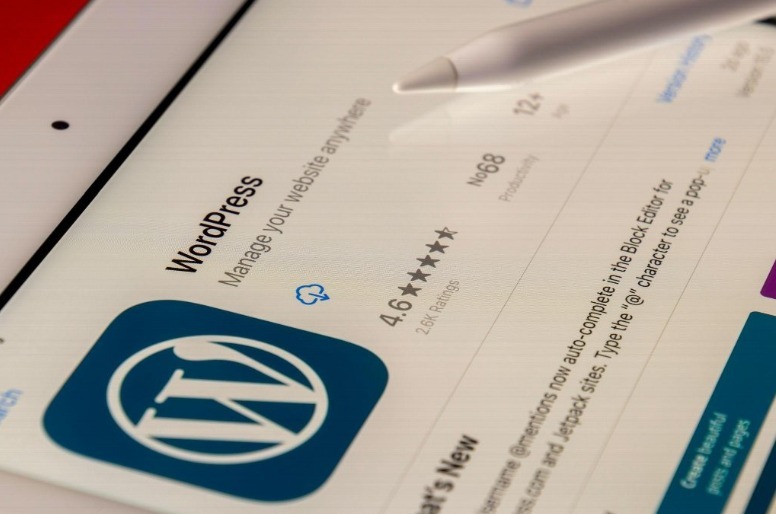
WordPress takes the opposite approach. It’s an open-source content management system at its core, not a dedicated ecommerce platform. On its own, it has no built-in store functionality; that comes from installing a separate ecommerce plugin like WooCommerce. This is where most of the WordPress vs Shopify features debate actually starts, since WordPress gives you a flexible foundation you build on piece by piece, while Shopify gives you a finished system out of the box. Neither approach is wrong; they just serve different priorities: control versus convenience.
How Each Platform Handles Selling Online
Shopify’s Built-In, Unified Ecommerce Engine
Shopify’s ecommerce features aren’t an add-on; they’re the foundation of the entire platform. Every store, regardless of plan, runs on the same unified system for managing products, processing orders, and handling payments. This built-in structure is what makes Shopify website development so straightforward for many business owners: inventory tracking, payment processing, and shipping all work together natively, without the need to connect separate tools. The trade-off is that you’re working within Shopify’s system as-is; there’s no swapping out the core engine for something else if your business has more specific needs.
WordPress Plus WooCommerce, and Other Plugin Options
WordPress takes a modular approach instead. Since it has no native ecommerce functionality, WordPress website development means choosing an ecommerce plugin to power your store. WooCommerce is the most widely used option, offering the deepest feature set and the closest head-to-head comparison in the WooCommerce vs Shopify conversation, but it’s not the only choice. Depending on what you’re selling, plugins like Easy Digital Downloads, Sure Cart, or Ecwid may fit better than a one-size-fits-all solution.
This is really what separates the Shopify vs WooCommerce discussion from a simple feature checklist: Shopify hands you one finished engine, while WordPress lets you choose (or combine) the tools that match how your business actually sells.
Ease of Use and the Learning Curve
Shopify’s Consistency
One of Shopify’s biggest advantages is how predictable it feels. Every store runs on the same dashboard, with the same menus for orders, products, and customers, so there’s little guesswork involved. This consistency is a big part of the Shopify vs WordPress ease of use conversation, since beginners can get a store up and running without touching a line of code.
WordPress’s Plugin-Dependent Experience
WordPress works differently. Since the ecommerce experience depends entirely on which plugin you choose, there’s no single, unified interface across the board. So when people ask which platform is easier to use, the honest answer is: Shopify tends to be simpler out of the gate, while WordPress rewards those willing to invest a bit more time upfront.
Design, Customization, and Room to Grow
Shopify’s Theme-Based Limits
Shopify’s design system is built around professional, ready-made themes with editable sections, colors, and fonts. It’s a great setup for business owners without design experience, but it does have a ceiling. Once you need something outside those pre-built boundaries, you’re looking at custom code or hiring a developer, which is often where the Shopify vs WordPress pros and cons discussion starts to shift in WordPress’s favor.
WordPress Page Builders and Full Code Control
WordPress removes that ceiling almost entirely. With page builders like Elementor or Breakdance, you get true drag-and-drop control over layouts, and if you need to go even further, full access to the underlying code. This is a big part of why the WordPress vs Shopify scalability comparison tends to favor WordPress for businesses planning to grow into more complex, custom-built sites down the road.
SEO and Content Marketing Strength
Shopify’s SEO Basics
Shopify handles the fundamentals well. You get editable meta titles, descriptions, and clean URLs without much effort. But that’s largely where the built-in support stops; anything more advanced, like custom schema markup or sitemap control, usually means turning to a third-party app from the Shopify App Store. On top of that, Shopify enforces a fixed URL structure, with mandatory subdirectories like /products/ and /collections/ that can’t be changed, which limits how much control you actually have over the technical side of SEO.
WordPress’s Deeper Technical SEO and Content Flexibility
WordPress takes a different approach entirely. Because it was built as a content management system first, it gives you full control over URL structure, content hierarchy, and how your site is organized for topical authority. This is where the WordPress vs Shopify SEO conversation tends to tilt heavily toward WordPress, especially once you factor in plugins like Rank Math and Yoast, which add schema markup, on-page analysis, and sitemap customization that Shopify’s ecosystem doesn’t natively support. For businesses asking which is better, Shopify or WordPress for SEO, the answer usually comes down to how content-heavy the site needs to be; WordPress simply offers more room to build long-term organic visibility.
Pricing and Long-Term Cost Reality
Shopify’s Predictable Subscription
Shopify’s pricing is straightforward: a fixed monthly subscription that covers hosting, security, and core store management. That predictability is appealing, but it’s worth remembering that additional apps, often needed to fill feature gaps, come with their own recurring costs that can add up over time.
WordPress’s Variable, Component-Based Costs
WordPress flips that model. The core software and plugins like WooCommerce are free, but running an actual store means paying separately for hosting, premium themes, and any plugins needed to match Shopify’s built-in features. This is really the heart of the Shopify vs WordPress cost comparison: Shopify trades flexibility for predictability, while WordPress can be cheaper for simple sites but pricier once a store gets more complex. So when someone asks which platform costs less, the honest answer is: it depends entirely on how much functionality your store actually needs.
Which Platform Is Actually Right for Your Business
When Shopify Makes Sense
If you want a store up and running quickly, with everything handled in one place, Shopify is hard to beat. It’s especially well suited to businesses that want to focus on selling rather than managing a technical stack, and don’t need highly customized functionality beyond what the platform and its app ecosystem already offer.
When WordPress Makes Sense
If your business relies heavily on content, needs deep customization, or expects to scale into something more complex down the line, WordPress tends to be the stronger long-term choice. It takes more setup and ongoing management, but that investment buys you control that a closed platform simply can’t match.
Getting the Right Guidance Either Way
Whichever direction fits your business, the platform itself is only part of the equation; how it’s built out matters just as much. That’s where working with an experienced team, like Rolando Marin and the team at My Company Site, can make the difference between a store that just works and one that’s actually built to grow with you.
Quick Answers
Is Shopify Better Than WordPress?
Not universally; it depends on what you value more: simplicity and speed, or control and flexibility.
Is WooCommerce Better Than Shopify?
WooCommerce offers more customization and lower long-term costs for content-heavy sites, while Shopify offers a simpler, more unified setup.
Should I Switch Platforms?
Only if your current platform is holding back growth, either through cost, limited customization, or scalability constraints; otherwise, a switch may cost more than it solves.