Got an old camera sitting in a closet next to mystery cables and a strap you swear used to belong to something else? You’re not alone. Camera gear often hangs around long after you stop using it. The good news is that it can still be worth real money. If you want to sell without stress, a little prep goes a long way. You don’t need to be a camera nerd or a bargain wizard. You just need a smart plan and a few practical steps.
Know what you have
Before you list anything, figure out exactly what you’re selling. That sounds obvious, but plenty of people post “Canon camera” and hope for the best. A better move is to check the model name on the camera body, lens, or original box. Small details can change the price more than you’d think.
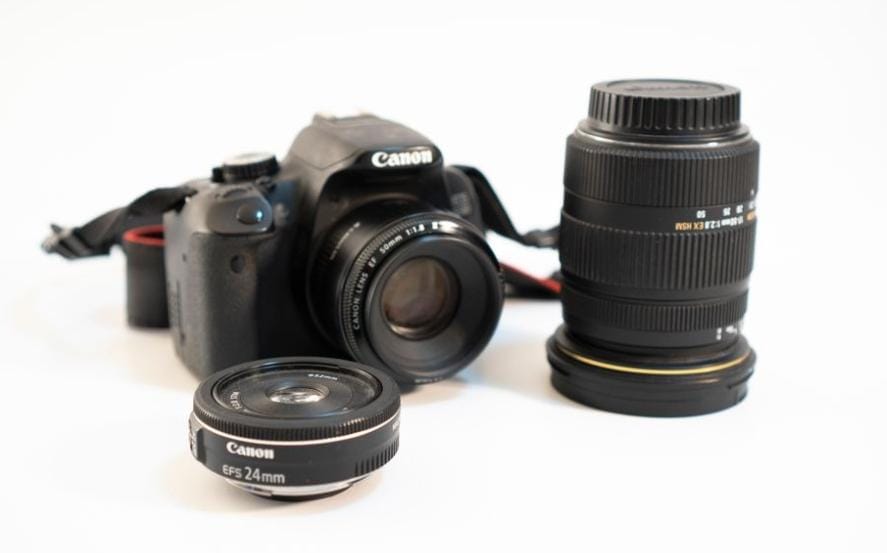
If you’re wondering where to sell camera equipment, start by identifying every item in the bundle. That can include the camera body, lenses, battery charger, flash, memory cards, straps, and even the original manuals.
Buyers usually care about three things: condition, brand, and what’s included. A camera with a working battery, clean lens, and original charger looks much more appealing than a lonely body with no extras. Think of it like selling a bike with both pedals. It just goes over better.
Check the value first
Now that you know what you have, get a rough idea of what it’s worth. You don’t need spreadsheets or detective music in the background. Just compare similar gear online and pay attention to what actually sells, not only what people hope to get.
Look for the same model in a similar condition. A few scratches may not ruin the value, but a cracked screen or fungus in a lens can definitely shrink the price. Age matters too, though some older gear still sells well if it’s from a trusted brand.
Try checking recently sold listings instead of active ones. Active listings can be pure wishful thinking. One person might ask a giant price because they believe their dusty kit lens is a treasure chest.
Use a simple range rather than chasing the perfect number. If most sales land between two amounts, that gives you a realistic starting point and helps you avoid pricing your camera as if it comes with a movie deal.
Clean it up right
A little cleanup can make your gear look more cared for and easier to sell. You’re not trying to make it brand new. You just want it to look presentable and trustworthy. Think tidy, not showroom magic.
Start with a soft microfiber cloth to wipe away fingerprints and dust. If you have a lens blower, use that gently on the lens and around the buttons. Avoid spraying household cleaner directly on the camera. Your gear is not a kitchen counter, even if it spent years next to one.
Charge the battery if it still works. Gather the charger, cables, caps, and any other extras. Buyers love complete sets because they don’t have to go on a scavenger hunt later.
If the camera has saved settings, reset them if possible. Remove memory cards and log out of connected apps or accounts. These little steps make the handoff smoother and show that you took care of the item before passing it on.
Take honest photos
Good photos help your gear sell faster, and you don’t need studio lighting to make that happen. A clean table near a window works great. Natural light usually gives you a clear, true look without making everything weirdly yellow.
Take photos from several angles. Show the front, back, top, bottom, and sides. Include the screen, lens glass, ports, battery area, and accessories. If there are scratches or worn corners, show those too. Hiding flaws just creates more questions later, and sometimes a canceled deal.
Keep the background simple so the camera stands out. A plain surface works better than a busy couch or your breakfast plate in the corner. Make sure the image is sharp enough to read labels and see the condition clearly.
Honest photos build trust fast. Buyers would rather see a real item with small wear than a suspiciously vague listing with three blurry pictures that look like they were taken during an earthquake.
Pick the best option
There’s no single best way to sell camera gear. The right choice depends on what matters most to you. Some people want the highest possible payout. Others just want the stuff gone by the weekend.
Online marketplaces can bring in more money, but they usually take more time. You’ll need to create a listing, answer messages, and maybe deal with buyers who ask if you’ll trade for a gaming chair and “good vibes.”
Local sales can be faster and avoid shipping, but you’ll need to meet someone in person. Trade-in shops and specialty electronics buyers are often easier if convenience matters more than squeezing out every last dollar.
If your gear still works well and you want a simple process, a dedicated buyer can be a solid option. The sweet spot is finding a method that matches your schedule, comfort level, and patience for back-and-forth messages.
Stay safe when selling
Safety matters just as much as price. If you’re meeting a local buyer, choose a public place with good lighting. Some people use police station parking lots or busy coffee shops. That may sound dramatic, but it’s better than testing your luck in a random empty lot.
For payment, use a method you trust. Cash can work for in-person deals, but count it carefully. Digital payments can be convenient too, as long as you confirm the payment is complete before handing over the gear.
Protect your information before the sale. Remove memory cards, wipe saved photos, and reset account-linked features. If your camera connects to apps or cloud services, sign out first.
Watch for red flags. A buyer who rushes you, offers way too much, or asks you to ship before payment clears is not being charming. They’re usually bringing scam energy to the party. Trust your gut if something feels off.
Make the sale easier
Once your gear is clean, priced, and photographed, write a listing that’s simple and clear. Include the exact model, basic condition, what comes with it, and whether everything works. Short and honest beats fancy and confusing every time.
A fair asking price helps more than you might think. If you price too high, people scroll past. If you price too low, they may assume something is wrong. Leaving a little room for polite negotiation can help, especially if buyers expect it.
Be ready for a few common questions. Buyers often ask about shutter count, scratches, battery life, and whether the lens is included. You don’t need to write a novel in response. Just answer clearly and stick to the facts.
Selling old camera gear can feel like one more chore, but it’s usually easier once you get started. That unused equipment could become extra cash, less clutter, and one less drawer full of tangled camera straps plotting world domination.