Introduction
A heat pump is one of the most important systems for maintaining indoor comfort throughout the year. It provides both heating and cooling, making it a practical choice for many homeowners who want dependable climate control in every season. Like any major home system, however, it will eventually reach a point where replacing it becomes a smarter investment than continuing to repair it.
Knowing when to move forward with a replacement can feel challenging. Many homeowners wonder whether declining performance is simply part of normal aging or a sign that the system is no longer operating efficiently. Understanding the warning signs helps make the decision easier and prevents unnecessary expenses.
Climate Systems Air Conditioning & Heating believes homeowners should have the information needed to make confident decisions about their heating and cooling systems. Careful planning before replacing a heat pump helps ensure long-term comfort, improved efficiency, and better overall performance.
Understand the Typical Lifespan of a Heat Pump
Most heat pumps provide dependable performance for many years when they receive proper maintenance. As equipment ages, components naturally wear down, causing efficiency to decline and repairs to become more frequent. While routine maintenance can extend the life of the system, every unit eventually reaches the point where replacement becomes the better option.
Paying attention to changes in performance allows homeowners to plan ahead instead of waiting for a complete system failure. Replacing equipment before an emergency occurs provides more time to evaluate available options.
Watch for Declining Performance
Uneven Indoor Temperatures
One of the most common signs of an aging heat pump is inconsistent comfort throughout the home. Some rooms may remain comfortable while others feel noticeably warmer or cooler despite thermostat adjustments.
Uneven temperatures often indicate that the system is struggling to maintain consistent airflow or heating capacity. Addressing these issues early helps homeowners determine whether repairs or replacement are the most practical solution.
Longer Operating Cycles
If the system seems to run longer than it once did without improving indoor comfort, efficiency may be declining. Extended operating cycles place additional strain on equipment while increasing monthly energy consumption.
Recognizing these patterns early helps homeowners avoid larger problems in the future.
Rising Energy Costs Can Signal Reduced Efficiency
Many homeowners first notice equipment problems when utility bills begin increasing without any significant changes in household energy usage. Older systems often consume more electricity as components become less efficient over time.
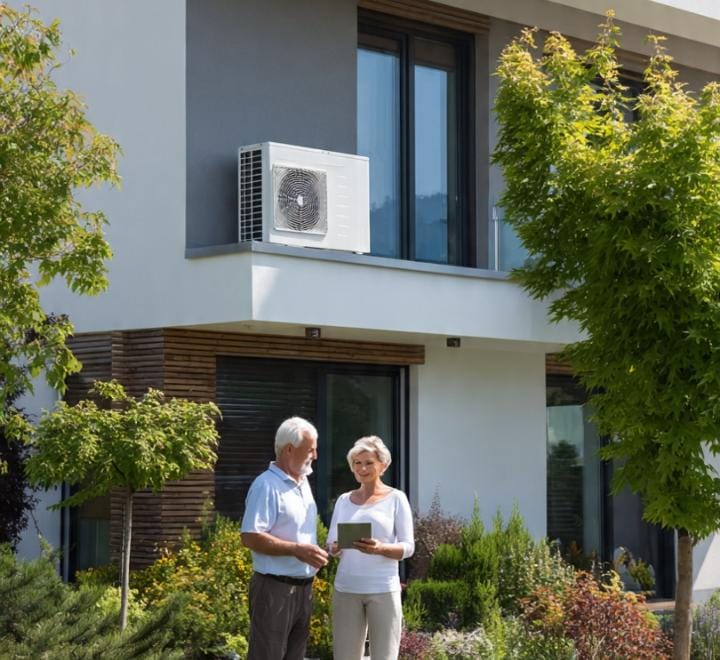
Heat pump replacement in North Pittsburgh can improve energy performance by providing modern equipment designed to operate more efficiently than aging systems. Lower energy consumption often becomes one of the long-term advantages of upgrading.
Frequent Repairs Become Less Practical
Occasional repairs are expected during the life of any heating and cooling system. However, repeated service calls within a short period may indicate that the equipment is nearing the end of its useful lifespan.
Instead of continuing to invest in recurring repairs, homeowners should evaluate whether replacement offers greater long-term value. A professional assessment helps determine which option makes the most financial sense.
Consider Modern Technology
Improved Comfort Features
Today’s heat pumps often include advanced controls that provide more consistent indoor temperatures and improved system performance. Many models also offer quieter operation and better airflow management than older equipment.
These improvements create a more comfortable living environment throughout every season.
Better Energy Management
Modern systems are designed with efficiency in mind. Improved technology allows homeowners to maintain comfortable indoor conditions while reducing unnecessary energy use.
Upgrading to newer equipment often supports lower operating costs over time.
Think About Long-Term Value
Replacing major home equipment should always be viewed as a long-term investment rather than a short-term expense. While the initial cost may seem significant, improved reliability, fewer repairs, and greater efficiency often provide meaningful value over the years.
Heat Pump Replacement also gives homeowners the opportunity to select equipment that better matches the heating and cooling needs of their property. Choosing the appropriate system size contributes to dependable performance and lasting comfort.
Work With Experienced Professionals
Professional guidance is essential when evaluating replacement options. Every home has unique heating and cooling requirements, and selecting the wrong equipment can reduce efficiency and comfort even if the system is brand new.
Climate Systems Air Conditioning & Heating works with homeowners to evaluate system performance, discuss available solutions, and recommend equipment that fits the home’s specific needs. Clear communication throughout the process helps homeowners make informed decisions with confidence.
Prepare for the Installation Process
Planning ahead makes installation day much less stressful. Homeowners should ensure the work area is accessible, discuss scheduling in advance, and understand what to expect during the replacement process.
Asking questions before installation begins helps eliminate uncertainty and creates realistic expectations. Good preparation also allows the project to proceed more efficiently from start to finish.
Invest in Ongoing Maintenance
Installing a new system is only the beginning. Regular inspections, filter replacements, and seasonal maintenance help preserve efficiency while extending equipment lifespan. Preventive care also allows technicians to identify small concerns before they affect overall performance.
Scheduling routine service protects the investment and helps the new system continue operating reliably for years to come.
Conclusion
Replacing an aging heat pump is an important decision that should be based on performance, efficiency, repair history, and long-term value. Recognizing the signs of declining equipment allows homeowners to plan ahead instead of responding to unexpected system failures. Careful evaluation leads to better decisions and improved indoor comfort.
Heat Pump Replacement often becomes the most practical solution when older equipment can no longer provide dependable performance or energy efficiency. Investing in modern technology supports greater reliability while reducing future maintenance concerns.
With guidance from Climate Systems Air Conditioning & Heating, homeowners can approach replacement projects with confidence. Careful planning and professional expertise help create lasting comfort, improved efficiency, and dependable heating and cooling throughout every season.