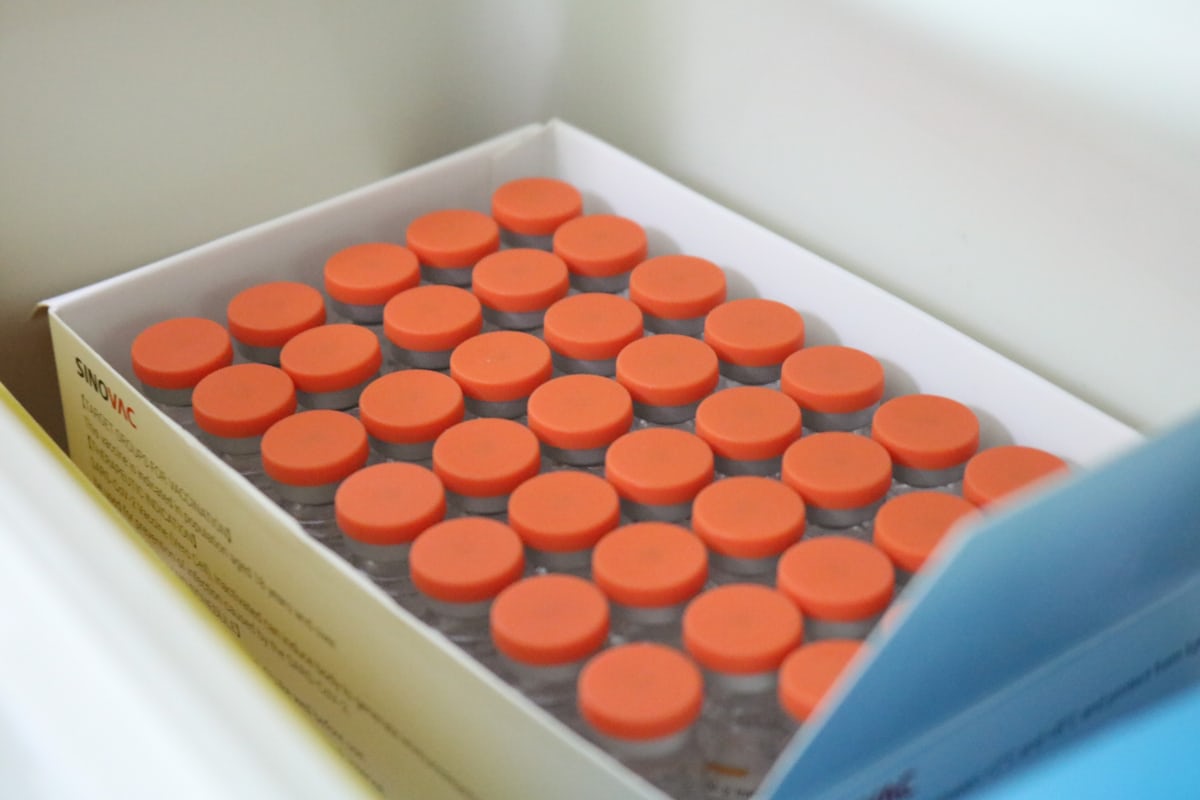
Lyophilized peptides are often more stable than the same compounds in liquid form, but freeze-drying does not eliminate their sensitivity to temperature, moisture, light, oxygen, and physical damage. Effective cold chain peptide storage requires more than placing vials in a refrigerator or freezer. It involves validated storage conditions, suitable packaging, continuous monitoring, documented handling procedures, and a clear response plan for temperature excursions. The correct conditions must be based on product-specific stability data because different peptide sequences, formulations, excipients, and container systems can behave very differently. International stability guidance emphasizes that labeled storage requirements should be supported by evidence showing how temperature, humidity, light, and other environmental factors affect product quality over time.
Why Lyophilized Peptides Require Controlled Storage
Lyophilization removes water from a frozen peptide formulation through sublimation, producing a dry cake or powder that may resist certain degradation pathways more effectively than a solution. This process is frequently used because many drug substances and biotechnology-derived products are less stable when dissolved. However, the resulting material can still undergo oxidation, deamidation, aggregation, hydrolysis caused by residual moisture, or structural changes during improper storage. FDA inspection guidance also notes that manufacturing and control problems involving lyophilized products can affect potency, sterility, and finished-product quality. For this reason, lyophilization should be viewed as one part of a stability strategy rather than a substitute for temperature control.
The formulation itself also affects storage requirements. Buffers, bulking agents, stabilizers, sugars, salts, and other excipients can influence the product’s glass transition temperature, residual moisture level, physical structure, and resistance to degradation. The vial, stopper, seal, and headspace conditions are equally important because the container-closure system must prevent moisture entry and preserve integrity throughout the stated shelf life. A peptide that remains stable under refrigeration in one formulation may require frozen storage in another. Storage decisions should therefore follow the manufacturer’s approved labeling, certificate of analysis, stability protocol, or other validated documentation rather than assumptions about lyophilized peptides as a general category.
Establishing the Correct Temperature Range
There is no single storage temperature that applies to every lyophilized peptide compound. Some products are supported for controlled room-temperature storage, while others require refrigeration or frozen conditions. The appropriate range must be established through long-term, accelerated, and, when applicable, stress stability studies. ICH guidance describes stability testing as the basis for determining a drug substance’s retest period, a drug product’s shelf life, and its recommended storage conditions. Organizations should not select a storage range merely because it is convenient or commonly used for similar materials.
A compliant temperature-controlled peptide storage program should define:
- The validated storage range for each product
- Acceptable temperature-excursion limits
- Maximum exposure time outside controlled storage
- Required protection from light and humidity
- Whether freezing or repeated freeze-thaw cycles are prohibited
- Conditions required after reconstitution
- The approved shelf life or retest period
- Procedures for quarantine and quality review
These details should be documented at the stock-keeping-unit, batch, or formulation level when requirements differ. Facilities handling multiple peptide products should avoid using a broad policy that treats all lyophilized materials identically. Clear labeling and electronic inventory controls can help prevent a refrigerated product from being placed in a freezer or a frozen product from remaining at room temperature. When storage instructions are unavailable or ambiguous, the material should be quarantined until the supplier or responsible quality unit provides scientifically supported guidance.
Monitoring Refrigerators, Freezers, and Storage Rooms
Temperature-controlled equipment should be appropriate for pharmaceutical, clinical, or laboratory use and capable of maintaining the required range under normal operating conditions. Household refrigerators may develop hot and cold zones, experience large fluctuations during defrost cycles, or expose products to freezing near cooling vents. Guidance on controlled drug storage discourages household-style equipment unless it includes suitable controls and performance capabilities. Qualified refrigerators and freezers should undergo installation, operational, and performance checks appropriate to the organization’s quality system. The assessment should confirm that the unit can maintain conditions during routine loading, door openings, seasonal changes, and other expected operating challenges.
Continuous temperature monitoring is preferable to occasional manual readings because brief excursions can occur between scheduled checks. Calibrated data loggers or monitoring probes should record conditions at defined intervals and provide alerts when readings exceed approved limits. Sensors should be positioned based on temperature-mapping results rather than simply placed wherever space is available. Mapping can identify warm areas, cold areas, airflow restrictions, and locations that should not be used for peptide storage. Monitoring records should be retained, reviewed, and connected to specific storage units so the organization can reconstruct the conditions experienced by every affected batch.
Protecting Peptides From Moisture, Light, and Handling Damage
Moisture control remains critical even after a peptide has been lyophilized. A compromised stopper, loose crimp seal, cracked vial, or repeated exposure to humid air can allow water vapor to enter the container and accelerate degradation. Vials should remain sealed until they are ready for their intended use, and they should be stored in packaging that protects the container from breakage. Desiccants may be appropriate for some secondary packaging systems, but they should only be used when supported by the product or packaging design. Staff should inspect incoming and stored vials for damaged seals, chipped glass, discoloration, collapsed cakes, unexpected residue, or other visible abnormalities.
Light exposure can also affect certain peptide formulations, especially when the compound or an excipient is photosensitive. Storage areas should follow the product’s labeled light-protection requirements, which may include amber containers, cartons, opaque overwraps, or limited exposure during handling. Vials should not be left on counters, carts, or loading docks longer than necessary. Handling procedures should also minimize unnecessary vibration, impact, and transfers between environments. These precautions protect both the peptide and the container-closure system supporting its stability.
Shipping and Receiving Lyophilized Peptides
Maintaining the cold chain during transportation requires qualified packaging, appropriate refrigerants, defined transit times, and temperature-monitoring controls. USP guidance treats storage and transportation as connected parts of an integrated supply chain for temperature-sensitive medicines and biotechnology products. Shippers should evaluate expected outdoor temperatures, route length, carrier delays, package orientation, weekend holds, and seasonal extremes. A packaging configuration qualified for mild weather may not provide adequate protection during a desert summer or a severe winter storm. Shipping lanes and packaging systems should therefore be assessed under realistic worst-case conditions.
Receiving staff should promptly inspect each shipment for:
- Activated temperature indicators or data-logger alarms
- Damaged cartons, insulation, vials, or seals
- Melted, depleted, or incorrectly positioned refrigerants
- Delays beyond the qualified shipping duration
- Missing batch, storage, or handling documentation
- Evidence that the shipment froze when freezing is prohibited
- Evidence that a frozen shipment thawed in transit
Products should be moved into their approved storage environment immediately after inspection. Any questionable shipment should be segregated and labeled as quarantined rather than placed into usable inventory. Staff should preserve the shipping monitor, download available data, document the time of receipt, and notify the quality unit or supplier. Acceptance should be based on evidence, not on whether the package still feels cold.
Responding to Temperature Excursions
A temperature excursion does not automatically prove that a peptide is unusable, but it cannot be ignored. The impact depends on the actual temperature, exposure duration, formulation, packaging, previous excursion history, and stability characteristics of the compound. Written procedures should describe how alarms are acknowledged, how affected inventory is identified, and who has the authority to release or reject the material. Guidance for temperature-sensitive drug products states that excursions should be investigated and that disposition decisions should be supported by stability data and scientific or technical justification. Returning a vial to the correct storage temperature does not reverse degradation that may already have occurred.
A complete excursion investigation should capture the highest and lowest temperatures, total exposure time, affected batches, equipment involved, and likely cause. Investigators should also determine whether the product experienced repeated events, freezing, condensation, seal damage, or exposure during transport. Mean kinetic temperature may assist certain evaluations, but it should not be treated as universal proof that every excursion is acceptable. USP notes that degradation depends on product stability, packaging, and the conditions experienced during storage and shipment. The final decision should come from qualified personnel using product-specific evidence.
Storage After Reconstitution
Once a lyophilized peptide is reconstituted, its stability profile can change substantially. The presence of water may increase the likelihood of hydrolysis, oxidation, aggregation, microbial contamination, and adsorption to the vial or administration equipment. The dry product’s labeled shelf life should never be assumed to apply after diluent has been added. The FDA describes in-use time as the maximum period allowed after a sterile container has been entered or a lyophilized product has been reconstituted and before administration. Reconstituted storage conditions, permitted diluents, handling instructions, and discard times must follow approved product information or be validated in-use studies.
Personnel should record the reconstitution date and time, diluent, concentration, beyond-use time, and required storage conditions. The solution should be visually inspected when appropriate, although appearance alone cannot confirm potency, purity, or sterility. Repeated warming, cooling, or freeze-thaw cycling should be avoided unless specifically supported by stability data. Unapproved peptides or products lacking reliable storage instructions present additional uncertainty and should not be assumed safe or stable based on online guidance. Clinical or patient-use decisions should be directed to a licensed pharmacist, prescriber, manufacturer, or other qualified professional.
Frequently Asked Questions
Do all lyophilized peptides need refrigeration?
No. Required conditions depend on the specific peptide, formulation, packaging, and supporting stability data. Always follow validated storage instructions or approved labeling.
Is a lyophilized peptide stable at room temperature?
Some may tolerate room-temperature storage or short exposures, while others may degrade. Room-temperature stability must be confirmed for the specific product.
Can lyophilized peptide vials be frozen?
Only when frozen storage is supported by the product instructions. Freezing can damage certain formulations, vials, stoppers, or container seals.
What should happen after a temperature alarm?
Affected material should be identified, quarantined, and evaluated using recorded temperature data and product-specific stability evidence. It should not be released based on appearance alone.
Are repeated freeze-thaw cycles acceptable?
They should generally be avoided unless studies demonstrate that they do not affect product quality. Each cycle may increase physical or chemical stress.
How should reconstituted peptides be stored?
Use the specified diluent, temperature, container, and in-use period provided for that product. Dry-state storage instructions do not automatically apply after reconstitution.
Can a vial be used if the lyophilized cake looks normal?
A normal appearance does not confirm identity, potency, purity, or sterility. Storage history and quality documentation remain necessary.
Building a Reliable Peptide Storage Program
A reliable storage program connects scientific data with consistent day-to-day controls. Organizations should maintain approved procedures for receiving, labeling, storing, monitoring, transporting, reconstituting, and investigating excursions involving lyophilized peptide compounds. Staff training should be documented, monitoring devices should be calibrated, storage equipment should be mapped, and emergency plans should address power failures and equipment breakdowns. Backup storage capacity and after-hours alarm escalation can prevent a minor equipment problem from becoming a large inventory loss. Periodic audits should verify that written procedures match actual practice.
Ultimately, effective cold chain peptide storage is product-specific, evidence-based, and fully documented. Lyophilization can improve stability, but it does not make peptide compounds immune to heat, moisture, light, contamination, or improper handling. A strong temperature-controlled peptide storage system protects the material from the time it leaves the manufacturer until it is used, tested, transferred, or discarded. When an excursion occurs, organizations should rely on qualified review and stability data instead of assumptions. That disciplined approach supports peptide quality, reduces preventable waste, and creates a defensible chain of custody across the entire storage and distribution process.