More Than Just a Protective Cover
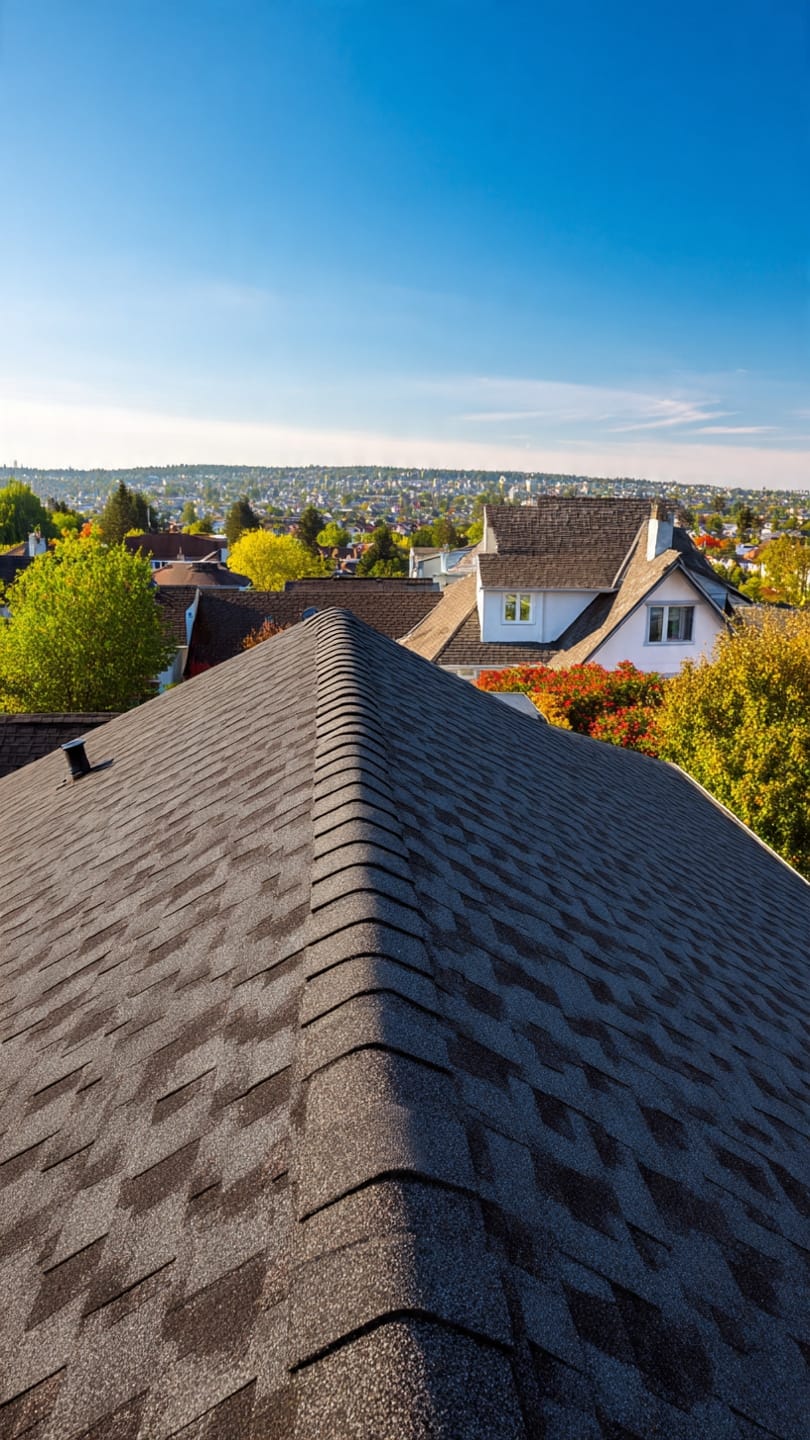
A roof is one of the most important components of any home. It protects the interior from rain, wind, sunlight, and changing temperatures while contributing to energy efficiency and structural stability. Although homeowners often notice the roof only when problems arise, it works continuously to safeguard every part of the property.
As roofing materials age, exposure to the elements gradually affects their performance. Small issues such as loose shingles, damaged flashing, or worn sealants may seem minor at first but can eventually allow moisture to enter the home. Identifying these concerns early helps prevent more extensive repairs while preserving the roof’s lifespan.
Investing in residential roofing maintenance and timely improvements allows homeowners to protect their property while maintaining comfort and long-term value.
Understanding the Components of a Roofing System
A residential roof is made up of several layers that work together to keep the home protected. Roofing materials provide the outer barrier, while underlayment, decking, flashing, ventilation, and drainage systems all contribute to the roof’s overall performance. When one component begins to fail, the effectiveness of the entire system may be affected.
Proper ventilation is especially important because it helps regulate attic temperatures and reduce moisture buildup. Balanced airflow supports the longevity of roofing materials while helping improve energy efficiency throughout the home.
Understanding how these components function together allows homeowners to make more informed decisions about maintenance and repairs.
Early Signs of Roofing Problems
Roofing issues often develop gradually rather than appearing overnight. Missing shingles, curling edges, cracked flashing, moss growth, or excessive granules collecting in gutters can all indicate that the roof requires professional evaluation. Even if leaks have not yet developed, these warning signs should not be ignored.
Inside the home, water stains on ceilings, peeling paint, damp attic insulation, or musty odors may suggest that moisture has already entered the roofing system. Prompt attention helps limit additional damage to insulation, framing, and interior finishes.
Regular inspections make it easier to identify developing concerns before they require more extensive restoration.
Weather Has a Lasting Impact
Every season presents different challenges for residential roofing. Heavy rainfall tests the roof’s ability to shed water efficiently, while strong winds can loosen shingles and flashing. During summer, prolonged exposure to ultraviolet rays gradually breaks down roofing materials, and winter freeze-thaw cycles may create stress around vulnerable areas.
Storms can also introduce debris that damages shingles or blocks drainage systems. Even when no obvious damage is visible, severe weather may weaken roofing components that deserve professional inspection.
Understanding how weather affects roofing helps homeowners plan preventive maintenance before small issues become costly repairs.
Why Preventive Maintenance Matters
Routine maintenance extends the life of a roofing system while reducing the likelihood of unexpected repairs. Cleaning gutters, removing debris, trimming overhanging tree branches, and scheduling periodic inspections all contribute to better roof performance.
Professional inspections allow contractors to identify worn materials, damaged flashing, deteriorated sealants, and ventilation concerns before they affect the home’s structure. Correcting these issues early often costs significantly less than repairing water damage caused by neglected roofing problems.
A proactive maintenance schedule helps homeowners protect both their roof and their overall investment.
When Roof Replacement Becomes Necessary
Every roof eventually reaches the end of its service life. While maintenance can extend its longevity, aging materials may no longer provide dependable protection after years of exposure to changing weather conditions. Frequent repairs, widespread deterioration, or recurring leaks often indicate that replacement should be considered.
Planning for replacement before complete failure occurs gives homeowners more flexibility when selecting materials, establishing budgets, and scheduling work. A well-planned project helps minimize disruption while ensuring the new roofing system meets current performance expectations.
Replacing an aging roof also creates an opportunity to improve ventilation, drainage, and energy efficiency.
Selecting Quality Roofing Materials
Today’s homeowners can choose from a variety of roofing materials, each offering unique benefits. Asphalt shingles remain a popular option because they balance affordability, durability, and design flexibility. Metal roofing provides exceptional longevity and weather resistance, while tile and composite products offer distinctive appearances with reliable performance.
Material selection should consider local climate, maintenance preferences, architectural style, and long-term goals. Choosing products suited to the home’s environment helps maximize durability and overall value.
Professional guidance allows homeowners to compare available options based on both immediate needs and future performance.
The Value of Professional Installation
Even premium roofing materials cannot perform as intended without proper installation. Accurate placement, secure fastening, effective flashing, and proper ventilation all contribute to a roofing system that protects the home reliably over many years.
Experienced residential roofing services Rockland County follow established installation practices while carefully inspecting underlying structural components before beginning work. This attention to detail helps reduce the likelihood of future leaks, premature wear, and unnecessary repairs.
Professional workmanship provides homeowners with greater confidence that their roofing investment will continue delivering dependable performance through changing weather conditions.
Final Thoughts
Residential roofing plays a vital role in protecting every aspect of a home, from structural integrity to indoor comfort and energy efficiency. Understanding how roofing systems function, recognizing early warning signs, and maintaining a proactive approach to inspections and repairs helps homeowners avoid costly problems while extending the roof’s lifespan.
Whether maintaining an existing roof or planning for a future replacement, investing in quality materials and professional installation provides lasting value. A well-built and properly maintained roof continues protecting the home, improving curb appeal, and supporting comfortable living for many years to come.