For most residential pools, start with two or three robot runs a week during swim season. That is enough to keep dirt, leaves, insects, and pollen from sitting in the water for days.
Still, the number is not universal. A pool used daily may need daily cleaning. A covered pool may need one run a week.
Start With Two or Three Runs
Two or three weekly cycles work well for an average family pool. Run one after the weekend, one midweek, and one before guests. This keeps cleaning light instead of letting debris build into a bigger job.
If you are comparing a self cleaning pool vacuum, think about frequency before features. The most useful cleaner is the one you can run often without making the routine annoying.
Adjust When Conditions Change
Kids swimming every afternoon, rental guests, pool parties, and hot weather create more oils, sunscreen residue, and debris. In those weeks, daily or near-daily cleaning may make sense.
Trees, wind, dust, sand, bugs, grass clippings, and pollen can make a clean pool look dull fast. After storms, remove large debris by hand first, then run the robot. If the basket fills quickly, run another cycle the next day.
For low-debris pools, one or two weekly runs may be enough. For average pools, stay with two or three. For heavy use, leaf fall, dusty weather, or pool events, move up to four to seven runs.
How Beatbot Sora 70 Helps Build a Weekly Rhythm
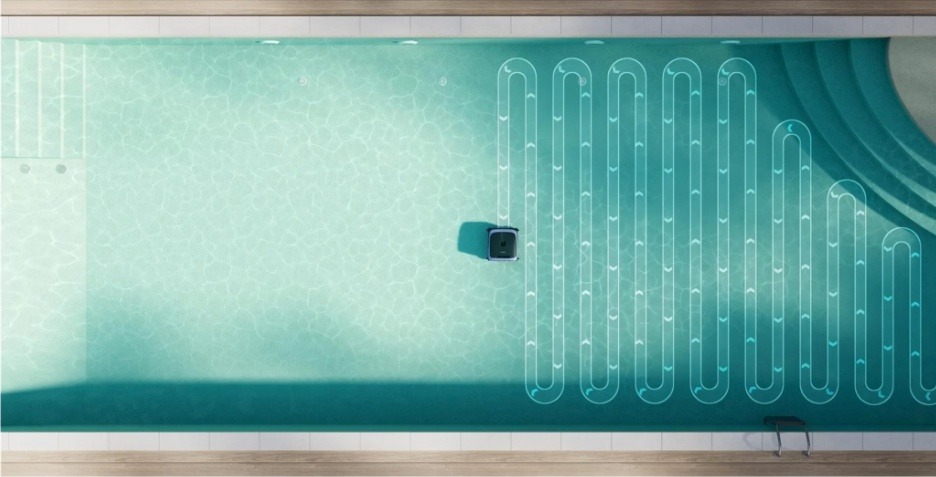
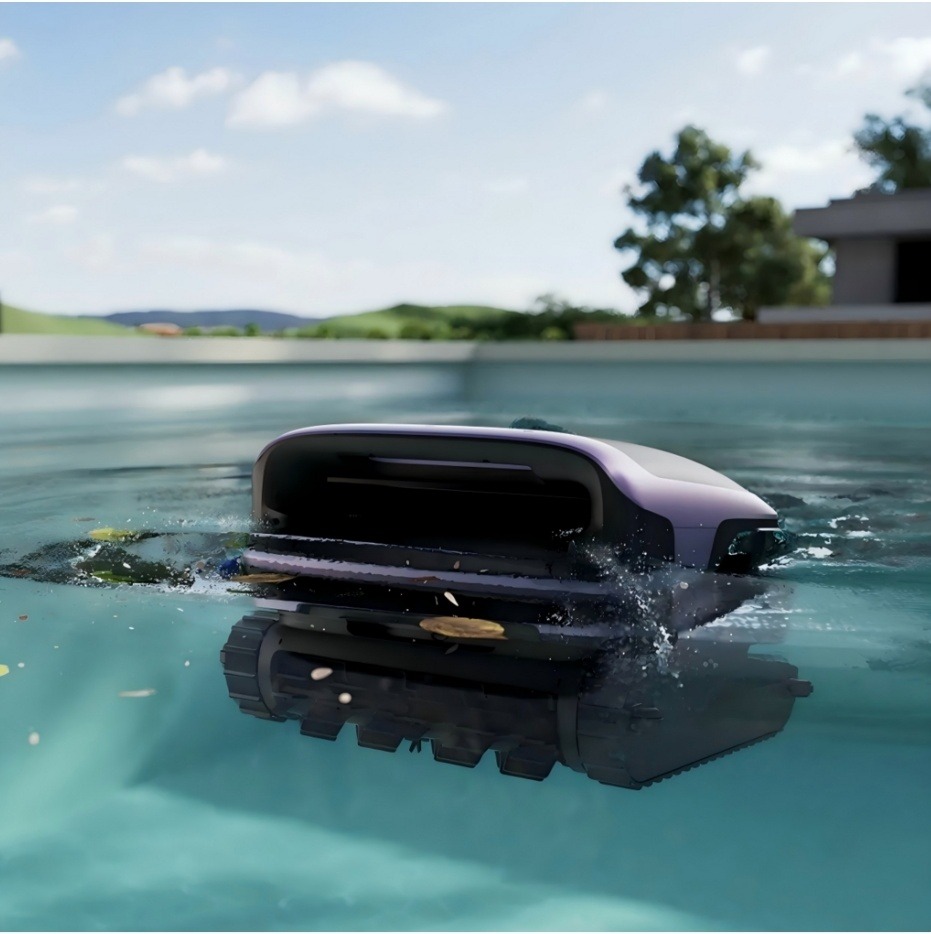
Beatbot Sora 70 fits this question because it works well as a schedule helper, not just a cleaning machine. A homeowner can use it two or three times in a normal week, then add a cycle after mowing, windy weather, a weekend swim, or a small gathering. Beatbot describes Sora 70 as a cordless pool vacuum that can clean the surface, floor, waterline, and walls, with Smart S path navigation, five cleaning modes, and coverage up to 3230 sq ft. That helps when the same pool needs light maintenance one week and a heavier reset the next.
When comparing a pool cleaning robot, remember that the right schedule also protects the device. Empty the basket after each run, rinse filters, charge and store it.
Run It More Often, But Not Mindlessly
Run the robot more often when debris sits on the floor, leaves stay on the surface, waterline marks appear, or the basket is full after each cycle. Run it less often if the pool is clean and the basket comes out nearly empty.
Robotic cleaning supports clarity, but it does not replace water testing, pH balance, filtration care, basket cleaning, large debris removal, safety rules, or professional help for leaks, algae, stains, scale, equipment faults, or cloudy water.
For most pool owners, two or three times a week is the right starting point. Adjust from there based on use, weather, debris, and season.