Portable power stations have become a go‑to backup solution for home emergencies, RV trips, camping, and work on the move. One of the first questions buyers ask is how long a portable power station actually lasts. You may want to know how many years the battery will serve you and how many hours it can power your devices on a single charge. Both points matter when you compare different brands and models. Battery chemistry, charge cycles, charging speed, and how you care for the unit all play a role. By understanding these factors, you can choose the right power station and get more value over time. This guide explains lifespan, practical runtimes, and ways to extend battery life.
What Affects Portable Power Station Lifespan?
Battery Type and Charge Cycles
Battery chemistry sets the baseline for how long a portable power station will last. Traditional lithium‑ion NMC batteries often deliver around 500–800 cycles before dropping to about 80% capacity. Modern LiFePO₄ batteries, used in many newer power stations, can reach 3,000–6,000 cycles or more to 80% capacity, depending on the brand and design. That means you can use and recharge the battery daily for years with less noticeable degradation. Charge cycles measure full charge and discharge, not every small top‑up. If you use 50% of the battery one day and 50% the next, that equals one full cycle. More cycles at a high retention level mean a longer practical lifespan.
Usage Habits and Maintenance
How you use and care for a portable power station strongly influences its lifespan. Running the battery down to 0% all the time and then charging it to 100% at maximum speed stresses the cells. Heavy loads at high temperatures do the same. Better habits include keeping the battery between about 20% and 80% when possible and avoiding constant operation at full output. Storage matters as well. Leaving the unit fully discharged for months can cause deep‑discharge damage. Leaving it in a hot car or damp shed also speeds up aging. Instead, store your power station in a cool, dry place and top it up every few months when not in use.
How to Make a Portable Power Station Last Longer
Proper Charging and Storage Tips
Proper charging and storage habits help your portable power station last longer. Avoid letting the battery sit at 0% for long periods. If you drain it during an outage or trip, recharge it soon after. For regular use, try not to fast charge every single time if you are not in a hurry, as slower charging can be gentler on the cells. When storing the power station for weeks or months, keep it around 30–60% charge instead of completely full or empty. Place it in a cool, dry location away from direct sunlight and moisture. Every three to six months, check the battery level and top it up if needed. These simple habits reduce cell stress and slow capacity loss over the years.
Choosing the Right Capacity for Your Needs
Choosing the right capacity reduces strain on your portable power station and extends its lifespan. Start by listing the devices you plan to power: phones, laptops, CPAP machines, fridges, power tools, or heaters. Check each device’s wattage and estimate how many hours you need to run them. Then calculate the total watt‑hours you require. Select a power station with some headroom above that number, so you do not constantly push it to its maximum output. For example, if you need around 500Wh per day, consider a unit in the 700–1,000Wh range, especially for home backup. For RVs or whole‑home use, modular or expandable systems can grow with your needs. A properly sized power station runs more efficiently and avoids heavy stress that accelerates wear.
Why EcoFlow Portable Power Stations Are Reliable
Fast Charging and Long Battery Life
EcoFlow integrates fast‑charging technology so users can recharge quickly and stay prepared. Many models support high‑speed AC charging that brings the battery from low to around 80% in roughly an hour, depending on the unit. This quick turnaround is useful during short outage windows or fast‑moving trips.At the same time, EcoFlow designs its batteries and BMS to support a long cycle life. The system manages voltage, current, and temperature to prevent overcharging and overheating. With this protection, the battery can deliver thousands of cycles while staying close to its original capacity. Users get both convenience and durability, which makes EcoFlow power stations suitable for regular use and backup.
Smart Features and Expandable Capacity
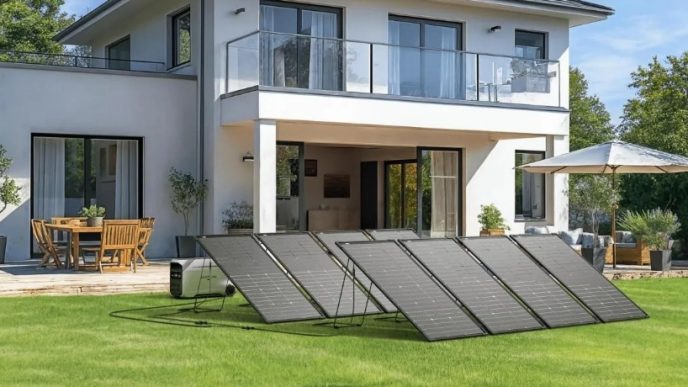
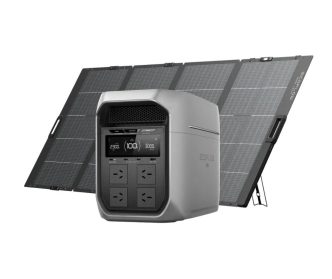
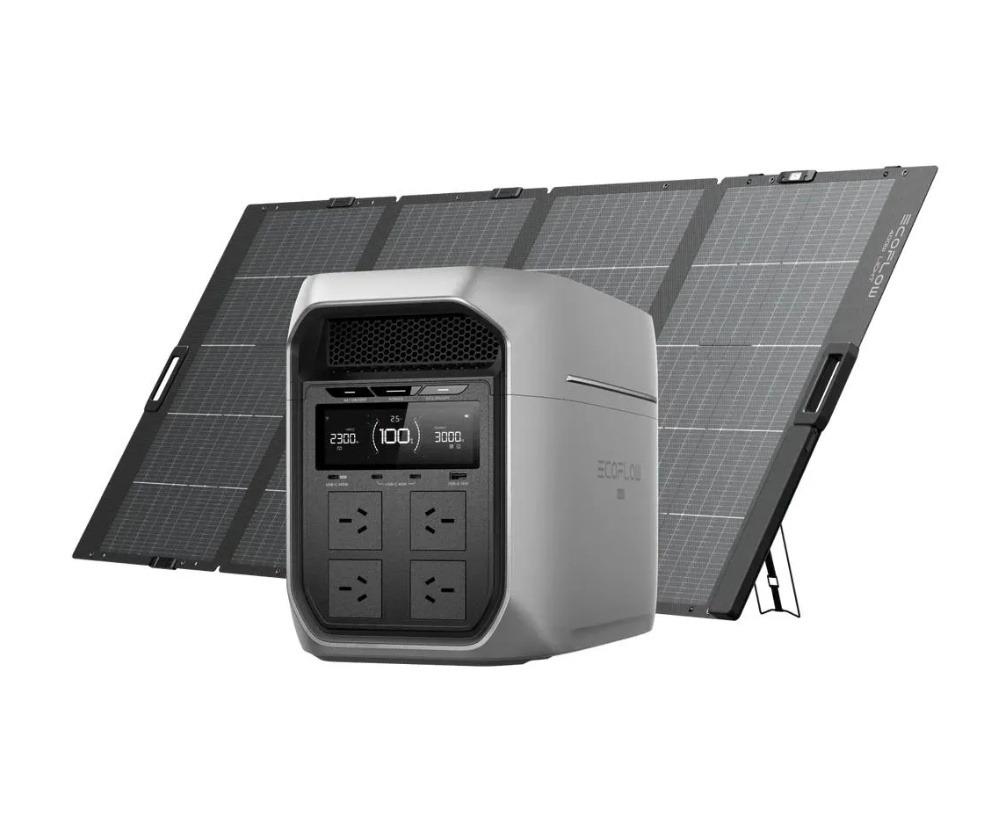
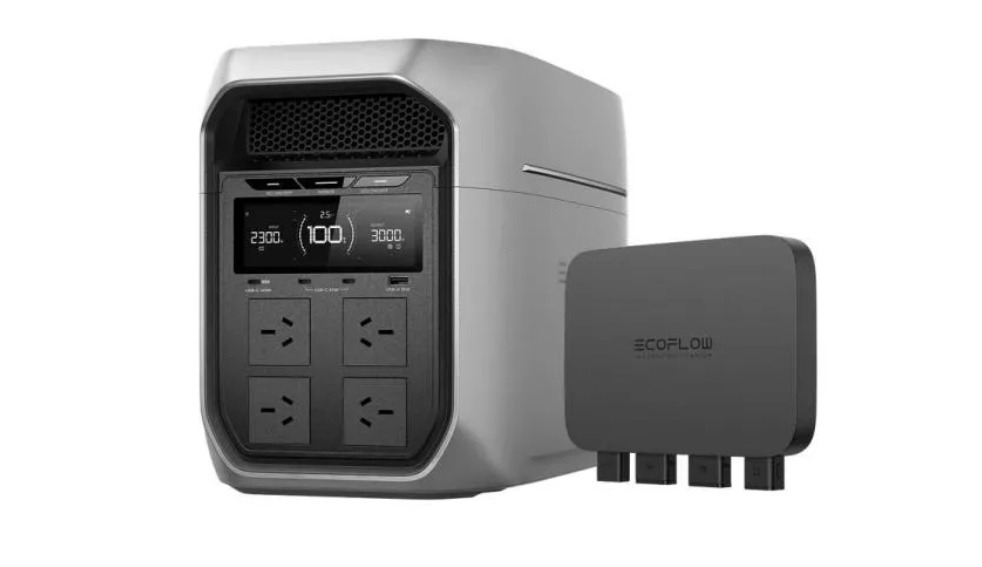
EcoFlow portable power stations offer smart features that help users manage energy more effectively. Through the companion app, you can monitor input and output power, track remaining runtime, and adjust settings such as charging speed or AC output limits. These tools let you avoid overloads and tailor performance to your needs, which indirectly supports longer battery life.Many EcoFlow systems also provide expandable capacity. You can connect extra batteries or integrate solar panels to increase total storage and runtime. This flexibility lets you start with a smaller system and upgrade as your power demands grow, without replacing the entire station. Smart control and modular expansion together create a future‑proof backup and off‑grid power setup.
Conclusion
A portable power station’s lifespan depends on battery chemistry, cycle rating, usage habits, and build quality. LiFePO₄ batteries and strong battery management systems usually offer the longest service life, delivering thousands of cycles with slow capacity loss. You can extend that lifespan by avoiding deep discharges, extreme temperatures, and long periods of storage at 0% or 100% charge. Choosing a unit with the right capacity for your devices also reduces stress on the system. EcoFlow portable power stations pair long‑lasting batteries with fast charging, smart monitoring, and expandable capacity, making them a solid choice for home backup and outdoor power. With proper care and sizing, a quality power station can provide reliable energy for many years.