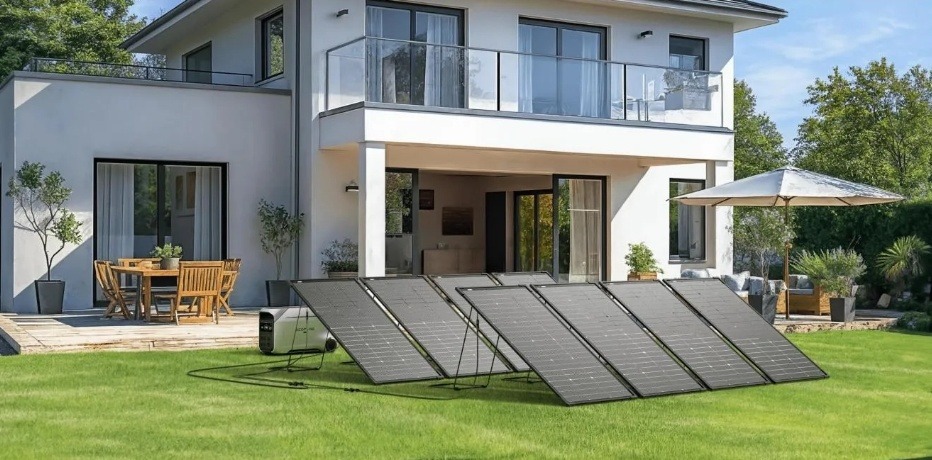
Solar panels can do more than cut your power bill. With the right backup setup, they can also keep your home running when the grid goes down. Many people think panels alone will provide power in a blackout, but most standard grid-tied systems shut off for safety. To stay powered, you need solar panels, a hybrid or off-grid inverter, and batteries that store energy for later use. During an outage, a well-designed solar backup system can keep lights on, charge phones, run Wi-Fi, and even power fridges or medical devices. The system works by separating your home from the grid, then using stored and real-time solar energy to feed key circuits. This guide explains how solar backup systems work, what affects their performance, and how to choose panels that fit your home’s emergency power needs.
How a Solar Backup System Powers a Home
Solar Panels Capture Energy
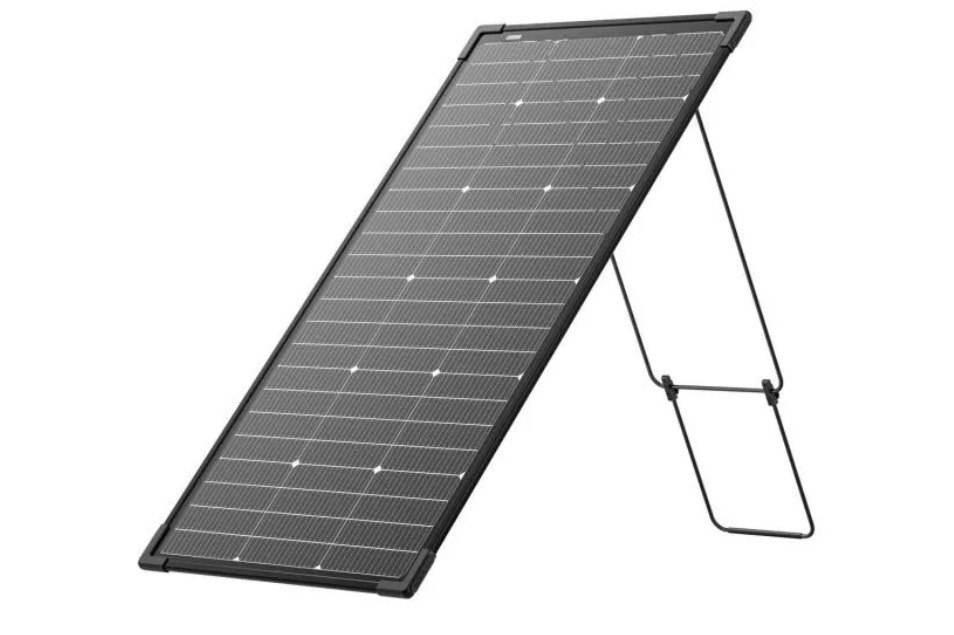
Solar panels capture sunlight and convert it into direct current (DC) electricity. Each panel contains many photovoltaic cells made from semiconductor materials. When light hits these cells, electrons move and create an electric current. Panels on your roof or in your yard connect together in “strings” to form an array. During an outage, the panels still produce power as long as the sun shines. That DC power flows to your inverter and batteries. The more panels you have, and the stronger the sun, the more backup energy your system can generate.
The Inverter Sends Electricity to Appliances
The inverter acts as the control center of your solar backup system. It converts DC power from panels and batteries into alternating current (AC), which your home appliances use. In a grid-tied system with backup, the inverter detects when the grid fails and automatically switches your home to backup mode. Once in backup mode, the inverter sends AC power only to the circuits you selected as “critical loads.” It also decides when to charge or discharge the batteries. A smart inverter balances solar input, battery level, and your real-time usage.
Factors That Affect Solar Backup Performance
Solar Panel Size and Output
Solar panel size and output determine how much energy your system can produce each day. Output is measured in watts, and total system size is usually expressed in kilowatts (kW). A larger kW system captures more sunlight and can recharge batteries faster after an outage. However, actual production depends on roof orientation, tilt, shading, and local weather. South-facing, unshaded roofs usually perform best. When planning for backup, installers often size the array to cover daily essential loads rather than full-house usage, balancing cost, space, and real-world needs.
Battery Capacity and Storage Time
Battery capacity, measured in kilowatt-hours (kWh), shows how much energy you can store for outages. Higher capacity means longer runtime, especially overnight or on cloudy days. Usable capacity is usually less than total capacity, depending on the battery’s depth-of-discharge rating. To estimate storage time, you compare battery kWh with your average essential load per hour. For example, a 10 kWh battery backing a 1 kW essential load could last roughly ten hours. Multiple batteries can be linked together to increase storage, but costs and space requirements rise accordingly.
Choosing the Right Solar Panels for Home Backup
Portable Solar Panels for Flexible Use
Portable solar panels suit homeowners who want flexible, temporary backup power. They fold or roll for storage and can be carried to wherever the sun is best. When paired with a portable power station, they create a plug-and-play backup system ideal for apartments, renters, or small homes. You can use portable panels to charge phones, laptops, lights, and small medical devices during outages. They also work well for camping, RVs, and sheds. While they don’t usually power large appliances, they provide valuable energy when you lack access to the grid.
Rigid Solar Panels for Long-Term Installation
Rigid solar panels mount permanently on roofs, carports, or ground racks and form the backbone of most home backup systems. They deliver higher output, better durability, and longer warranties than most portable options. Once installed, they work year-round to lower your bill and charge your batteries. Rigid panels pair well with hybrid inverters and wall-mounted battery systems. Electricians connect them into your home’s electrical panel, where they can support both everyday usage and emergency circuits. For homeowners seeking long-term resilience and strong return on investment, rigid panels are usually the best choice.
Conclusion
Solar panels can keep your home running during outages when you combine them with the right backup components. A properly designed system uses panels, a smart inverter, and batteries to supply clean power to critical circuits while safely disconnecting from the grid. System performance depends on solar array size, battery capacity, your energy habits, and local conditions. Thoughtful planning, realistic expectations, and smart load management help your backup power last longer. When choosing panels, consider portable options for flexible, small-scale backup and rigid panels for long-term, whole-home resilience. Pair them with reliable batteries and a quality inverter to build a system that fits your budget and needs. With the right setup, your solar investment does double duty: it cuts monthly bills and provides peace of mind when the lights go out.