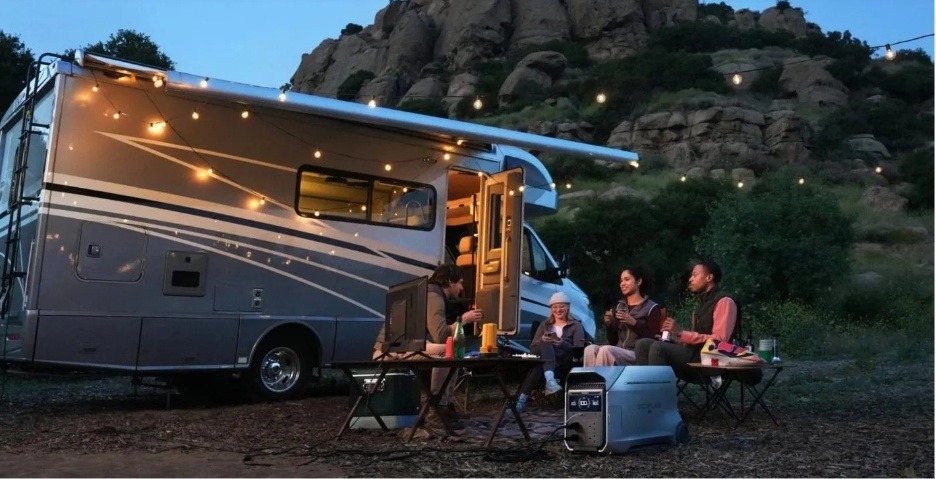
Camping feels better when you know your devices will not die halfway through the trip. A portable power station keeps lights on, phones charged, and small appliances running without noisy generators. To choose the right model, you need to match its power and features with your camping style. Think about how long you stay outdoors, what you plug in, and how often you move camp. This guide explains key specs like battery capacity, output, weight, and charging speed, then recommends options for solo campers, families, and long-term outdoor stays.
Understand Your Camping Power Needs Before Buying
Calculate the Wattage of Your Devices
Start by listing every device you plan to use: phone, camera, lanterns, mini-fridge, fan, or CPAP machine. Check each item’s watt rating, usually printed on a label or in the manual. A phone charger might use 10–20W, a laptop 60W, and a small fridge 60–100W. Add the watts of devices you might run at the same time. This total tells you the minimum continuous output your camping power station needs, and whether it must handle higher surge watts when appliances start.
Estimate How Long You Need Power Each Day
Power needs depend on how many hours you use each device. Estimate daily use: maybe a fridge runs eight hours, lights four, phones two. Multiply each device’s watts by its daily hours to get watt-hours (Wh). Then add everything. This total shows how much energy you need from your battery in one day. If you camp off-grid for several days, factor in limited sun or car charging. A larger battery or expandable capacity helps when you cannot recharge every day.
Key Features to Look for in a Camping Power Station
Battery Capacity and Power Output Explained
Battery capacity, measured in watt-hours (Wh), shows how much energy the station stores. Higher Wh means more runtime. Power output, shown in watts (W), tells you how much power it can deliver at once. For example, the EcoFlow DELTA 3 Plus portable power station offers 1024Wh capacity, expandable to 5kWh, with 1800W AC output and up to 2400W (3600W surge) using X-Boost. That supports multiple devices or one demanding appliance. Match capacity to trip length and output to your highest-watt device.
Portability, Weight, and Compact Design
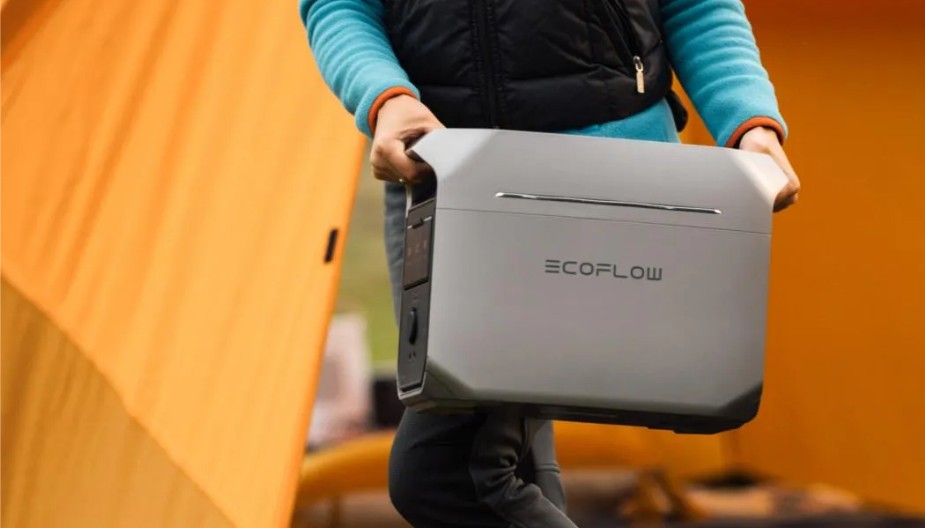
A camping power station should be easy to carry from the car to the campsite. Check weight, handle design, and overall size. Solo hikers or minimalist car campers often prefer compact units under 20 pounds, even with lower capacity. Family campers who stay put can manage heavier but more powerful models. Look for a sturdy handle, balanced weight, and a tough shell that handles bumps. A compact design fits in trunks with tents and coolers, making packing and unpacking less stressful.
Charging Speed and Solar Charging Support
Fast charging lets you top up your power station between activities. Check how long it takes to charge from AC, car, or solar panels. Some models, like the EcoFlow DELTA series, support rapid AC charging, which helps when you only have a few hours at home or at a powered campsite. If you camp off-grid, solar charging matters. Make sure the power station supports solar input with a suitable watt range, compatible connectors, and an MPPT controller for better efficiency.
Best Portable Power Station Options for Different Camping Styles
Lightweight Options for Solo Campers
Solo campers often carry less gear and value a light, compact power station that still covers essentials. Look for 200–500Wh capacity and enough output for phones, headlamps, cameras, and maybe a small fan. USB-C ports help fast-charge phones and tablets. A built-in LED light can reduce the need for extra gear. Choose models under 15–20 pounds with a comfortable handle. If you mostly camp on weekends, a modest battery and a quick AC recharge at home usually feel more practical than a huge capacity.
Reliable Choices for Family Camping Trips
Family trips usually involve multiple phones, tablets, lights, and maybe a mini-fridge or electric cooler. A 700–1500Wh station with around 1000–1800W output covers most family needs. Here, the EcoFlow DELTA 3 Plus Portable Power Station fits well, with 1024Wh capacity, 1800W AC output, and X-Boost up to 2400W (3600W surge) for short peaks. It can handle several devices at once, plus small cooking appliances. Add solar panels or car charging so you can recharge during the day while the family explores.
High-Capacity Models for Long Outdoor Stays
Long off-grid stays, overlanding, or base camps demand more energy and flexibility. Look for power stations with at least 1500Wh and the option to expand capacity. The EcoFlow DELTA 3 Plus Portable Power Station, with its 1024Wh base expandable to 5kWh, works well here when paired with extra batteries and solar panels. High continuous output and strong surge handling support power tools, electric coolers, or CPAP machines. These setups suit people who stay in one spot longer and want near-home comfort outdoors.
Conclusion
Choosing the right portable power station for camping starts with your real needs, not just big numbers. First, calculate the wattage of your devices and how many hours you use them each day. Then match those needs with battery capacity, output, and charging options. Solo campers can travel light with smaller units, while families and long-term campers benefit from models like the EcoFlow DELTA 3 Plus Portable Power Station, which combine solid capacity, strong output, and expandability. When you balance power, portability, and budget, your camping trips become more relaxed and comfortable.