Selling or promoting a property that hasn’t been built yet is one of the biggest challenges in the real estate business. Without a physical space to show, developers and agents must rely entirely on imagination—and that’s where many deals fall apart. Buyers hesitate when they can’t clearly visualize what they’re investing in. This uncertainty slows down decision-making, weakens marketing efforts, and can delay project funding.
However, modern technology has changed this dynamic. With 3D architectural visualization and 3D exterior rendering, real estate professionals can present unbuilt properties as if they already exist. These tools bridge the gap between concept and reality, allowing potential buyers and investors to see, feel, and emotionally connect with a project long before construction begins.
3D architectural visualization is the process of creating highly realistic digital representations of buildings and spaces before they are constructed. Using specialized software, designers develop detailed 3D models that include materials, lighting, landscaping, and environmental context to accurately reflect how a project will look in real life.
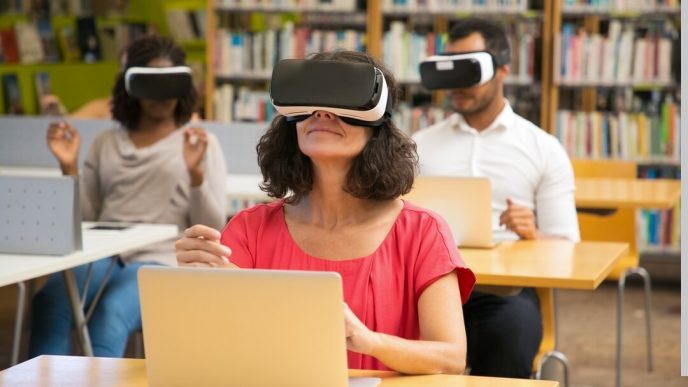
These visualizations go far beyond traditional drawings or static floor plans. They replicate real-world conditions such as different times of day, seasonal changes, and various viewing angles, offering a complete understanding of the design. This creates a powerful immersive property showcase, allowing potential buyers and investors to experience a future development as if it already exists, transforming abstract concepts into engaging, easy-to-understand visual experiences.
The power of 3D exterior rendering
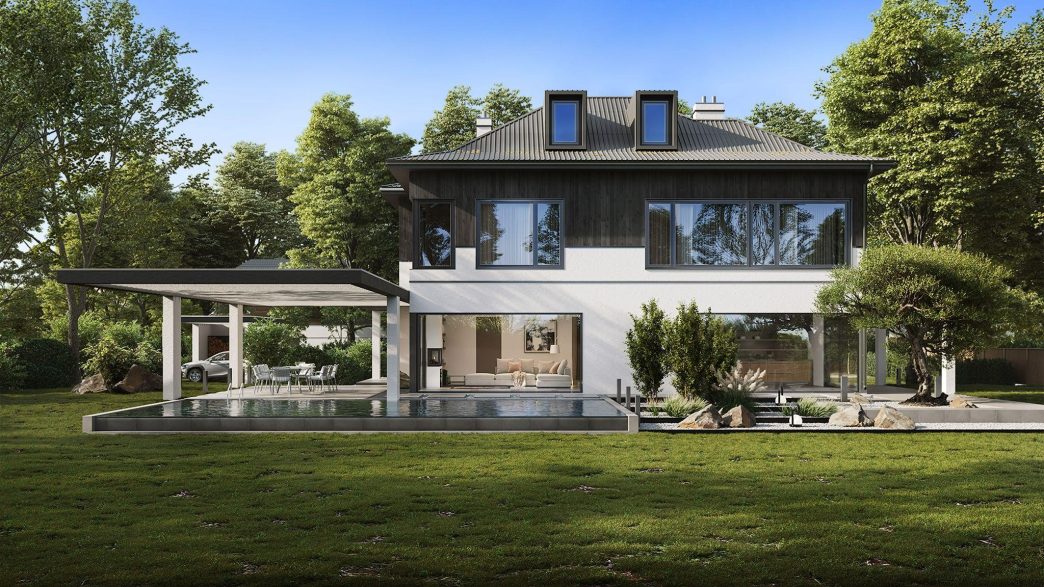
Among the most impactful tools in this field is 3D exterior rendering. It focuses on a property’s exterior, showcasing architectural design, façades, surroundings, and the overall atmosphere.
High-quality exterior renderings can present a building in its best possible light—literally and figuratively. They can include elements such as landscaping, vehicles, people, and city context to create a complete and appealing scene. This helps potential buyers understand not just the building itself, but also how it fits into its environment.
For real estate marketing, first impressions matter. A compelling exterior rendering can capture attention instantly and encourage potential clients to explore the project further.
Building trust through realistic visualization
One of the biggest advantages of 3D visualization is its ability to build trust. When buyers see a realistic representation of a future property, they feel more confident in the project. It reduces uncertainty and investors feel more secure.
Transparency also improves. Developers can clearly show design details, materials, and layouts, minimizing the risk of misunderstandings later. This leads to better communication between all parties involved and fewer conflicts during or after construction.
Enhancing marketing strategies
3D architectural visualization is not just a design tool; it is a powerful marketing asset. High-quality renderings can be used across multiple channels, including websites, social media, online listings, and advertising campaigns.
Instead of relying on generic descriptions, real estate professionals can showcase visually engaging content that captures attention and drives interest. Renderings can also be tailored to different target audiences by adjusting styles, lighting, or surroundings to match specific preferences.
Selling before construction begins
One of the most valuable benefits of 3D rendering is the ability to start selling properties before construction is completed or even started. This is especially important for developers who rely on pre-sales to secure funding and demonstrate demand.
By presenting realistic visualizations, developers can market their projects early and attract buyers or investors with confidence. This accelerates the sales process and reduces financial risk.
Supporting better decision-making
3D visualization also helps both buyers and developers make better decisions. Buyers can evaluate design options, layouts, and surroundings more effectively, ensuring that the property meets their needs and expectations.
Developers, on the other hand, can test different design concepts and make improvements before construction begins. This reduces costly changes later and leads to a more refined final product.
The role of emotion in real estate
Real estate decisions are not purely logical—they are deeply emotional. Buyers want to imagine themselves living, working, or investing in a space. 3D exterior renderings help create that emotional connection by presenting properties realistically and appealingly.
A well-crafted rendering can evoke feelings of comfort, luxury, excitement, or security. It tells a story about the property and its potential, making it easier for buyers to envision their future there.
In conclusion, presenting a property that doesn’t exist yet is no longer an impossible task. With 3D architectural visualization and 3D exterior rendering, real estate professionals can transform concepts into compelling visual experiences. These tools improve communication, build trust, and enable faster, more effective sales.
Also read: 10 things to know before starting a real estate business