
Technology affects nearly every part of life now. From how we work and communicate to how we solve problems and innovate; technology skills are increasingly important. But as technology changes, the way people learn those skills is changing too.
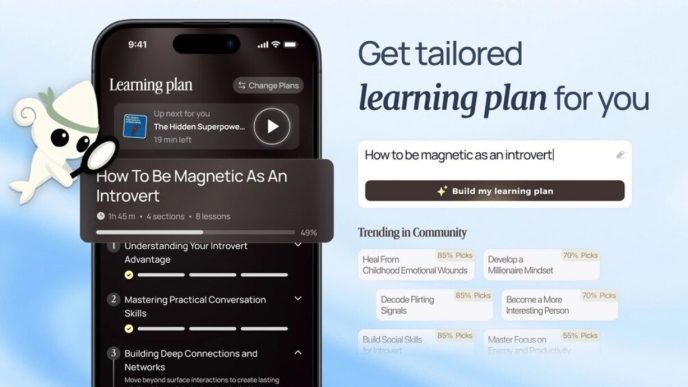
Classrooms are no longer the only place to gain valuable tech knowledge. Online courses, micro-credentials, bootcamps, community groups, and self-paced learning platforms are playing a bigger role than ever. People of all ages are constantly learning new tools, languages, and systems just to stay current. Online learning platforms are also gaining traction among learners seeking practical, skills-based education, with learners able to download The Real World app to access courses, mentorship, and online communities focused on digital skills and entrepreneurship from virtually anywhere.
This shift has triggered new trends in tech education — trends that focus on flexibility, real-world skills, practical experience, and continuous growth. Whether someone is starting from scratch, switching careers, or upgrading skills, there are more pathways than ever to becoming competent and confident in tech.
Let’s explore how technology education is evolving and what this means for learners of all backgrounds.
Technology Is Changing Faster Than Traditional Classrooms
In the past, students typically learned in brick-and-mortar schools, following long degree programs before entering the workforce. That model still matters for foundational knowledge, but it doesn’t always keep pace with the speed of innovation.
Tech fields evolve so quickly that what you learned two years ago might already be outdated. This has pushed educators and learners to rethink how knowledge is delivered and updated.
Now, learning is:
- Continuous — people learn throughout their careers
- Modular — skills are broken into smaller, stackable chunks
- Skill-focused — emphasis is on usable capabilities, not just theory
This is a shift from degrees as entry keys to demonstrated skills as proof of readiness.
Online Learning Isn’t One-Size-Fits-All — It’s Personalized
Today’s digital learning platforms offer a range of options:
- Structured online courses
- Micro-modules focused on specific tools
- Interactive live sessions
- Self-paced video lessons
- Practical projects and labs
Learners can choose based on their schedules, goals, and pace preference. For example, someone may only need a short course on cloud architecture for their job, while another person might pursue a series of cybersecurity classes to change careers.
This flexibility empowers learners to tailor their education around actual needs, not rigid curriculums.
Skills Now Matter More Than Degrees in Many Tech Jobs
Many employers now shortlist candidates based on skills, portfolios, and demonstrated ability rather than just degrees. Hiring managers increasingly value:
- GitHub projects
- Real-world solutions
- Coding challenges
- Portfolio websites
- Collaborative teamwork experience
This has opened doors for self-taught learners, bootcamp graduates, and professionals who switch careers later in life.
At the same time, formal degrees still hold value, especially for deep theoretical understanding or advanced research roles. The trend, however, is toward skill-proof over degree-proof.
The Role of Bootcamps and Short Programs
Bootcamps and short programs have grown rapidly because they are:
- Time-efficient
- Focused on job connections
- Designed with industry input
- Project-based
- Flexible for adult learners
These programs often work closely with employers and focus on real tasks developers, analysts, or engineers face in everyday work.
Learners complete hands-on projects, build real portfolios, and often receive career support for job placement.
Learning Through Practice Beats Passive Watching
Passive watching of lectures is less effective than active participation.
Higher retention happens when learners:
- Write real code
- Build actual applications
- Solve problems with tools used in industry
- Collaborate on group projects
- Practice with mentors
Interactive learning makes tech education feel less abstract and more practical.
Employers Are Partnering with Educators
Many tech companies now partner with online platforms and educational institutions to shape training programs. They want graduates to arrive with the skills they actually need on the job.
Examples include:
- Real employer projects embedded in coursework
- Direct feedback from industry practitioners
- Certifications recognized by hiring managers
These partnerships help reduce the gap between classroom learning and workplace expectations.
Tech Education Is Not Just for Young People
People of all ages are learning technology — and that’s changing workplaces.
Mid-career professionals reskill to remain competitive. Career changers enter tech from other industries. Retirees experiment with coding for personal projects or freelance work.
The learning model is now lifelong rather than front-loaded at an early age.
The Availability of Free and Low-Cost Resources
Not everyone can afford expensive degrees or bootcamps. Fortunately, a large ecosystem of free or low-cost resources has emerged:
- Open courseware
- YouTube tutorials
- Community discussion groups
- Free code labs
- Scholarship programs
This democratization of learning helps talented individuals reach opportunities without huge financial burden.
If you’re curious about emerging education practices, trends, and how learners are navigating evolving tech pathways — including industry shifts and strategic approaches — this detailed guide to tech education trends and learning strategies offers real insights from experience and research.
This resource highlights how learners today approach digital education in context with industry needs and evolving tools.
The Rise of Project-Based Portfolios
Employers increasingly review portfolios before resumes in tech roles. Portfolios showcase:
- Practical problem solving
- Clean, documented code
- Completed real tasks
- Custom projects that reflect individual strengths
A portfolio tells a story about what you can do, not just what you studied.
Whether it’s a GitHub repository, a website, a data science dashboard, or a mobile app, portfolios help hiring managers see actual ability.
Micro-Credentials and Stackable Certificates
Instead of chasing long degrees, learners now collect:
- Micro-credentials
- Nano-degrees
- Badges
- Certificate programs
These are often recognized by employers and can stack together to replace longer programs.
For example, someone might complete certificates in:
- Python programming
- Cloud fundamentals
- Data analytics
- Security practices
Together, these show a multi-skill profile that aligns with real job needs.
Collaborative and Social Learning
Learning used to be solitary — watch lectures, take notes, repeat.
Now it’s social. Communities form around forums, Discord groups, Slack channels, and interactive learning hubs.
Learners ask questions, solve problems together, and support each other through challenges. This social environment reduces isolation and improves success rates.
Hands-On Labs and Simulated Environments
Platforms now offer live environments where learners can practice real tasks:
- Real servers
- Cloud sandboxes
- Shared coding spaces
- Simulation dashboards
These environments mimic workplace systems, giving learners confidence before they step into real roles.
Soft Skills Matter as Much as Hard Skills
Tech education now teaches more than coding, tools, and theory.
Important soft skills include:
- Communication
- Collaboration
- Critical thinking
- Problem analysis
- Time management
These skills help graduates succeed in team settings and adapt to evolving work cultures.
How Employers View Tech Education Today
Hiring teams typically look for:
- Relevant experience
- Problem-solving ability
- Demonstrated projects
- Ability to learn continuously
- Culture fit
Degrees matter less when portfolio and practical skills speak clearly.
This has reshaped the job market and opened opportunities for many learners.
Lifelong Learning Is Becoming Normal
Now, people rarely view education as a phase that ends early in life. Instead, learning becomes:
- Continuous
- Adaptive
- Self-directed
- Responsive to technology changes
This makes career growth more dynamic and ongoing.
Workers update skills frequently, often in response to new tools and workflows, rather than waiting for employer-led training.
Challenges Still Exist
Even with all these changes, challenges remain:
Accessibility Gaps
Not everyone has equal access to technology, high-speed internet, or quality learning systems.
Overwhelming Options
With many resources available, learners may struggle to find the right path.
Self-Discipline Needed
Flexible learning demands self-direction, which can be hard without structure.
How to Make Tech Learning Work for You
To succeed, learners benefit from:
- Setting clear goals
- Choosing a learning path that matches aspirations
- Practicing with real projects
- Building connections with peers
- Seeking feedback from practitioners
- Updating skills periodically
A thoughtful approach increases chances of success.
The Future of Tech Education
As new technologies emerge — like AI, automation, and advanced cloud computing — learners will continue adapting.
Education will become more:
- Personalized
- Skill-centered
- Modular
- Collaborative
- Integrated with work experience
The distinction between learning and working will continue to blur.
Final Thoughts
Technology education is no longer limited to traditional classrooms or long degree programs. Learners now follow paths that suit their goals, build skills that employers’ value, and engage with communities that support growth. The focus has shifted to demonstrated ability, real project work, and continuous development. Anyone with drive and access to the right resources can build a meaningful career in tech. As education models continue to evolve, adaptability, creativity, and practical experience will remain the traits that define success in the digital world.