

When your lawn does not always appear to remain green, then it might not be what you see above the ground. Homeowners in Holly Springs are faced with unevenly growing grass, reappearing weeds, and hard soil despite regular attention. You may water it, cut it, and yet see that the lawn is not getting better as expected. Such signs tend to indicate poor soil health, which directly influences the ability of grass to grow and survive.
The concentration on soil enhancement can transform your lawn in the long run. When proper lawn care practices are adopted, the soil structure gets healthier, nutrients are made available, and roots become stronger. Consequently, grass begins to grow evenly and is consistent in changing conditions.
The following sections indicate that certain methods of lawn care can enhance the health of the soil and allow the regular growth of grass in Holly Springs.
1 Aeration Reduces Soil Compaction and Improves Nutrient Flow to Grass Roots

The soil in Holly Springs tends to become compact over time and thus restricts the movement of air, water, and nutrients. Through appropriate lawn care Holly Springs NC, aeration serves to loosen up this compacted soil and provide a space in which the necessary elements can access the roots. This process enables the soil to work better and sustain better turf.
When tiny holes are created in the soil, the water starts to percolate more uniformly over the lawn. Nutrients also move deeper rather than being on the surface, which enhances overall absorption. Due to this, roots are provided with stable support to grow steadily.
As time goes on, better soil structure will enable the roots to increase without any limitation. The result is healthier grass, which is more effective in handling stress. Consequently, the lawn takes a more uniform and balanced look.
2 Balanced Fertilization and Lime Treatments Restore Essential Soil Nutrients
Healthy soil requires the appropriate balance of nutrients, which is usually disturbed over time. Fertilization adds essential components that the grass requires in order to develop, and lime treatment is used to rectify the pH levels of the soil. Combined, these treatments provide a stronger foundation for turf growth.
With a balanced soil pH, nutrients are more readily absorbed by roots. This is to make sure that the fertilization process produces consistent results and is not partially wasted. Hence, the grass starts to appear greener and denser.
Moreover, constant availability of nutrients facilitates sustained growth over the season. Grass is more sturdy and resistant to thinning or discolouration. This moderation method assists in sustaining soil fertility in the long term.
3 Proper Water Use and Lawn Treatments Strengthen Root Depth and Grass Growth
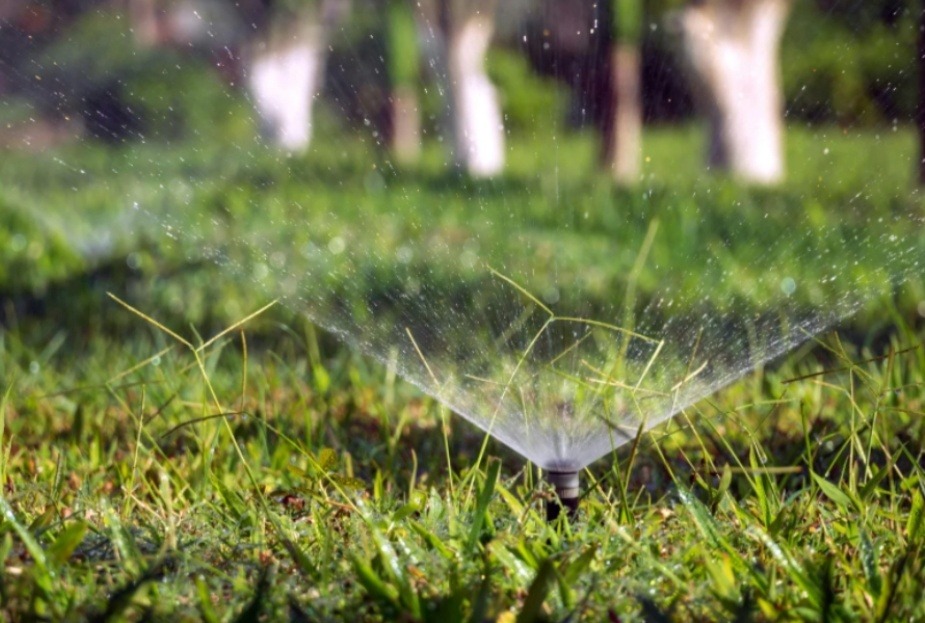
Water also contributes to the extent to which the grass roots grow over time. Once water percolates the soil to deeper levels, roots are stimulated to grow downwards rather than just remaining close to the surface. This establishes a better foundation for the lawn.
A regular supply of water helps soil retain water better. Lawn treatments also contribute to this by enhancing the ability of the soil to release and retain water. Due to this, grass is stable even in times of low rainfall.
Deep roots enable the grass to tap into the nutrients that are much deeper beneath the ground. This enhances general strength and sturdiness without involving the use of frequent surface watering. It assists the lawn in having healthier growth patterns.
4 Weed And Pest Control Preserve Soil Nutrients for Healthier Turf
Unwanted weeds compete with grass for nutrients that are already limited in the soil. If left unmanaged, they absorb essential elements that should support turf growth. Pest activity can also damage roots, weakening the lawn from below.
Effective control methods help reduce this competition and protect soil resources. When weeds are removed, nutrients remain available for grass to use efficiently. At the same time, pest management prevents damage that disrupts root function.
With fewer external pressures, grass can grow without constant interference. Soil nutrients are used more effectively, leading to better overall lawn condition. This creates a more stable and consistent growth environment.
5 Consistent Lawn Care Programs Support Long-Term Soil Stability and Greener Lawns

Soil health improves gradually and requires consistent attention throughout the year. Regular lawn care programs ensure that treatments are applied at the right time based on seasonal needs. This prevents gaps that could affect soil quality.
Ongoing care helps maintain balance between nutrients, moisture, and soil structure. Each treatment builds on the previous one, creating a steady improvement cycle. Because of this, lawns avoid sudden decline or uneven growth.
Over time, this consistency leads to stronger and more reliable turf performance. Grass remains greener and more uniform across different conditions. This long-term stability reflects improved soil health beneath the surface.
Conclusion
Improving soil health requires attention to multiple factors that work together over time. Each method plays a role in creating better conditions for grass to grow steadily and remain strong. When these practices are applied correctly, soil begins to support consistent lawn development.
As soil quality improves, visible results become easier to maintain without constant correction. A structured approach ensures that grass continues to grow evenly across seasons. This balance between care and consistency leads to a healthier and more dependable lawn.