Every time someone visits your website, they trust you with their data. Whether they are entering credit card details for a purchase, typing in a password, or simply submitting an email address, they expect that information to remain private. If you fail to protect that data, you risk losing your audience, your reputation, and your search engine visibility. This is exactly where ssl certs step in to secure your online presence.
If you manage a website, understanding how to protect your server and your visitors is a fundamental requirement. This guide will walk you through exactly what ssl certs are and why they matter for modern web security. We will explore the mechanics behind their encryption process, break down the different validation levels available, and highlight the major benefits they bring to your business.
What Are SSL Certs and Why Do They Matter?
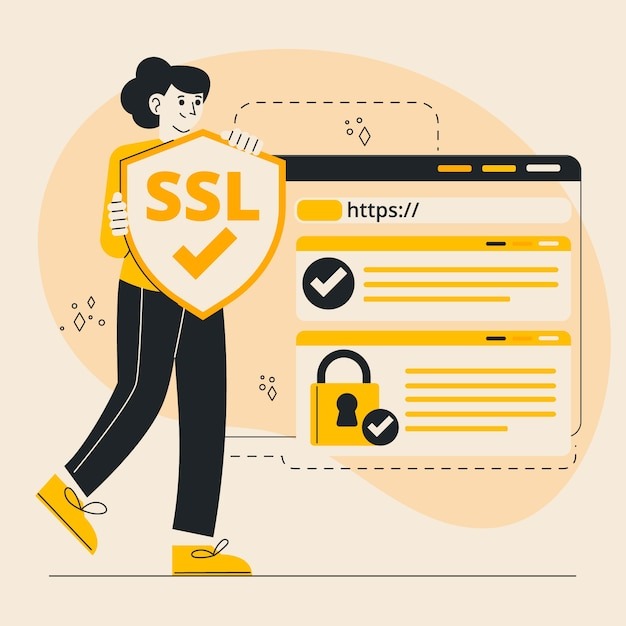
SSL certs (Secure Sockets Layer certificates) act as digital passports for websites. They are small data files that cryptographically establish an encrypted link between a web server and a browser. When you install one on your web server, it activates the padlock icon and the HTTPS protocol. This guarantees that all data passed between the web server and browsers remains private and integral.
Without these digital credentials, any data moving between the user and your server travels as plain text. This leaves the information highly vulnerable. Cybercriminals can easily intercept, read, and steal plain text data. By securing your site with ssl certs, you ensure that sensitive information remains completely unreadable to anyone except the intended server. They form the backbone of a secure internet, keeping bad actors away from your valuable customer data.
How SSL Certs Keep Data Safe
Understanding the technology behind secure connections helps you appreciate the deep protection they offer. The entire system relies on a brilliant mathematical approach called public key cryptography. This method uses two distinct, mathematically linked keys to lock and unlock data as it travels across the internet.
The Role of Public and Private Keys
When you secure your site, your server generates two cryptographic keys that work together as a pair. The public key is widely distributed and shared with any web browser that attempts to connect to your site. Its sole job is to encrypt, or lock, the data. You want this key to be public so anyone can send you secure information.
The private key, however, remains closely guarded on your secure server. This private key is the only tool capable of decrypting the information locked by its public counterpart. When a visitor lands on your site, their browser instantly requests your server’s identity. Your server responds by sending a copy of your ssl certs, which includes the public key.
The browser checks the certificate against a list of trusted authorities. Once verified, the browser uses the public key to encrypt a unique session key and sends it back. Your server then uses its private key to decrypt the session key, establishing a secure tunnel for all subsequent data transfers.
Choosing the Right Type of SSL Certs
Different websites require different levels of security and identity verification. Certificate authorities offer three primary types of certificates to meet these varying needs. Understanding these options helps you select the right fit for your business structure.
Domain Validation (DV)
Domain Validation provides the most basic level of encryption. To issue a DV certificate, the authority simply requires you to prove that you own the domain name. They do not check any organizational details or legal business registrations. Because the verification process is entirely automated, you can usually obtain a DV certificate in just a few minutes. This option works perfectly for personal blogs, portfolio sites, and simple informational pages.
Organization Validation (OV)
Organization Validation requires a more rigorous vetting process. The certificate authority steps in to manually verify your business before issuing the ssl certs. They check public government databases to confirm that your organization legally exists and operates at the listed physical address. This extra layer of verification provides users with visible proof that they are interacting with a legitimate business. Corporate web portals and platforms requiring user registration should use OV certificates.
Extended Validation (EV)
Extended Validation represents the highest standard of security and trust available. The vetting process for an EV certificate is incredibly strict and comprehensive. The issuing authority conducts deep background checks on your company’s operational history, legal standing, and domain ownership rights. While obtaining an EV certificate requires more time and financial investment, it delivers unmatched credibility. Banks, large online retailers, and financial institutions rely heavily on EV certificates.
Top Benefits of SSL Certs for Your Business
Adding encryption to your website goes far beyond technical compliance. It directly impacts how users perceive your brand and how search engines rank your pages.
Building Unshakeable User Trust
Trust serves as the currency of the internet. If visitors feel unsafe, they will quickly leave your website and seek out a more secure competitor. Valid ssl certs provide immediate visual cues that reassure your audience. Modern browsers display a prominent padlock icon next to your URL, signaling that the connection is private.
Furthermore, major web browsers now actively flag HTTP websites with stark security warnings. These warnings create immediate friction and drive potential customers away. By maintaining proper encryption, you eliminate these warnings, protect customer data, and significantly increase your conversion rates.
Boosting Your Search Engine Rankings
Search engines prioritize user safety above almost everything else. Google officially confirmed that HTTPS acts as a ranking signal in its search algorithm. This means websites secured with ssl certs receive a noticeable advantage in search engine results pages compared to their unsecured counterparts.
When you secure your site, you also reduce your bounce rate. Since visitors do not encounter frightening security warnings, they stay on your pages longer and engage with your content. Search engines notice this positive user behavior and reward your site with better visibility and higher organic traffic over time.
Conclusion
Securing your web presence is an absolute necessity for survival and growth. SSL certs form the bedrock of a safe online environment by encrypting sensitive data and verifying your digital identity. Review your current website setup today and determine which validation level best aligns with your business goals. By prioritizing encryption and installing the right certificates, you protect your customers, establish unshakable brand trust, and position your website for lasting success.