Gardening has long been a hands-on hobby, a way to connect with nature through soil, sun and sweat. For generations, the process involved guesswork, manual labor and a constant watch on the weather. Today, technology is transforming our backyards and green spaces, making garden care less about toil and more about precision. Smart tech is not here to remove the joy of gardening but to enhance it, giving you the data and tools to cultivate a healthier, more vibrant outdoor space with less effort.
From automated watering systems to powerful, lightweight tools, the modern garden is becoming an extension of the smart home. These advancements empower both seasoned gardeners and beginners to achieve professional-looking results by working smarter, not harder.
The Evolution of Garden Tools
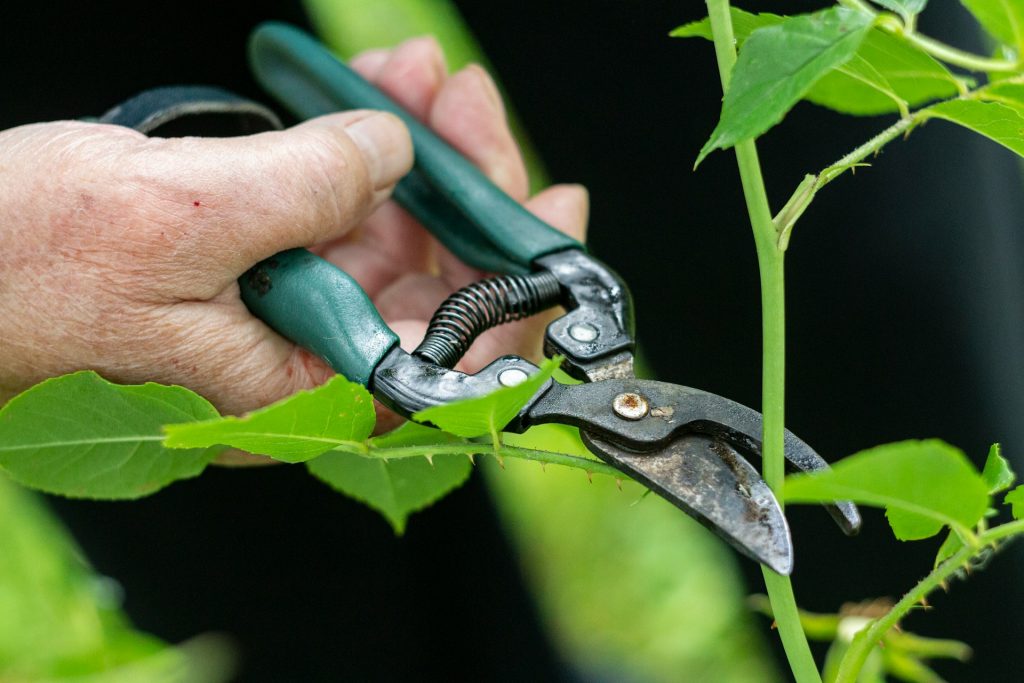
The journey of garden tools mirrors the broader story of technological progress. It began with simple, manual implements like trowels, shears, and rakes, tools that relied entirely on human effort. The 20th century introduced a major shift with the advent of gasoline-powered engines, which brought immense power to tasks like mowing lawns and trimming large hedges. While revolutionary, these machines came with significant downsides: heavy noise, noxious fumes, constant maintenance, and the hassle of mixing and storing fuel.
The next leap forward was the introduction of corded electric tools. They were quieter, cleaner and easier to start, but their reliance on an electrical outlet tethered users to the house. The length of an extension cord dictated the boundaries of your work area, creating a constant risk of tangled or accidentally cut cables. This evolution set the stage for the current era of smart, cordless, and data-driven garden care, where freedom and intelligence are the defining features.
Integrating IoT in Outdoor Spaces
The Internet of Things (IoT) is a network of physical devices that connect to the internet to collect and share data. While you might associate it with smart thermostats or speakers inside your home, its application in the garden is creating truly automated and responsive environments. By integrating IoT with plant care, you can take the guesswork out of maintaining your yard.
Here’s how it works in practice:
- Smart Sprinkler Systems: These controllers go far beyond simple timers. They connect to Wi-Fi to pull real-time weather data, automatically skipping a watering session if rain is in the forecast. Some systems even allow you to divide your yard into zones, delivering the precise amount of water each type of plant needs.
- Soil Sensors: Placed directly in your garden beds or pots, these small stakes measure key metrics like moisture levels, light exposure, and soil nutrient content. They send this information directly to an app on your phone, alerting you when it’s time to water or fertilize.
- Robotic Lawn Mowers: The Roomba for your lawn, these autonomous mowers quietly trim your grass on a schedule you set. They navigate around obstacles and return to their charging station when their battery is low. These wire-free robot lawn mowers handle the most repetitive yard work tasks, freeing you up for more creative gardening projects.
This ecosystem of clever technology for outdoors allows you to monitor and manage your garden from anywhere, ensuring your plants get exactly what they need to thrive even when you’re on vacation.
Powering Up with Cordless Solutions
Perhaps one of the most significant advancements in garden tool technology is the liberation from cords and gasoline. Modern cordless tools are powered by high-capacity, rechargeable lithium-ion batteries that deliver impressive performance without the noise, fumes or maintenance of their gas-powered predecessors. This technology has matured rapidly, and today’s battery-powered equipment often matches or exceeds the power of traditional models.
The benefits are immediate and practical. Imagine trimming hedges at the far end of your property without wrestling with a 100-foot extension cord. A battery powered hedge trimmer gives you the freedom to move anywhere, tackle jobs quickly, and work with significantly less noise and vibration. This quiet operation is not just a comfort; it’s a courtesy to your family and neighbors.
Furthermore, many brands now offer an interchangeable battery platform. This means a single battery can power a wide range of tools, from your string trimmer and leaf blower to your chainsaw and lawnmower. This ecosystem approach saves you money, as you only need to invest in a few batteries to operate an entire shed full of tools, and it simplifies storage and charging.
Efficiency and Ergonomics for Every Task
Beyond power and intelligence, modern garden tools are designed with the user’s comfort and efficiency in mind. Ergonomics, the science of designing products to fit the human body, plays a huge role in reducing strain and fatigue during yard work. After all, a powerful tool is useless if it’s too heavy or uncomfortable to operate for more than a few minutes.
Manufacturers are incorporating innovative features to improve the user experience:
- Lighter Materials: The use of advanced composites and high-strength plastics makes tools lighter without sacrificing durability. A lighter string trimmer or leaf blower means less strain on your back, shoulders, and arms.
- Adjustable Designs: Telescoping shafts on pole saws and string trimmers allow you to set the tool to a length that matches your height, promoting better posture. Handles that pivot and rotate let you find the most comfortable grip for different angles, which is especially useful for tasks like sculpting shrubs.
- Vibration Reduction: Prolonged exposure to vibration from power tools can lead to discomfort and long-term health issues. Modern tools incorporate anti-vibration technology in the handles and motor mounts to dampen the shaking, making for a smoother and safer operating experience.
These ergonomic improvements mean you can work longer and more comfortably, finishing your yard work with less physical toll and more energy left to actually enjoy your outdoor space.
Future Trends in Landscaping Technology
The fusion of technology and horticulture is only beginning. As AI, robotics, and sensor technology continue to advance, home gardeners can expect smarter tools that make landscaping more precise, efficient, and convenient.
One emerging trend is AI-powered plant diagnostics. Using a smartphone camera, these apps can identify plants, detect pests or diseases, and recommend treatments. Drones also have potential for larger properties, helping monitor lawn and garden health, while advanced robotics could automate tasks like weeding.
These innovations won’t replace the gardener. Instead, they’ll provide better insights and more efficient tools, making it easier to maintain healthy, thriving outdoor spaces.