Understanding the Role of Gymnastics Grips
Gymnastics is a sport defined by the constant battle between friction and momentum. When an athlete swings on the high bar or uneven bars, the friction generated between the palms and the steel or wood rail can reach extreme temperatures. Without protection, the skin quickly blisters or tears, leading to what gymnasts call rips. While beginners often start with bare hands or simple palm protectors, advancing to competitive levels requires specialized handguards, commonly known as grips.
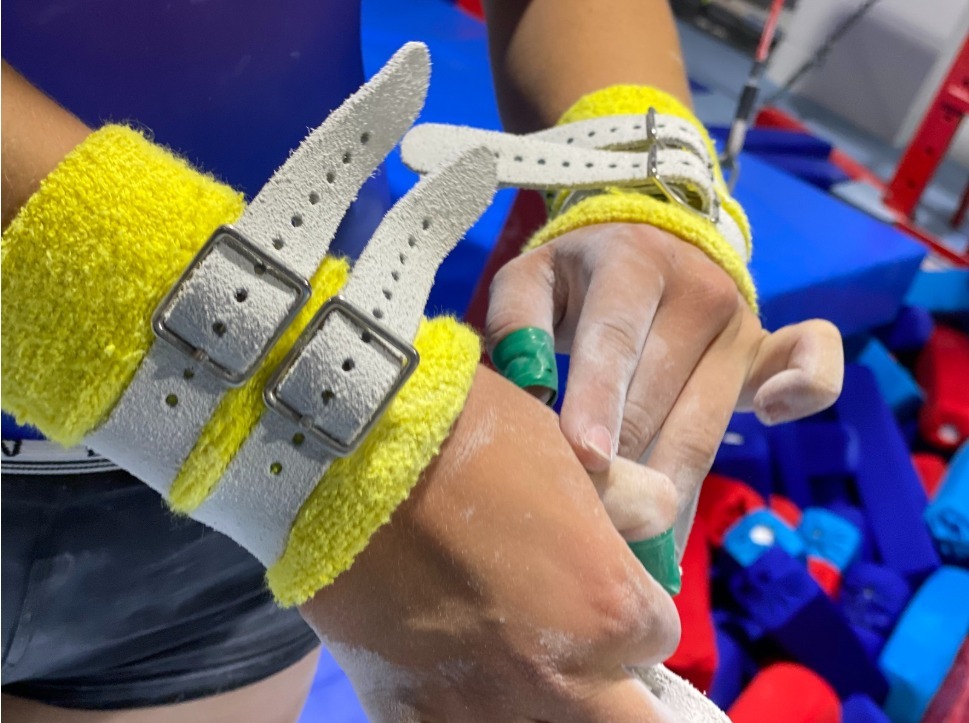
Grips serve two primary functions. First, they provide a protective barrier for the skin, allowing for longer training sessions and more repetitions. Second, and perhaps more importantly, they create a mechanical advantage. Most competitive grips feature a small rod, known as a dowel, which sits across the fingers. This dowel creates a pocket that hooks over the bar, significantly enhancing the gymnast’s grip strength and security during high-velocity release moves. Elite Gymnastics provides equipment that emphasizes this structural integrity, ensuring that the connection between the athlete and the apparatus remains stable under high centrifugal force.
Selecting the Right Type of Handguard for Your Event
Not all grips are created equal. The design of a handguard is dictated by the specific demands of the apparatus. For female gymnasts, uneven bar grips are designed with two finger holes and a specific width to accommodate the diameter of the wooden rails. These grips are generally narrower to allow for the intricate transitions and pirouettes required in women’s artistic gymnastics.
Male gymnasts require two distinct types of grips. High bar grips typically feature three finger holes and a smaller dowel to facilitate the giant swings and release moves on the steel rail. In contrast, ring grips are wider and feature two finger holes with a much larger, more pronounced dowel. This larger dowel is crucial for maintaining a false grip and supporting the athlete’s weight during strength holds like the iron cross or Maltese. Choosing the wrong style for an event is not just a matter of discomfort; it can be a safety hazard that leads to premature equipment failure or injury.
The Anatomy of a High Performance Grip
To choose the right equipment, one must understand the materials and construction methods used by top manufacturers. Most professional grips are made from high-quality leather, though the thickness and texture can vary. Some athletes prefer a softer, thinner leather that offers immediate feedback and a shorter break-in period. Others opt for heavy-duty, thick leather that provides maximum durability and support for powerful, explosive movements.
The attachment system is another critical component. Traditional buckle grips offer a highly secure, non-slip fit that many elite athletes prefer because they do not stretch or loosen during a routine. However, hook and loop closures have become increasingly popular due to their ease of use and the ability to make micro-adjustments between sets. Regardless of the fastening system, the wrist cuff should be padded with high-density foam or lined with neoprene to prevent the leather from chafing the wrists.
Determining Your Ideal Size and Fit
Correct sizing is the most important factor when purchasing new handguards. A grip that is too small will restrict movement and may cause the leather to snap under tension, while a grip that is too large can create dangerous folds of leather that might catch on the bar, leading to a condition known as grip lock. To find your size, you must measure from the base of your palm, right at the wrist crease, to the tip of your middle finger.
Every manufacturer has a slightly different sizing chart, so never assume your size in one brand carries over to another. When you first try on a grip, the finger holes should sit at the first knuckle, not the base of the fingers. As the leather stretches and the dowel settles into its pocket, the fit will change. It is always better to have a grip that feels slightly snug initially than one that starts out loose. Using an Elite Gymnastics size guide can help athletes navigate these nuances to ensure a safe and effective fit from the very first training session.
The Elite Gymnastics Guide to Finger Hole Customization
One of the most common mistakes young gymnasts make is trying to force their fingers into holes that are too small. Manufacturers deliberately make finger holes small so that the athlete can customize them to their specific finger girth. You should never use scissors to enlarge these holes, as cutting the leather creates weak points that can lead to tearing.
Instead, use a small piece of sandpaper wrapped around a pencil or a specialized grip tool to gradually sand down the inner edges of the holes. This method maintains the structural integrity of the leather while providing a comfortable fit. The holes should be snug enough that they do not slide down the fingers during a swing, but not so tight that they cut off circulation. This balance is vital for maintaining tactile sensation while ensuring the grip stays in the correct position on the palm.
Strategies for Breaking In New Leather
A brand new pair of grips can feel stiff and unresponsive, which is why the break-in process is a critical phase of equipment management. You should never attempt a full competitive routine or high-difficulty release moves in brand new grips. Start by wearing them during basic warm-ups, such as kips and basic swings, to allow the leather to begin molding to the shape of your hand.
Roll the leather gently to soften the fibers, but avoid aggressive folding which can create permanent creases. Some gymnasts choose to lightly mist the leather with water to accelerate the softening process, though this should be done sparingly as excessive moisture can degrade the leather over time. The goal is to achieve a supple feel where the leather moves naturally with your hand while still providing the necessary tension to support the dowel.
Maintenance and Longevity Secrets
To get the most out of your investment, proper maintenance is essential. After every practice, you should remove the grips from your gym bag to allow them to air dry. Trapped moisture from sweat is the primary cause of leather rot and bacterial growth. If the leather becomes slick or coated in excess chalk, use a fine-wire grip brush to gently roughen the surface and restore its tackiness.
Avoid using oils or harsh chemicals to soften the leather, as these substances can break down the protein fibers and make the grips dangerously stretchy. Always store your handguards in a dedicated grip bag to keep them separate from other gear and to prevent the velcro or buckles from snagging on your leotards. Consistent care ensures that the equipment remains reliable throughout its lifespan.
When to Replace Your Handguards
Knowing when to retire a pair of grips is a vital safety skill. Leather is a natural material that eventually wears out regardless of how well it is maintained. You should inspect your grips before every practice for signs of thinning, especially in the area where the leather meets the dowel or around the wrist attachment. If the leather feels paper-thin or shows any visible cracks, it is time for a new pair.
Another sign of wear is excessive stretching. If you find yourself tightening the buckles or velcro to the maximum limit and the grips still feel loose, the leather has lost its elasticity and can no longer provide a safe connection. Most competitive gymnasts go through at least one or two pairs per season, depending on their training volume and the intensity of their skills. Keeping a backup pair that is partially broken in is a wise strategy for any serious athlete.
Safety Protocols for High Bar and Uneven Bars
The phenomenon of grip lock is one of the most serious risks in gymnastics. It occurs when excess leather or a poorly fitted grip wraps around the bar during a swing, effectively locking the gymnast’s hand to the rail while their body continues to move. This can lead to severe wrist or arm injuries. To prevent this, always ensure your grips are the correct length and that the dowel is properly seated.
Chalk usage also plays a role in safety. While chalk improves friction, an over-accumulation can create a slippery paste when mixed with sweat. Clean your bars regularly and apply chalk in thin, even layers. If you feel your grips shifting significantly during a skill, stop immediately and adjust the tension. Safety should always take precedence over finishing a turn.
Mastering the Transition to Advanced Handguards
Transitioning from basic palm protectors to professional dowel grips is a major milestone in a gymnast’s career. It requires a period of adjustment as the athlete learns to trust the dowel and the new sensation of the leather. During this phase, working with coaches who understand the mechanics of the equipment is essential.
Using high-quality equipment from a reputable provider like Elite Gymnastics ensures that you are starting with the best possible foundation. As you become more comfortable, you will find that the grips allow you to perform more complex skills with greater confidence and less fatigue. The Ultimate Handguard Guide: How to Choose, Size, and Break In Your Gymnastic Grips near Elite Gymnastics resources can serve as a roadmap for this progression, helping you move from a beginner to an advanced competitor with ease.
Sustaining Peak Performance Through Equipment Knowledge
The relationship between a gymnast and their grips is deeply personal. Over time, you will develop a preference for specific brands, leather types, and fastening systems. By understanding the technical aspects of how grips work and how to maintain them, you empower yourself to train harder and safer.
Remember that your equipment is an extension of your body. Treat it with respect, monitor its condition daily, and never settle for a fit that feels unsafe. With the right pair of handguards and a disciplined approach to their care, you can focus entirely on your technique and the pursuit of excellence in the gym. Elite Gymnastics remains committed to supporting athletes through this journey, providing the insights and gear necessary to reach the highest levels of the sport.