Keeping a vehicle clean is an important part of responsible ownership. Beyond improving appearance, regular washing helps remove contaminants such as dirt, road salt, mud, and environmental debris that can accumulate over time. In Canada, where vehicles are exposed to changing weather conditions year-round, maintaining a consistent cleaning routine can support both appearance and long-term care.
As vehicle cleaning technology continues to evolve, drivers have more options than ever before. Modern touchless systems have become increasingly popular because they provide an efficient way to clean vehicles without relying on brushes or other materials that come into direct contact with exterior surfaces.
Why More Drivers Are Choosing Advanced Washing Methods
For many years, vehicle washing was viewed primarily as a cosmetic task. Today, drivers recognize that regular cleaning is also an important maintenance practice. Environmental contaminants can build up quickly, especially during Canadian winters when road salt and de-icing products are frequently used.
When comparing vehicle cleaning options, many motorists searching for a car wash Red Deer service are primarily concerned with convenience, cleaning quality, and the ability to remove seasonal contaminants effectively. This growing focus on proper vehicle care has contributed to the popularity of more advanced washing technologies.
Understanding How Touchless Car Washes Work
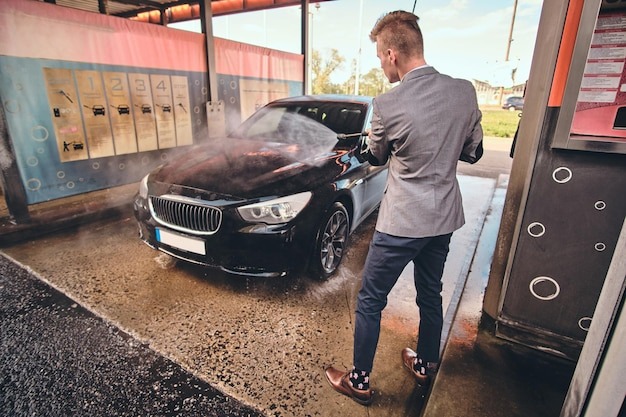
Unlike traditional automatic systems that use brushes or cloth materials, touchless car washes rely on a combination of specialized cleaning solutions and high-pressure water.
The typical process includes:
- Application of cleaning detergents
- Pre-soaking to loosen dirt and grime
- High-pressure rinsing
- Spot-free rinse treatment
- Air-powered drying
The goal is to remove contaminants efficiently while minimizing physical contact with the vehicle’s exterior.
Modern systems are equipped with sensors that help ensure water and cleaning products are distributed effectively across different vehicle sizes and shapes.
The Impact of Canadian Weather on Vehicles
Canada’s climate poses unique challenges for vehicle owners year-round.
Winter
Road salt and de-icing chemicals are essential for winter road safety. However, these materials can accumulate on body panels, wheel wells, and undercarriage components. Regular washing helps remove salt residue before it builds up excessively.
Spring
Melting snow often leaves behind mud, standing water, and road debris. Spring also introduces pollen, which can quickly coat exterior surfaces.
Summer
During warmer months, vehicles are exposed to dust, insect residue, bird droppings, and construction-related debris.
Autumn
Leaves, moisture, and organic matter can accumulate around windows, drainage channels, and exterior surfaces, requiring additional cleaning.
Each season presents different maintenance challenges, making routine washing an important part of vehicle ownership.
Supporting Paint and Exterior Surface Care
Modern automotive paint systems are designed to be durable, but they are still exposed to daily environmental stress. Dirt, road grime, and organic contaminants can remain on exterior surfaces if vehicles are not cleaned regularly.
As awareness of paint protection continues to grow, many vehicle owners prefer a touchless auto car wash because it cleans effectively without brushes, making direct contact with the vehicle’s surface.
This approach appeals to drivers who want an efficient cleaning process while maintaining confidence in the care of their vehicle’s finish.
Convenience for Busy Vehicle Owners
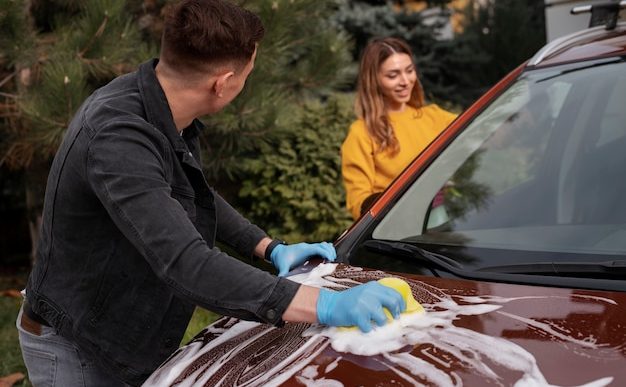
One of the biggest advantages of automated washing systems is convenience. Hand washing a vehicle requires time, equipment, and suitable weather conditions. During the winter months, washing at home may not always be practical.
Touchless systems allow drivers to complete cleaning quickly, making it easier to maintain a regular washing schedule year-round.
For commuters, families, and business owners, the ability to keep a vehicle clean without a major time commitment is a significant benefit.
Environmental Considerations
Many modern vehicle washing facilities incorporate technologies designed to improve environmental efficiency.
These may include:
- Controlled water usage
- Efficient detergent application
- Water recycling systems
- Responsible wastewater management
Compared to uncontrolled driveway washing, professional systems often provide a more structured approach to resource management.
As environmental awareness continues to grow, many consumers appreciate cleaning solutions that balance effectiveness with responsible practices.
Conclusion
Touchless car wash technology has transformed the way many drivers approach vehicle maintenance. By combining advanced cleaning chemistry with high-pressure water systems, these facilities provide an efficient solution for removing dirt, grime, and seasonal contaminants.
For Canadian motorists, regular washing remains an important part of caring for a vehicle throughout changing weather conditions. Whether addressing winter road salt, spring mud, summer dust, or autumn debris, maintaining a consistent cleaning routine helps support both appearance and long-term vehicle care.
As technology continues to evolve, touchless washing is expected to remain a popular option for drivers seeking convenience, efficiency, and reliable cleaning performance.