
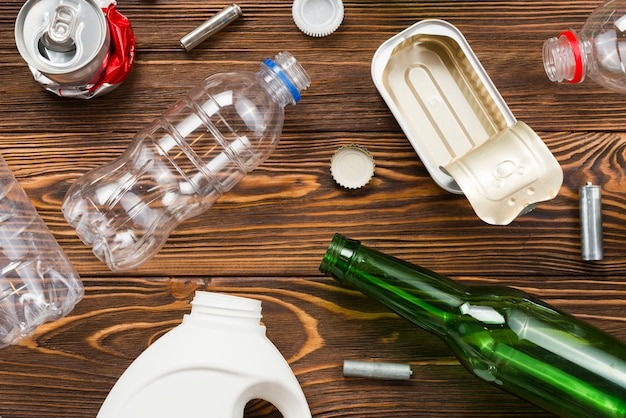
Recycling has become a key part of environmental responsibility across Canada. While many people understand the general benefits of recycling, beverage container recycling deserves special attention because it offers measurable environmental and economic advantages. Every bottle, can, and carton returned properly helps reduce waste, conserve resources, and support a more sustainable future.
As communities continue to focus on waste reduction and resource conservation, beverage container recycling programs remain one of the most successful examples of how individual actions can contribute to broader environmental goals.
Understanding the Life Cycle of Beverage Containers
Most beverage containers are made from materials such as aluminum, plastic, glass, or composite packaging. Producing these materials requires energy, raw resources, and manufacturing processes that can have environmental impacts.
When containers are discarded rather than recycled, their contents are often sent to landfills. However, when containers are properly returned through established recycling systems, the materials can be recovered and transformed into new products.
This process reduces the demand for virgin resources and helps manufacturers incorporate recycled content into future packaging and consumer goods.
Why Beverage Container Recycling Is So Effective
Many recycling programs face challenges related to contamination and material quality. Beverage container recycling programs often achieve better recovery rates because the collection process is specifically designed for these items.
High-Quality Material Recovery
Containers that are returned through dedicated collection systems are generally easier to sort and process. This allows recycling facilities to recover materials for reuse in manufacturing with minimal quality loss.
Reduced Environmental Impact
Using recycled materials often requires less energy than producing materials from raw resources. For example, recycled aluminum can be processed using significantly less energy than producing new aluminum from mined ore.
Waste Diversion
Every container that is recycled is one less item entering a landfill. Over time, this contributes to substantial reductions in waste volume and helps preserve landfill capacity.
How Recycling Supports Local Communities
Recycling programs create benefits that extend beyond environmental protection. They also support local economies and encourage community participation in sustainability efforts.
Many residents searching for a convenient Calgary bottle depot are participating in a system that helps recover valuable materials while supporting broader waste reduction initiatives throughout Alberta.
By participating in container recycling programs, households, schools, community groups, and businesses all contribute to a shared environmental objective.
The Connection Between Recycling and Resource Conservation
Natural resources are finite. Materials such as bauxite ore for aluminum production, petroleum for plastics, and raw materials used in glass manufacturing require extraction and processing before becoming consumer products.
Recycling extends the useful life of these resources by keeping materials in circulation for longer.
Conserving Energy
Manufacturing with recycled materials often consumes less energy compared to creating products from raw materials. This reduction in energy demand can lead to lower greenhouse gas emissions and reduced environmental strain.
Preserving Raw Materials
By recovering and reusing materials already in circulation, industries can decrease their reliance on extracting new resources. This supports long-term sustainability and resource management goals.
Common Beverage Containers That Can Be Recycled
Many types of beverage packaging are suitable for recycling programs, including:
- Aluminum cans
- Plastic beverage bottles
- Glass bottles
- Juice containers
- Drink cartons
- Beverage pouches in approved programs
Understanding which items are accepted helps improve recycling efficiency and reduce contamination during processing.
How Consumers Can Improve Recycling Outcomes
Successful recycling systems depend on public participation. A few simple habits can make a meaningful difference.
Empty Containers Before Returning Them
Removing leftover liquids helps keep materials clean and simplifies handling throughout the recycling process.
Store Containers Properly
Keeping containers separate from household garbage prevents contamination and helps preserve material quality.
Return Containers Regularly
Regular participation ensures that recyclable materials are recovered promptly and remain available for reprocessing.
The Growing Importance of Circular Economy Practices
The concept of a circular economy is gaining attention worldwide. Instead of following a traditional pattern of production, use, and disposal, a circular economy seeks to keep materials in use for as long as possible.
Beverage container recycling is an excellent example of this approach. Containers can be collected, processed, and converted into new products that re-enter the marketplace. This cycle helps reduce waste while maximizing the value of existing materials.
Many communities continue to strengthen their commitment to recycling bottles and cans as part of broader sustainability strategies to reduce environmental impacts and improve resource efficiency.
Looking Ahead
As environmental awareness continues to grow, recycling programs will remain an important tool for reducing waste and conserving resources. Advances in recycling technology, improved collection systems, and increased public participation can help further improve recovery rates and material reuse.
Individuals, families, and organizations all play a role in supporting these efforts. Small actions, such as consistently returning beverage containers, contribute to meaningful environmental benefits when adopted across entire communities.
Conclusion
Returning beverage containers for recycling is a simple practice with significant environmental and economic benefits. By reducing landfill waste, conserving natural resources, lowering energy consumption, and supporting circular economy principles, beverage container recycling helps build more sustainable communities. Continued participation in recycling programs ensures that valuable materials remain in use and contributes to a cleaner, more resource-efficient future for generations to come.