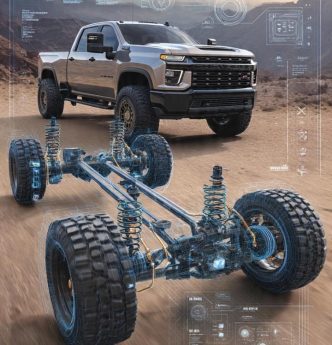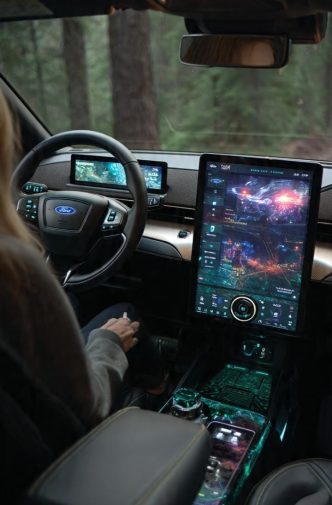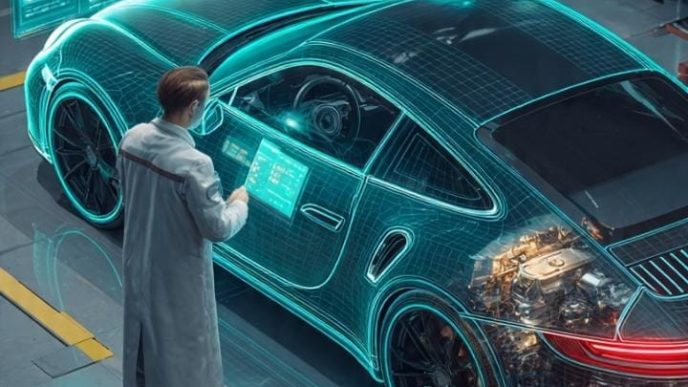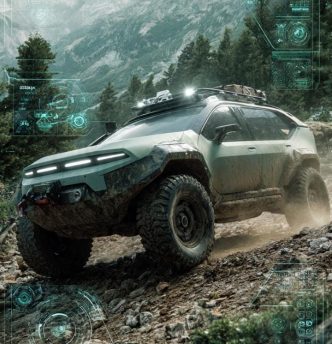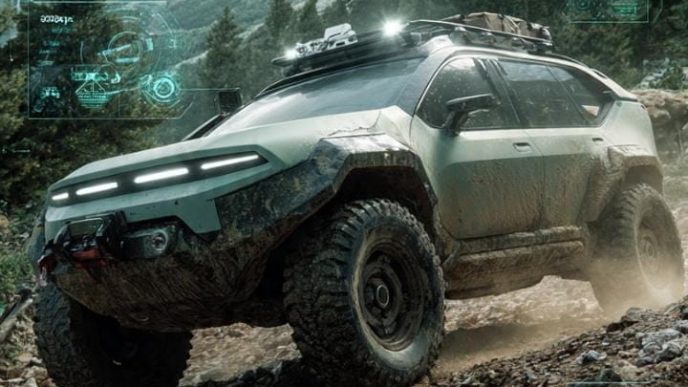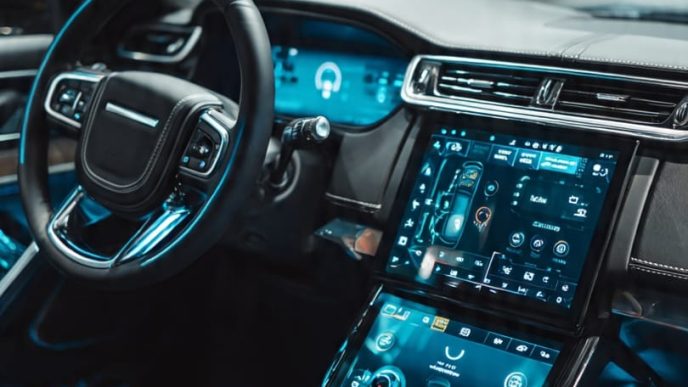

Modern pickup trucks have evolved far beyond their traditional role as hardworking utility vehicles. Today, they combine impressive towing capability, advanced comfort features, and intelligent driver assistance technologies that improve both safety and convenience. Whether hauling heavy equipment, towing a trailer, commuting to work, or heading off-road, these smart systems help drivers stay aware of their surroundings and respond to changing road conditions. As technology continues to advance, many buyers exploring Ram trucks for sale in Kingsville are discovering how modern pickup trucks integrate sophisticated safety features without compromising their legendary capability.
The Evolution of Driver Assistance Technology
Driver assistance systems have progressed significantly over the past two decades. Early safety technologies focused on basic functions such as anti-lock braking and traction control. Today, advanced sensors, radar, cameras, and onboard computers continuously monitor the environment around the truck.
Rather than replacing the driver, these intelligent systems provide additional awareness and support during everyday driving. The goal is to reduce driver workload, improve reaction times, and help prevent accidents in a variety of situations.
Adaptive Cruise Control
Long highway trips become more comfortable with adaptive cruise control.
Unlike conventional cruise control, this system automatically adjusts the truck’s speed to maintain a safe following distance from the vehicle ahead. Using radar and camera technology, it slows down when traffic becomes heavier and accelerates again as the road clears.
For pickup owners who frequently travel long distances or tow trailers, adaptive cruise control helps reduce fatigue while maintaining smoother traffic flow.
Forward Collision Warning and Automatic Emergency Braking
One of the most valuable safety technologies available in modern pickup trucks is forward collision warning.
The system monitors traffic ahead and alerts the driver if it detects a potential collision. If the driver does not respond quickly enough, automatic emergency braking may activate to reduce impact speed or help avoid certain accidents altogether.
This technology is particularly useful in busy traffic, where sudden stops can occur unexpectedly.
Blind Spot Monitoring
Pickup trucks naturally have larger blind spots than many passenger cars, especially when towing.
Blind spot monitoring uses radar sensors to detect vehicles traveling alongside the truck. Visual warnings appear in the side mirrors, alerting drivers before changing lanes.
Many systems also extend their monitoring to include trailers, providing additional confidence when towing campers, boats, or utility trailers on busy highways.
Lane Departure Warning and Lane Keeping Assistance
Maintaining proper lane position is important during long-distance driving.
Lane departure warning systems monitor lane markings and notify drivers if the truck begins drifting without using a turn signal. Lane keeping assistance can also provide gentle steering input to help guide the vehicle back toward the center of its lane.
These technologies improve driver awareness while helping reduce fatigue on extended road trips.
Rear Cross-Traffic Alert
Backing out of parking spaces or crowded driveways can be challenging in larger vehicles.
Rear cross-traffic alert uses rear-mounted sensors to detect approaching vehicles from either side while reversing. If another vehicle is approaching, the system warns the driver with visual and audible alerts.
This added awareness helps reduce the risk of low-speed collisions in parking lots and other confined spaces.
Trailer Assistance Technologies
Modern pickup trucks increasingly include intelligent features specifically designed for towing.
Trailer sway control monitors trailer movement and automatically applies selective braking or adjusts engine power if excessive swaying is detected. Some trucks also feature trailer backup assistance, making it easier to reverse while towing by simplifying steering inputs.
Additional camera views and trailer monitoring systems further improve visibility and control during towing operations.
Surround-View Camera Systems
Visibility plays a major role in safely operating a full-size pickup truck.
Surround-view camera systems combine images from multiple exterior cameras to create a bird’s-eye view around the vehicle. This helps drivers avoid obstacles, align trailers more accurately, and maneuver through tight parking areas with greater confidence.
Some trucks also offer forward-facing cameras that improve visibility during off-road driving or when approaching steep obstacles.
Intelligent Lighting Systems
Nighttime driving becomes safer with modern lighting technology.
Adaptive LED headlights automatically adjust their direction based on steering input, improving visibility around curves. Automatic high-beam assistance switches between high and low beams depending on surrounding traffic, allowing drivers to maximize nighttime visibility without distracting other motorists.
These systems contribute to safer driving on rural roads and highways with limited lighting.
Connected Vehicle Technology
Today’s intelligent pickup trucks offer more than physical safety features.
Connected vehicle systems provide remote vehicle monitoring, maintenance reminders, navigation updates, and over-the-air software improvements. Smartphone apps allow owners to remotely lock doors, start the engine, locate the vehicle, and check important vehicle information.
These connected services improve convenience while helping owners maintain their trucks more efficiently.
The Importance of Driver Responsibility
Although driver assistance technologies provide valuable support, they do not replace attentive driving.
Drivers remain responsible for monitoring traffic, maintaining safe speeds, and following road conditions. These systems are designed to assist—not control—the vehicle independently.
Understanding how each feature operates and recognizing its limitations ensures drivers receive the greatest safety benefits while maintaining full control behind the wheel.
Conclusion
Intelligent driver assistance systems have transformed modern pickup trucks into safer, smarter, and more capable vehicles. Features such as adaptive cruise control, forward collision warning, automatic emergency braking, blind spot monitoring, trailer assistance, surround-view cameras, and connected technology provide meaningful support during daily driving, towing, and long-distance travel. Combined with responsible driving habits and regular vehicle maintenance, these innovations help improve confidence, reduce fatigue, and enhance overall safety. As technology continues advancing, modern pickup trucks will become even more intelligent while preserving the strength, versatility, and capability that drivers depend on every day.