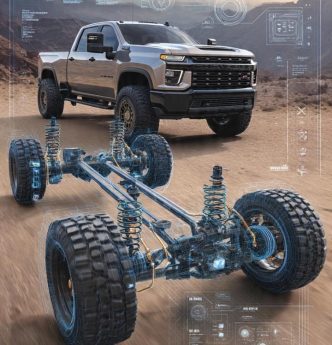
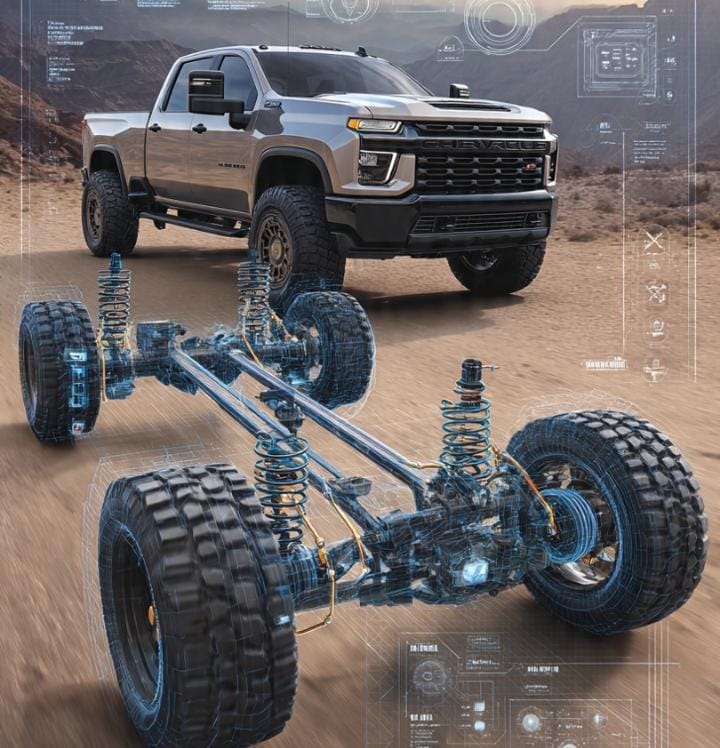
Lifted trucks have become increasingly popular among drivers who value off-road capability, commanding visibility, and rugged styling. Today’s lifted trucks are far more advanced than earlier generations, thanks to suspension technologies that improve stability, ride comfort, and overall performance without sacrificing everyday drivability. Whether tackling rocky trails, towing heavy loads, or commuting through the city, modern suspension systems help deliver a balanced driving experience. Drivers interested in exploring lifted trucks in Texas can find models equipped with innovative suspension components designed to handle a wide variety of road and trail conditions.
Understanding Modern Lifted Suspension Systems
A lifted suspension does much more than raise a truck’s ride height. Properly engineered systems improve ground clearance, increase wheel travel, and maintain stable handling while supporting larger tires. Manufacturers and aftermarket specialists carefully design suspension geometry to ensure steering, braking, and ride quality remain predictable after a vehicle is lifted.
Today’s innovations combine durable materials with precision engineering, allowing lifted trucks to perform confidently both on pavement and in challenging off-road environments.
1. Advanced Coilover Suspension Systems
One of the biggest advancements in modern lifted trucks is the widespread use of coilover suspension systems.
Unlike traditional spring and shock combinations, coilovers integrate the spring and shock absorber into a single assembly. Many designs also allow adjustable ride height and damping, enabling drivers to fine-tune the suspension for different driving conditions.
Coilovers offer several benefits, including improved ride comfort, better wheel control, enhanced suspension travel, and more consistent performance on uneven terrain. Their versatility makes them a popular choice for both recreational off-road enthusiasts and everyday drivers.
2. Progressive-Rate Springs
Traditional suspension springs maintain a constant stiffness throughout their movement. Progressive-rate springs, however, become firmer as they compress.
This design allows the suspension to absorb small road imperfections smoothly while providing additional support during heavy loads, aggressive cornering, or rough off-road conditions.
For lifted trucks, progressive springs create a comfortable ride during daily driving without compromising stability when carrying cargo or navigating uneven trails. The result is greater versatility across a wide range of driving situations.
3. Remote Reservoir Shock Absorbers
Shock absorber technology has evolved significantly, especially for trucks designed to handle demanding terrain.
Remote reservoir shocks feature an external chamber connected to the main shock body. This additional reservoir increases fluid capacity and improves heat dissipation during extended off-road use.
Because the shocks stay cooler under heavy loads, damping performance remains more consistent over rough trails, washboard roads, and long-distance adventures. Drivers experience better control, reduced suspension fade, and improved durability in demanding environments.
4. Electronic Adaptive Suspension
Modern lifted trucks increasingly incorporate electronic suspension technology that automatically adjusts to changing driving conditions.
Using sensors positioned throughout the vehicle, adaptive suspension systems continuously monitor wheel movement, steering input, vehicle speed, and road conditions. The system then adjusts shock absorber stiffness in real time to optimize ride comfort and handling.
On smooth highways, the suspension delivers a comfortable ride, while rough terrain triggers firmer damping for greater stability and control. This intelligent technology allows lifted trucks to perform confidently across multiple environments without requiring manual adjustments.
5. Reinforced Control Arms and Suspension Geometry
Increasing ride height changes suspension angles, making properly engineered control arms essential for maintaining handling characteristics.
Modern lifted trucks often feature reinforced upper and lower control arms constructed from high-strength steel or lightweight aluminum alloys. These upgraded components help preserve proper wheel alignment while accommodating increased suspension travel.
Improved suspension geometry reduces unnecessary wear on steering and suspension components, enhances tire contact with the road, and contributes to predictable handling both on and off pavement.
How Technology Improves Off-Road Capability
The combination of these suspension innovations significantly enhances off-road performance.
Greater wheel articulation allows tires to remain in contact with uneven terrain, improving traction over rocks, mud, sand, and steep inclines. Better damping reduces harsh impacts while maintaining driver comfort during extended trail rides.
Combined with four-wheel-drive systems, locking differentials, and advanced traction control, modern suspension technology enables lifted trucks to tackle challenging environments with greater confidence.
Benefits for Everyday Driving
Although lifted trucks are often associated with off-road adventures, today’s suspension systems are equally beneficial during everyday use.
Advanced engineering minimizes excessive body roll, improves steering response, and reduces harshness over potholes and rough pavement. Drivers enjoy a smoother ride than many older lifted trucks while maintaining the elevated seating position and commanding visibility that make these vehicles so appealing.
Improved suspension design also contributes to more stable towing and hauling performance.
The Importance of Professional Installation
Suspension technology performs best when installed and aligned correctly.
Professional installation ensures components operate as intended while maintaining safe steering geometry, braking performance, and suspension travel. Proper wheel alignment following a suspension lift also helps maximize tire life and maintain predictable vehicle handling.
Routine inspections and maintenance further ensure long-term reliability and consistent performance.
Choosing the Right Suspension Setup
The ideal suspension system depends on how the truck will be used.
Drivers who primarily commute may prioritize ride comfort and highway stability, while dedicated off-road enthusiasts often prefer greater suspension travel and heavy-duty shock absorbers. Those who tow frequently should consider systems designed to maintain stability under increased loads.
Understanding your driving needs helps ensure the suspension delivers the right balance of comfort, durability, and capability.
Conclusion
Modern lifted trucks benefit from remarkable suspension innovations that go far beyond simply increasing ride height. Advanced coilover systems, progressive-rate springs, remote reservoir shocks, adaptive electronic suspension, and reinforced control arms work together to improve comfort, handling, durability, and off-road capability. These technologies allow today’s lifted trucks to perform confidently on highways, work sites, and rugged trails alike. As suspension engineering continues to evolve, drivers can expect even greater levels of performance, safety, and versatility, making modern lifted trucks more capable than ever before.