Artificial intelligence is transforming nearly every aspect of the automotive industry, and vehicle diagnostics is one of the areas experiencing the most significant change. Modern vehicles generate enormous amounts of data through onboard sensors, electronic control units, and connected systems. AI-powered diagnostics can analyze this information in real time, helping identify potential issues before they become major repairs. The result is improved reliability, enhanced safety, and more efficient vehicle maintenance. Drivers interested in experiencing the latest automotive technology often visit an Infiniti dealership in Tucson, AZ to explore vehicles equipped with advanced diagnostic and connectivity features.
What Are AI-Powered Vehicle Diagnostics?
Traditional vehicle diagnostics typically rely on warning lights and fault codes that indicate when something has already gone wrong. AI-powered diagnostics take this process much further by continuously monitoring the vehicle’s systems and analyzing performance data.
Using machine learning algorithms, these systems recognize patterns that may indicate developing mechanical or electrical problems. Instead of simply reporting an issue, AI can estimate its severity, identify likely causes, and recommend the next steps for maintenance.
This proactive approach helps drivers address concerns before they lead to unexpected breakdowns.
Continuous Monitoring Improves Reliability
Modern vehicles are equipped with hundreds of sensors that monitor engine performance, transmission operation, braking systems, battery health, tire pressure, and many other components.
AI analyzes data from these sensors around the clock, comparing current readings with expected operating conditions. If unusual behavior is detected, the system can notify the driver even before noticeable symptoms appear.
Early detection reduces the likelihood of costly repairs and improves overall vehicle reliability.
Predictive Maintenance Changes Vehicle Care
One of the greatest advantages of AI-powered diagnostics is predictive maintenance.
Rather than following a fixed maintenance schedule, AI evaluates the actual condition of vehicle components based on driving habits, mileage, weather conditions, and operating performance. This allows maintenance to be performed when it is truly needed.
For example, the system may recognize gradual brake wear, battery deterioration, or declining engine efficiency long before a traditional inspection would reveal the issue.
This personalized approach helps extend the lifespan of important vehicle components.
Faster and More Accurate Repairs
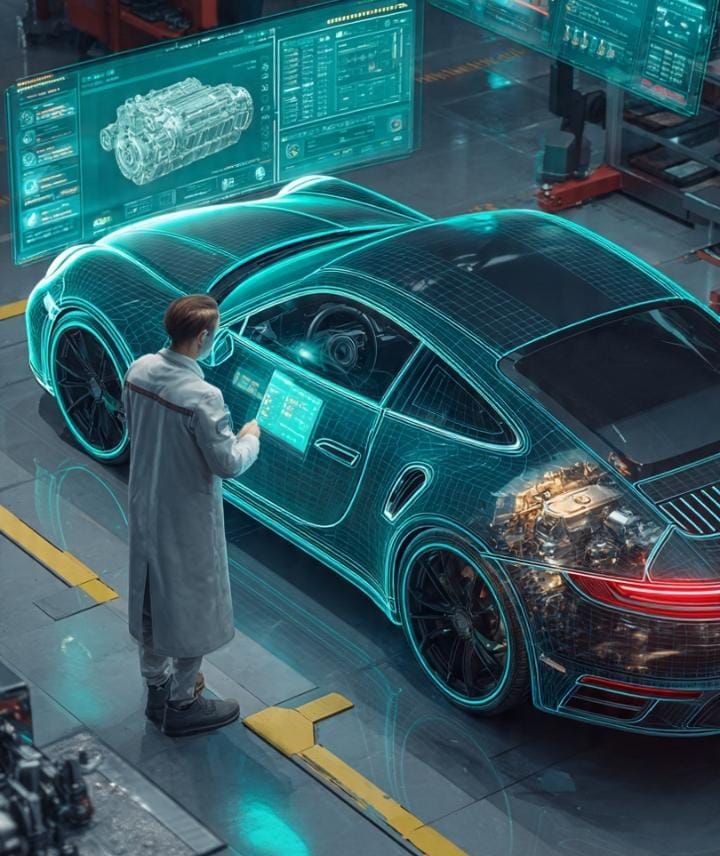
AI is also changing how service technicians diagnose problems.
Instead of spending valuable time manually testing multiple systems, technicians can use AI-generated diagnostic reports that identify likely causes based on real-time vehicle data and historical repair information.
This significantly reduces diagnostic time and helps improve repair accuracy. Faster problem identification means vehicles spend less time in the service department and more time back on the road.
Remote Diagnostics Add Convenience
Connected vehicle technology allows many modern vehicles to communicate directly with manufacturers or authorized service centers.
If the system detects a developing issue, diagnostic information can often be transmitted remotely, allowing technicians to review the problem before the customer even arrives.
Some systems can also notify drivers through smartphone apps, providing maintenance reminders, software update alerts, and service scheduling recommendations.
This level of connectivity makes vehicle ownership more convenient than ever.
Artificial Intelligence Learns Over Time
Unlike traditional software that follows fixed programming, AI systems improve as they process more information.
Machine learning models analyze data collected from thousands of vehicles operating under different driving conditions. This allows the system to recognize increasingly subtle warning signs and improve diagnostic accuracy over time.
As more data becomes available, AI continues refining its ability to predict failures and recommend effective maintenance solutions.
Supporting Electric and Hybrid Vehicles
AI diagnostics are especially valuable for electric and hybrid vehicles, which rely on sophisticated battery management systems and complex electrical components.
Artificial intelligence continuously monitors battery temperature, charging performance, energy efficiency, and overall battery health. If abnormalities are detected, drivers receive early warnings that allow maintenance before performance is affected.
This technology helps maximize battery lifespan while supporting safe and efficient operation.
Improving Safety Through Early Detection
Vehicle reliability directly contributes to driver safety.
AI diagnostics can identify developing problems involving braking systems, steering components, tire pressure, suspension, and other critical systems before they become serious safety concerns.
Receiving early maintenance alerts allows drivers to schedule repairs promptly, reducing the risk of mechanical failures during daily driving or long road trips.
This proactive approach helps create safer vehicles for everyone on the road.
Software Updates Keep Systems Current
Many modern vehicles now receive over-the-air software updates that improve performance without requiring a visit to the dealership.
AI helps identify opportunities to optimize vehicle systems through updated software, improving efficiency, enhancing diagnostics, and sometimes adding entirely new features.
This ability to evolve after purchase allows vehicles to remain technologically current throughout their ownership.
The Importance of Human Expertise
Although AI has dramatically improved vehicle diagnostics, skilled technicians continue to play an essential role.
Artificial intelligence provides valuable data and recommendations, but experienced professionals interpret complex situations, perform repairs, and ensure every system functions correctly after maintenance.
The combination of advanced technology and expert service delivers the most reliable results for today’s sophisticated vehicles.
The Future of AI Diagnostics
As automotive technology continues evolving, AI-powered diagnostics will become even more capable.
Future systems may detect potential failures with greater precision, communicate directly with nearby service facilities, and coordinate maintenance appointments automatically. Improvements in cloud computing and connected vehicle technology will also allow manufacturers to refine diagnostic models using anonymized real-world data.
These advancements will further reduce unexpected breakdowns while making vehicle ownership simpler, safer, and more efficient.
Conclusion
AI-powered vehicle diagnostics represent a major advancement in modern automotive technology. By continuously monitoring vehicle systems, predicting maintenance needs, improving repair accuracy, and supporting remote diagnostics, artificial intelligence is changing how vehicles are maintained and serviced. These innovations benefit drivers through enhanced safety, greater reliability, reduced repair costs, and increased convenience. As AI continues to evolve alongside connected and electrified vehicles, diagnostic technology will play an even greater role in keeping vehicles operating at their best, allowing drivers to enjoy greater confidence and peace of mind every time they get behind the wheel.