
Technology is often associated with convenience.
It helps us automate repetitive tasks, communicate instantly, and access information from virtually anywhere.
But some of the most fascinating innovations aren’t designed to make life easier.
They’re designed to make experiences more engaging.
Across the entertainment industry, developers are using technology to create environments that encourage people to think critically, solve problems, and collaborate in ways that weren’t possible just a decade ago.
From interactive museums to smart attractions, technology is increasingly being used not as the main attraction, but as the invisible engine that powers memorable experiences.
This shift reflects a growing understanding that people don’t simply want to consume entertainment anymore.
They want to influence it.
Behind Every Great Interactive Experience Is Smart Technology
Technology Should Feel Invisible
One of the hallmarks of good design is that users rarely notice the technology itself. Instead, they focus on what they’re trying to accomplish.
The same principle applies to immersive entertainment.
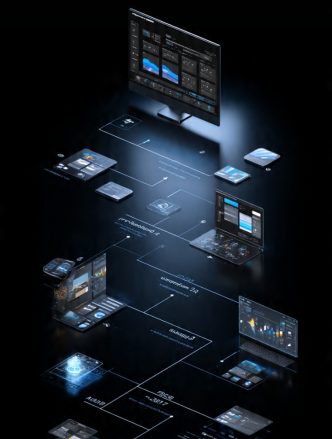
Wireless sensors, programmable controllers, RFID tags, synchronized lighting, directional audio, and automated mechanisms often work quietly in the background.
Participants aren’t thinking about software or electronics; They’re focused on solving a mystery, uncovering clues, or progressing through a story.
The technology succeeds because it disappears into the experience.
This philosophy mirrors trends seen in consumer technology, where the best products reduce friction instead of drawing attention to their complexity.
Engineering Experiences Instead of Screens
Many modern attractions are moving away from passive viewing and toward active participation.
Engineers, designers, programmers, and storytellers increasingly collaborate to build environments that react to human decisions in real time.
A great example can be seen in a Houston escape room, where technology may coordinate lighting sequences, trigger hidden compartments, synchronize sound effects, and manage puzzle progression without interrupting the immersive atmosphere.
Visitors experience the storytelling naturally, even though sophisticated systems are working continuously behind the scenes.
This seamless integration of hardware and software demonstrates how technology can enhance engagement without becoming the center of attention.
The Value of Human Collaboration
Ironically, some of today’s most technology-driven attractions encourage people to spend less time looking at personal devices.
Instead of scrolling individually, participants communicate constantly, compare observations, test theories, and divide responsibilities.
The technology creates opportunities for conversation rather than replacing it.
This represents an interesting direction for innovation.
Rather than maximizing screen time, developers are designing systems that strengthen real-world interaction.
It’s a reminder that successful technology isn’t measured only by processing power or automation, but by the quality of the experiences it helps create.
What the Future Could Look Like
Emerging technologies such as artificial intelligence, computer vision, adaptive storytelling, and augmented reality are likely to make immersive attractions even more responsive in the coming years.
Future environments may adjust puzzle difficulty based on player performance or generate personalized story elements without sacrificing the shared nature of the experience.
These innovations are already beginning to influence destinations like a Toms River NJ escape room, where interactive design continues to evolve alongside advances in entertainment technology.
As software and hardware become more sophisticated, visitors can expect experiences that feel increasingly dynamic while remaining centered on teamwork and problem-solving.
Frequently Asked Questions
Why is immersive entertainment relevant to technology professionals?
It demonstrates how multiple technologies, including automation, sensors, networking, software development, and user experience design, can work together to solve real-world design challenges while creating engaging consumer experiences.
Is sophisticated technology always necessary for immersive attractions?
No.
Effective design is more important than flashy hardware.
Well-integrated systems that support storytelling and user interaction usually create a stronger experience than technology used purely for spectacle.
Conclusion
The next generation of entertainment won’t be defined solely by faster processors or more advanced graphics.
Instead, it will be shaped by how effectively technology enhances human interaction.
When engineering, software, and creative storytelling come together, they create experiences that are memorable not because people notice the technology, but because they forget about it entirely.
That may be the most impressive achievement modern technology can offer – Making itself invisible while helping people connect, collaborate, and enjoy experiences they’ll remember long after they leave.