
Office security has evolved far beyond locks, keycards, and surveillance cameras. As workplaces become increasingly connected, organizations need security systems that can protect physical spaces while adapting to modern operational demands. Smart access control powered by IoT is making that possible.
By connecting doors, credentials, sensors, cameras, and cloud-based management platforms, businesses gain real-time visibility and greater control over who enters their facilities. This integration not only strengthens security but also improves efficiency, scalability, and the overall workplace experience.
How Office Entry Management Got So Much Smarter
Not long ago, office security meant a deadbolt, a receptionist, and maybe a sign-in sheet. Charming, honestly. Also deeply flawed.
Lost keys got duplicated. Nobody tracked who came and went after hours. A disgruntled former employee might still have a working key three weeks after their last day. The gaps were enormous, and the visibility was essentially zero.
Then cloud networking changed the game. Today’s access control systems operate as fully networked, remotely managed platforms giving administrators real-time oversight across every entry point, sometimes across multiple buildings in different cities. What used to require a physical security guard and a clipboard now runs through a dashboard you can check from your phone at midnight.
Mobile credentials pushed things further. Employees badge in with a smartphone tap or a wearable device. No card to lose, no fob to forget. The friction drops; the accountability doesn’t.
IoT connectivity tied it all together. Door readers, motion sensors, cameras don’t just collect data anymore. They talk to each other, creating a security environment that responds in real time rather than logging incidents for someone to review on Monday morning.
What’s Actually Under the Hood of IoT-Powered Security
This is where it gets genuinely interesting and where a lot of organizations get tripped up by jargon.
IoT security solutions typically combine smart card readers, biometric devices, mobile credentials, and cloud management dashboards. Each piece handles a specific job. Readers authenticate entry. Biometrics add a physiological confirmation layer. The cloud dashboard gives your security team centralized control whether they’re managing one office or fourteen.
Critically, these components are built for growth. A ten-person startup operating out of a single floor can deploy the same foundational platform as a mid-size enterprise with regional offices. Scalable office access integration means you’re not ripping and replacing every time your headcount doubles.
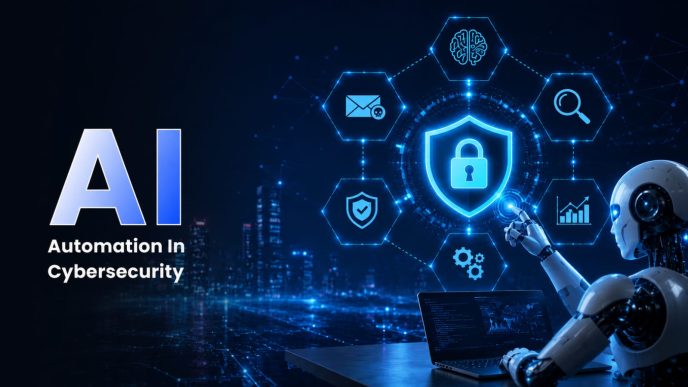
AI analytics add a layer that honestly feels a little futuristic, even if it’s already standard in forward-thinking deployments. Unusual entry patterns someone badging in repeatedly at 3 a.m., a credential used in two locations simultaneously trigger automatic alerts. Facial recognition and multi-factor authentication stack verification layers that make unauthorized access significantly harder to pull off without detection.
Making Everything Work Together Without the Headaches
Here’s where a lot of security upgrades quietly fall apart: integration. You can have excellent hardware and terrible coordination between systems, and you’ll end up with more work, not less.
Single sign-on (SSO) solves a frustrating redundancy. When it’s configured properly, an employee’s physical and digital credentials share one identity profile. Badging into the building and logging into company applications become part of the same access event. For IT teams, this makes onboarding and offboarding dramatically cleaner, updating the HR system, and access permissions follow automatically. No manual adjustments, no forgotten deactivations.
The smartest implementations also wire access control into building automation. An unauthorized entry attempt after hours doesn’t just log an alert it can trigger a zone lockdown. Guest credentials tied to a meeting calendar expire the moment the meeting ends. These event-driven responses aren’t theoretical. They’re running in real offices right now, and they’re remarkably effective.
Where the Technology Is Heading Next
The future of smart office security is being shaped by technologies that enhance convenience, strengthen protection, and improve operational efficiency. As workplaces become increasingly connected, access control systems are evolving beyond simple entry management into intelligent platforms capable of making real-time security decisions.
Mobile-first access has gained significant momentum in recent years. QR code entry, Bluetooth-enabled doors, and digital wallet credentials have moved from innovative features to everyday workplace tools. Contactless visitor management is also becoming more common, allowing guests to pre-register, receive digital credentials, and gain seamless access without lengthy check-in procedures.
At the same time, AI-powered security solutions are transforming how organizations monitor and respond to threats. Machine learning can analyze access patterns, identify unusual behavior, and generate real-time alerts when suspicious activity is detected. These capabilities enable security teams to take proactive action before incidents escalate, improving both safety and efficiency.
Another emerging development is the use of blockchain technology for identity and access management. By creating decentralized identities and tamper-resistant access records, blockchain can provide a secure and verifiable audit trail for every entry event. For industries with strict compliance and auditing requirements, this level of transparency and traceability offers significant value.
Getting Implementation Right From the Start
Knowing the tools exist is one thing. Deploying them without creating new problems is another.
Start with a thorough security audit before touching a single device. Map every entry point, review your current credential practices, and assess your network’s actual capacity. Deploying IoT hardware on an underprepared network is like installing a high-end alarm system in a house with broken windows; you’ve added complexity without solving the underlying problem.
Network segmentation keeps IoT devices isolated from your core business systems. Device hardening disabling unused ports, enforcing strong passwords, maintaining firmware updates meaningfully reduces your attack surface. And continuous monitoring catches small anomalies before they escalate into serious incidents.
Don’t underestimate the human layer either. Even airtight technical architecture can unravel because one employee propped a door open “just for a minute.” Regular training, clear policies, and periodic audits aren’t bureaucratic overhead; they’re load-bearing walls in your security strategy.
Real Organizations, Real Results
These outcomes aren’t hypothetical:
| Industry | Challenge | Solution Applied | Result |
| Technology | Multiple office locations, inconsistent access policies | Cloud-based access control systems with SSO | Unified access management, 40% reduction in IT overhead |
| Healthcare | Regulatory compliance, patient area security | Biometric readers + real-time monitoring | Full HIPAA audit trail, zero unauthorized access incidents |
| Manufacturing | Shift-based access, contractor management | Mobile credentials + time-based permissions | Streamlined contractor entry, improved facility accountability |
The pattern across all three? Smarter integration produced measurable, tangible results, not just peace of mind.
FAQs
1. What are the main benefits of integrating access control with IoT in an office?
IoT-enabled access control provides real-time visibility, centralized management, and automated security responses. It helps organizations improve workplace safety, streamline operations, and reduce the risks associated with manual security processes.
2. Is IoT-based office security suitable for small businesses?
Yes, modern IoT security platforms are highly scalable and can be tailored to organizations of any size. Small businesses can start with essential features and expand their security infrastructure as their needs grow.
3. How does AI improve smart office security systems?
AI analyzes access patterns and user behavior to identify unusual activities and potential security threats. This enables faster incident detection, proactive alerts, and more efficient security management without requiring constant manual monitoring.