Cybersecurity threats are becoming more advanced, frequent, and difficult to detect. Businesses today face constant risks from ransomware attacks, phishing attempts, data breaches, insider threats, and malicious software. As organizations continue to expand their digital infrastructure, managing cybersecurity manually is becoming increasingly challenging.
Traditional security systems often struggle to keep up with the growing volume of threats and the speed at which cyberattacks occur.
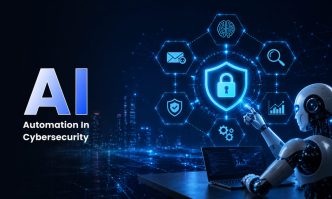
Security teams are required to monitor massive amounts of data, analyze suspicious activities, and respond to incidents in real time. This is where AI Automation in Cybersecurity is changing the landscape.
AI-powered automation enables organizations to detect threats faster, respond to incidents more efficiently, and improve overall security operations. By combining intelligent technologies with automated workflows, businesses can reduce manual effort while strengthening their digital defense systems.
The adoption of AI-driven cybersecurity solutions is growing rapidly across industries because businesses need smarter, faster, and more scalable ways to protect sensitive data and critical systems. As cyber threats continue to evolve, AI automation is becoming a key component of modern cybersecurity strategies.
What is AI Automation in Cybersecurity?
AI Automation in Cybersecurity refers to the use of artificial intelligence and automated technologies to detect, analyze, prevent, and respond to cyber threats with minimal human intervention.
These systems use intelligent algorithms, machine learning, and analytics to continuously monitor networks and identify suspicious behavior.
Unlike traditional security systems that rely on predefined rules, AI-powered cybersecurity solutions can learn from data patterns and adapt to new threats over time. This allows businesses to improve threat detection accuracy and significantly reduce response times.
AI automation can handle repetitive security tasks such as log analysis, vulnerability scanning, malware detection, and incident response. By automating these operations, cybersecurity teams can focus on more strategic and complex security challenges.
The integration of AI into cybersecurity also helps organizations manage increasing data volumes, improve operational efficiency, and strengthen overall digital resilience.
Why Do Businesses Need AI Automation in Cybersecurity?
The digital transformation of businesses has increased the number of devices, applications, and networks connected to enterprise systems. While this improves operational efficiency, it also creates more entry points for cybercriminals.
Organizations handle thousands of security alerts daily, making it difficult for human teams to investigate every incident effectively. AI automation helps solve this problem by identifying real threats, filtering false positives, and responding to incidents quickly.
Cyberattacks are also becoming more sophisticated. Hackers now use advanced techniques that can bypass traditional security systems. AI-driven cybersecurity solutions continuously learn and adapt, making them more effective against evolving threats.
Another major reason businesses need AI automation is the shortage of cybersecurity professionals. Many organizations struggle to find skilled experts capable of managing modern security environments. Automated systems help reduce this burden by handling repetitive and time-consuming tasks.
Additionally, businesses need faster response times to minimize damage caused by cyberattacks. AI-powered systems can detect and contain threats within seconds, helping organizations avoid financial losses and reputational damage.
How AI Automation Works in Cybersecurity?
AI automation in cybersecurity combines machine learning, data analytics, and intelligent algorithms to automatically identify and respond to threats. These systems continuously collect and analyze large amounts of security-related data from networks, devices, applications, and user activities.
The technology learns from historical attack patterns and user behavior to identify unusual activities that may indicate a cyber threat. Once suspicious behavior is detected, automated systems can take immediate action such as blocking access, isolating affected systems, or alerting security teams.
AI automation also improves over time through continuous learning. As systems process more data, they become better at distinguishing between legitimate activities and potential attacks. This helps reduce false alarms and improve detection accuracy.
By integrating automation with intelligent analytics, organizations can create proactive cybersecurity environments that prevent attacks before they cause serious damage.
Key Technologies Behind AI Automation in Cybersecurity
Several advanced technologies power AI-driven cybersecurity systems. These technologies work together to create intelligent and scalable security infrastructures.
Machine Learning
Machine learning enables cybersecurity systems to analyze large datasets and identify hidden patterns associated with cyber threats. It helps systems recognize anomalies, predict attacks, and improve detection accuracy over time.
Machine learning models continuously adapt to new attack methods, making them highly effective against evolving cyber threats.
Natural Language Processing
Natural Language Processing helps systems analyze text-based data such as emails, messages, and threat intelligence reports. This technology is useful for detecting phishing attacks, malicious communications, and suspicious content.
It also enables automated analysis of cybersecurity reports and threat feeds.
Behavioral Analytics
Behavioral analytics focuses on understanding normal user and system behavior. AI systems compare ongoing activities with established patterns to detect unusual behavior that may indicate insider threats or compromised accounts.
This helps organizations identify attacks that traditional rule-based systems might miss.
Robotic Process Automation
Robotic Process Automation automates repetitive cybersecurity tasks such as vulnerability scans, compliance checks, and log management. This reduces manual workload and improves operational efficiency.
When integrated with AI, RPA creates more intelligent and adaptive security workflows.
Threat Intelligence Platforms
AI-powered threat intelligence platforms gather and analyze information from multiple sources to identify emerging cyber threats. These platforms help organizations stay up to date on attack trends and strengthen preventive measures.
Benefits of AI Automation in Cybersecurity
AI automation offers several benefits that help organizations strengthen security operations while improving efficiency and scalability.
Faster Threat Detection
AI systems analyze massive amounts of data in real time, allowing businesses to identify threats much faster than traditional methods. This reduces the time attackers have to exploit vulnerabilities.
Improved Incident Response
Automated systems can respond to threats immediately by isolating affected systems or blocking malicious activities. Faster response times help minimize damage and downtime.
Reduced Human Errors
Manual security monitoring often leads to missed threats or incorrect assessments. AI automation improves accuracy and reduces the chances of human errors in threat analysis.
Better Scalability
Modern enterprises generate huge volumes of security data daily. AI-powered systems can scale easily to handle increasing workloads without affecting performance.
Enhanced Security Efficiency
Automation reduces repetitive tasks, enabling cybersecurity teams to focus on high-priority security initiatives and strategic planning.
Continuous Monitoring
AI-driven systems operate 24/7, ensuring constant monitoring of networks and systems without interruptions. This improves overall security visibility.
Real Examples of AI Automation in Cybersecurity
Businesses across industries are already using AI automation to improve cybersecurity operations and reduce risks. These real-world examples demonstrate how intelligent systems are transforming digital security.
Financial Institutions
Banks use AI-powered fraud detection systems to monitor transactions in real time. These systems identify suspicious activities and prevent unauthorized access instantly.
Healthcare Organizations
Hospitals use automated cybersecurity tools to protect patient data and detect ransomware attacks. AI systems help identify unusual access attempts and secure medical records.
eCommerce Platforms
Online businesses use AI automation to detect fraudulent transactions, monitor user behavior, and secure payment gateways. This improves customer trust and transaction security.
Manufacturing Companies
Manufacturers use AI-driven monitoring systems to protect industrial control systems and prevent cyberattacks targeting operational technology infrastructure.
Government Agencies
Government organizations use AI-powered threat intelligence systems to monitor cyber threats and protect critical infrastructure from large-scale attacks.
Use Cases of AI Automation in Cybersecurity
AI automation is being used across various cybersecurity operations to improve protection and efficiency.
Malware Detection
AI systems analyze files and applications to identify malware based on behavioral patterns rather than relying solely on known signatures. This helps detect new and unknown threats.
Phishing Prevention
AI-powered tools analyze emails, links, and messages to detect phishing attempts and prevent users from accessing malicious content.
Network Security Monitoring
Automated systems continuously monitor network traffic to identify unusual activities and prevent unauthorized access.
Vulnerability Management
AI automation helps organizations identify vulnerabilities in systems and prioritize remediation efforts based on risk levels.
Identity and Access Management
AI systems monitor login activities and user behavior to detect suspicious access attempts and prevent account compromise.
Security Operations Center Automation
Many organizations use AI to automate SOC operations, including alert management, incident analysis, and reporting. This improves efficiency and reduces response times.
Challenges of Implementing AI Automation in Cybersecurity
Despite its advantages, implementing AI automation in cybersecurity also comes with challenges that businesses need to address carefully.
High Initial Investment
Advanced cybersecurity solutions often require significant investment in technology, infrastructure, and skilled professionals.
Data Privacy Concerns
AI systems process large volumes of sensitive information, making data privacy and compliance important considerations in AI in business process automation.
Integration Complexity
Integrating AI-powered security systems with existing infrastructure can be technically challenging and time-consuming.
False Positives
Although AI improves detection accuracy, systems may still generate false alerts that require human validation.
Evolving Cyber Threats
Cybercriminals continuously adapt their techniques, requiring AI systems to evolve and improve constantly.
Skill Gaps
Organizations may face difficulties finding cybersecurity professionals with expertise in AI-driven security technologies.
Future Trends in AI Automation in Cybersecurity
The future of AI automation in cybersecurity will be shaped by innovation, intelligent analytics, and proactive threat management strategies.
Businesses are expected to adopt more advanced systems to combat evolving cyber risks.
Predictive Threat Detection
Future AI systems will predict attacks before they occur by analyzing behavioral patterns and historical data. This will improve proactive defense capabilities.
Autonomous Security Systems
Organizations will increasingly adopt autonomous security solutions capable of detecting and responding to threats without human intervention.
AI-Powered Zero Trust Security
Zero trust models integrated with AI will continuously verify users and devices to strengthen access control and reduce security risks.
Advanced Threat Intelligence
AI-powered threat intelligence platforms will provide real-time insights into global cyber threats and attack trends.
Integration with Cloud Security
As cloud adoption grows, AI automation will play a major role in securing cloud environments and preventing unauthorized access.
Best Practices for Implementing AI Automation in Cybersecurity
Businesses need a strategic approach to successfully implement AI-powered cybersecurity systems. Following best practices helps maximize efficiency and minimize risks.
Define Security Objectives
Organizations should identify their security priorities and determine which processes can benefit most from automation.
Ensure High-Quality Data
Accurate and clean data is essential for training AI systems effectively and improving detection capabilities.
Combine Human Expertise with AI
AI automation should support cybersecurity teams rather than completely replace them. Human expertise remains critical for handling complex threats.
Regularly Update Systems
Cyber threats evolve constantly, making regular updates and continuous learning essential for AI-powered security solutions.
Focus on Compliance and Privacy
Businesses must ensure their AI systems comply with data privacy regulations and industry security standards.
How BigDataCentric Helps Businesses Implement AI Automation in Cybersecurity?
Implementing AI-driven cybersecurity solutions requires expertise, strategic planning, and advanced technology capabilities. BigDataCentric helps businesses build intelligent security infrastructures that improve protection and operational efficiency.
Customized Cybersecurity Solutions
BigDataCentric develops tailored, AI-powered cybersecurity systems that meet unique business security requirements and industry standards.
Expertise in Intelligent Technologies
Their team leverages machine learning, analytics, automation, and modern cybersecurity frameworks to create scalable and adaptive security environments.
Real-Time Threat Monitoring
BigDataCentric helps organizations implement real-time threat detection and automated incident response systems that improve security visibility and response times.
Seamless Integration
Their solutions integrate smoothly with existing IT infrastructure, ensuring minimal disruption during implementation.
Continuous Support and Optimization
From strategy and deployment to monitoring and optimization, BigDataCentric provides end-to-end support throughout the cybersecurity automation journey.
Conclusion
AI Automation in Cybersecurity is transforming how organizations protect digital assets, detect threats, and manage security operations. As cyberattacks become more sophisticated, businesses need intelligent and scalable security solutions that can respond in real time.
By combining automation with advanced technologies such as machine learning, analytics, and behavioral monitoring, organizations can improve threat detection, reduce operational complexity, and strengthen overall cybersecurity resilience.
Although challenges exist, the long-term benefits of AI-driven cybersecurity far outweigh the risks. Businesses that invest in intelligent security automation today will be better prepared to handle future cyber threats and maintain a strong competitive advantage.
Partnering with experienced providers like BigDataCentric enables organizations to implement effective AI-powered cybersecurity strategies that support long-term digital growth and security success.