
Artificial intelligence is becoming part of daily work for creators, startups, agencies and business teams. Some tools help people write faster. Others organize research, automate support or improve analytics. Video generation is now joining that list, but it brings a different challenge.
Video is harder to produce than text because it combines story, motion, timing, audio, images and visual consistency. A useful video does not only need to look impressive. It needs to match the message, platform and audience. That is why the future of AI video may depend less on single prompts and more on better creative workflows.
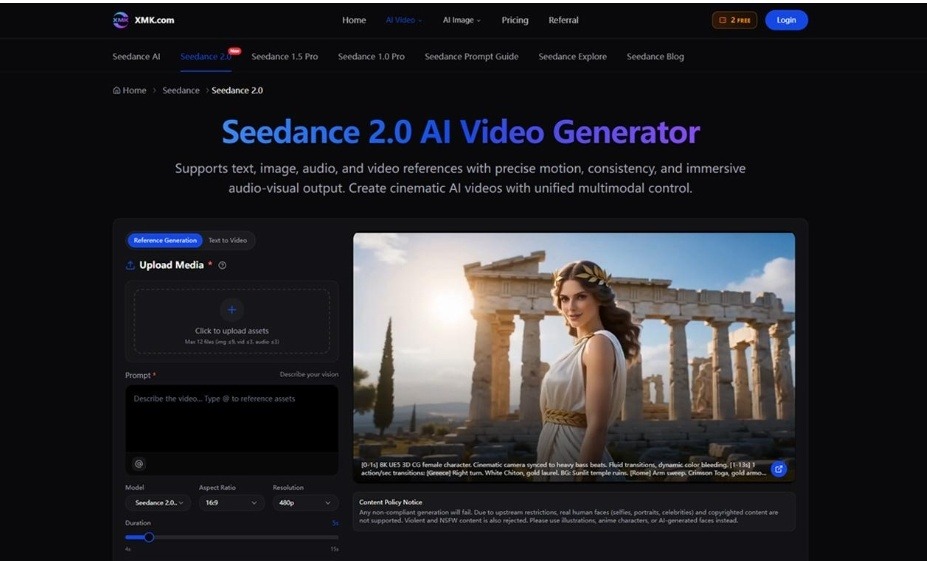
For technology teams and content producers, this is an important distinction. A model can generate a clip, but a workflow helps people turn ideas, references and feedback into something usable. Tools such as Seedance 2.0 are part of this shift because they support text, image, audio and video references in one generation process.
AI Video Is Becoming a Practical Tool
AI video used to feel experimental. Many early outputs were interesting to watch but difficult to control. Today, the discussion is becoming more practical. Teams want to know whether AI video can help them create product demos, social media clips, campaign drafts, training videos, explainers and visual prototypes.
This matters for startups, digital agencies, SMEs and media teams that need to publish more visual content without always having large production budgets. A short video can help explain a product, introduce a new feature, tell a customer story or make a campaign easier to understand.
The problem is that video production can slow teams down. Even a simple clip may require footage, editing, music, captions and several versions for different platforms. AI video can reduce some of that friction by helping teams create early drafts from existing materials.
From Static Assets to Moving Drafts
Most organizations already have useful content assets. They may have product screenshots, campaign images, brand visuals, short clips, audio notes or previous videos. The challenge is turning those assets into a coherent video concept.
Seedance 2.0 is built around that type of workflow. Instead of starting only from a blank text prompt, users can upload references and describe how each asset should be used. An image can act as a first frame or visual reference. A video can guide motion. Audio can influence rhythm. A prompt can describe lighting, camera movement, scene changes and mood.
This is useful because many teams do not begin with a polished creative brief. They begin with scattered materials and a deadline. A visual draft helps the team decide whether the idea is clear enough before spending more time on production.
Why Reference Control Matters
One of the biggest weaknesses of AI video is unpredictability. A prompt may generate a visually strong result, but it can miss the exact product, character, scene or pacing the team needs.
Reference control helps reduce that gap. With AI video generation with Seedance, users can guide the output through multiple inputs instead of relying on text alone. This makes the process more useful for real-world content where brand assets, product details and campaign tone matter.
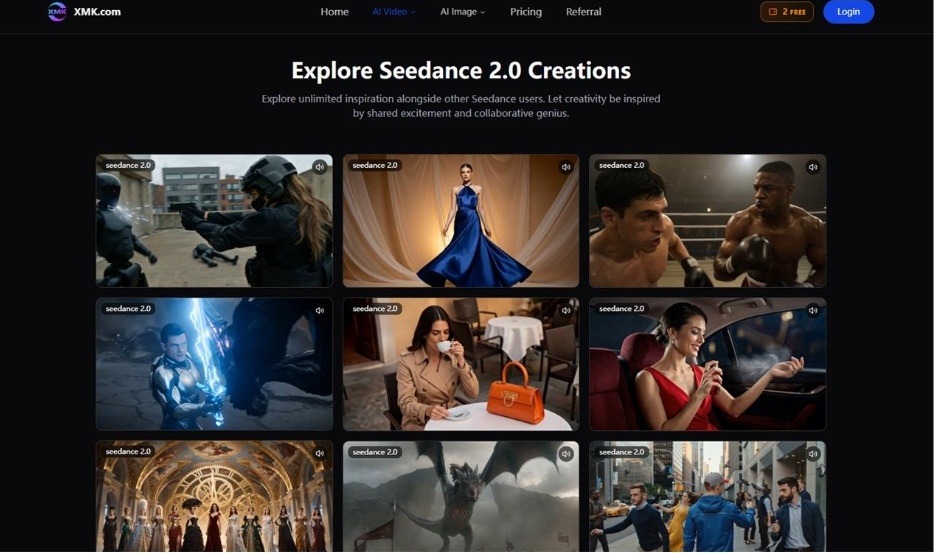
For example, a startup could turn a product screenshot into a short feature teaser. A training company could create a visual draft for a course introduction. A social media team could test different versions of a campaign clip before choosing the strongest direction.
Better Workflows Reduce Failed AI Projects
Many AI projects fail because teams treat the tool as the whole solution. In practice, AI works better when it is connected to a clear process.
For AI video, that process can be simple:
- Define the goal of the video.
- Gather images, clips, audio or brand references.
- Write a prompt that explains motion, mood, pacing and format.
- Generate a short draft.
- Review clarity, consistency and audience fit.
- Refine the strongest version or send it to an editor for finishing.
This type of workflow helps teams avoid random outputs. It also makes feedback easier. Instead of saying a video should be “more engaging,” the team can point to a draft and discuss the opening frame, camera movement, pacing or product visibility.
Use Cases for Creators and Businesses
The most realistic use cases are not always the most dramatic. AI video is often valuable in small, repeated tasks that consume time.
A creator can turn a podcast quote into a more visual short. A retailer can test a product teaser from still images. A fintech startup can create a short explainer for a new feature. A digital agency can prepare several campaign concepts before presenting options to a client.
For these teams, creating videos with Seedance can support faster iteration. The platform’s multimodal controls make it easier to work from existing assets and refine the result without rebuilding every idea from the beginning.
That does not remove the need for editors, designers or creative directors. It gives them a faster starting point. Human judgment is still needed to decide what looks credible, what fits the brand and what should be published.
What This Means for AI Adoption
The value of AI video will not be measured only by how impressive a generated clip looks. It will be measured by how well the tool fits into daily work.
For businesses and creators, the practical question is whether AI video can reduce delays, improve idea testing and help teams publish better content. Seedance 2.0 points toward that direction by combining references, prompts and editable video direction in one workflow.
As AI adoption grows, the teams that benefit most will be the ones that build clear processes around the tools they use. A good prompt can create a clip. A good workflow can help turn that clip into useful communication.
That is where AI video becomes more than a novelty. It becomes part of the production process: helping teams move from assets to drafts, from drafts to decisions, and from decisions to content that reaches an audience.