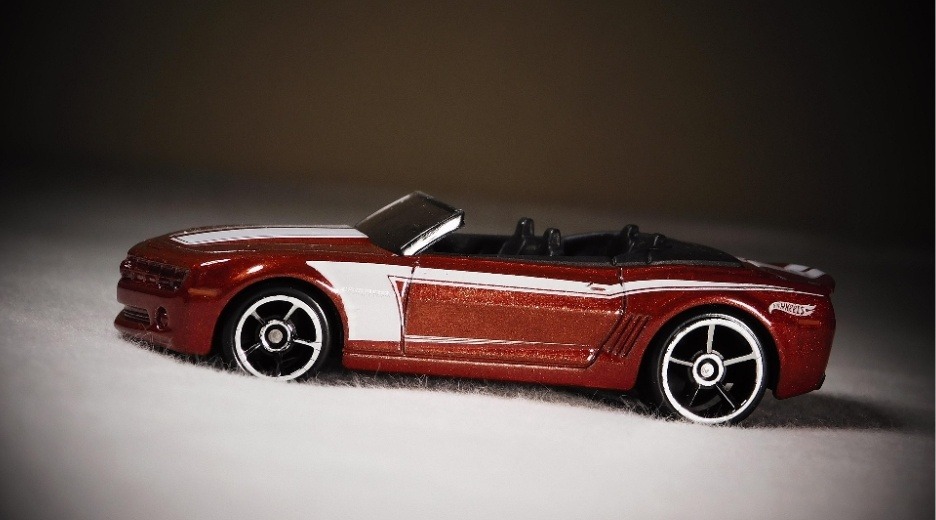
Every seasoned vintage diecast enthusiast remembers the exact moment the obsession took root. For many of us, it was the thrill of digging through a dusty cigar box or an old childhood toy chest buried in the basement, moving aside plastic army men and worn Matchbox cars, only to spot that unmistakable flash of reflective Spectraflame paint. Finding an original first-year car with that iconic red stripe on the tire sidewall is not just a nostalgia trip, it is like uncovering a hidden treasure.
Long before modern limited editions, treasure hunts, and convention exclusives dominated the hobby, the original 1968 Redlines established the entire foundation of Hot Wheels collecting. Their brilliant, candy-like finishes, deep-dish wheels, and heavy, solid metal construction instantly separated them from every other toy car on store shelves during the late 1960s. Today, more than five decades after they first rolled off assembly lines, these debut-year models remain some of the most desirable, historically important, and financially valuable diecast vehicles ever created.
However, determining accurate values in 2026 has become increasingly challenging for hobbyists. Between cleverly restored cars, high-quality reproduction parts, misleading online auction listings, and rapidly shifting market demand, identifying truly valuable pieces requires deep historical knowledge. That is why experienced collectors regularly rely on trusted red line hot wheels value resources to compare verified market sales, study factory-original features, and understand exactly how casting variations, color rarity, and condition scores dictate real-world pricing.
How to Identify Authentic 1968 Hot Wheels
Before you can ever begin consulting a pricing matrix or estimating market values, you must master the art of authentication. Because values have climbed significantly over the past few years, the market has seen an influx of highly detailed restorations, wheel swaps, and reproduction bodies. Learning how to spot genuine original 1968 hot wheels versus clever modern fakes or heavily altered toys is the single most important skill a collector can develop.
When you are examining a potential 1968 model, your evaluation process should focus heavily on the fine details of factory construction. The original line of cars, often referred to by collectors as the “Original 16” or “Sweet 16,” was split between two primary manufacturing facilities: the main plant in the United States and a secondary facility in Hong Kong. This split production created distinct structural variations that drive the modern collecting market.
1. Base Stamps and Rivet Anatomy
Turn the vehicle over and look closely at the metal undercarriage. Original 1968 releases feature a solid metal base stamped with the car’s name, Mattel Inc., the year 1967 (which denotes the patent date, not the release year), and the country of manufacture.
Pay close attention to the rivets holding the chassis and body together. Factory-original rivets are smooth, rounded, and perfectly flush with the base. If a rivet looks messy, drilled out, indented, or replaced with epoxy, the car has likely been opened up to swap out the interior, glass, or wheels, which instantly slashes its collector value.
2. Wheel Style and Axle Mechanics
The wheels on a true 1968 release are distinct. They feature a deep-dish chrome insert surrounded by a hard plastic tire with a painted red stripe. Early 1968 USA-built cars utilize a unique “bearing” style wheel assembly where the wheel snap-fits onto a small plastic bearing on the axle. Hong Kong versions, by contrast, feature a slightly different wheel profile and often have painted silver hubs.
The suspension wire system used in 1968 was incredibly thin and flexible, giving the cars their legendary speed. Check to ensure the axles are perfectly straight; bent axles are a sign of heavy play-wear and drop a car’s grade significantly.
3. Spectraflame Paint Texture and Glass Variations
True Spectraflame paint is a translucent, shimmering lacquer applied over a polished zinc-plated metal body. Over the decades, authentic Spectraflame develops a natural aging process. Advanced collectors look for “toning,” which is a slight, honest darkening of the paint, or micro-checking in the lacquer finish. If a car looks completely flawless with an incredibly bright, thick, or modern metallic paint job lacking any microscopic imperfections, it may be a high-end reproduction or a modern repaint.
Furthermore, check the windshield glass. USA models typically feature clear glass, while Hong Kong models frequently sport blue-tinted windows. Additionally, Hong Kong cars feature a small steering wheel molded into the interior dashboard, whereas USA models do not.
The Dynamic 1968 Hot Wheels Price Guide
Once you have verified that a vehicle is completely original and unaltered, you can begin assessing its true market value. Because values fluctuate continuously based on real-world auction data and private club sales, relying on static, printed handbooks can give you a distorted view of the market. Utilizing a detailed, up-to-date 1968 hot wheels price guide is essential for identifying which specific casting variations and color choices command top-dollar premiums today.
To understand why prices vary so wildly, look no further than the “Three Cs” of Redline collecting: Casting, Color, and Condition. The casting determines base rarity, but the exterior paint color is often the ultimate wild card. Mattel painted these cars in a spectrum of vibrant shades, but some colors were produced in far smaller numbers or were quickly discontinued. Common colors like blue, red, and aqua sit at the baseline of the market, while rare shades like pink, purple, antifreeze, and lime enamel can easily push a car’s price into the thousands.
The following data outlines the current 2026 collector valuation ranges for the primary 1968 models, assuming complete factory-original parts.
| 1968 Model Casting | Key Rarity and Production Drivers to Look For | Value Range (Good to Fine) | Premium Range (Near-Mint to Mint) |
| Custom Camaro | The car that started it all. Look for early USA “over-chrome” prototypes or rare white enamel versions. | $200 – $750 | $1,500 – $5,000+ |
| Beatnik Bandit | Designed by Ed “Big Daddy” Roth. Features a clear or tinted bubble top. Check for cracked plastic roofs. | $250 – $600 | $1,200 – $4,500+ |
| Deora | A sleek, surf-inspired custom pickup complete with two removable plastic surfboards. Missing boards reduce value. | $300 – $850 | $1,800 – $6,000+ |
| Python | Also known as the Cheetah in ultra-rare prototype phases. Features a distinctive aggressive stance. | $200 – $550 | $1,100 – $3,500+ |
| Custom Barracuda | Classic American muscle. Hong Kong variations with dark painted roofs and unique grills are highly prized. | $250 – $700 | $1,600 – $5,500+ |
| Silhouette | A futuristic, long-nosed show car styling. Highly susceptible to inner engine chrome tarnish and canopy scuffs. | $300 – $650 | $1,400 – $4,000+ |
The Importance of Spectraflame Color Rarity
Among serious Redline collectors, color rarity often becomes the biggest value multiplier of all.
Certain colors were simply produced in lower numbers or survived in much smaller quantities over the decades. Common shades like blue, aqua, and red remain highly collectible but appear more frequently in the marketplace.
Rare colors such as pink, purple, antifreeze, and lime sit in an entirely different category.
Pink especially has become one of the most legendary colors in Redline collecting because relatively few examples survived from the late 1960s. When a genuine pink Original 16 casting appears in strong original condition, collector competition becomes extremely aggressive.
Color rarity alone can sometimes create value differences of several thousand dollars between two otherwise identical cars.
Why Market Knowledge Matters More Than Ever in 2026
The vintage Hot Wheels market has evolved dramatically over the past decade.
International buyers, online auctions, social media collector groups, and growing nostalgia have pushed many premium 1968 Redlines into a much higher collector tier than ever before. At the same time, misinformation has also exploded throughout the hobby.
Many sellers mistakenly assume every old Hot Wheels car is automatically valuable. Others unknowingly sell rare variations far below realistic market pricing because they fail to recognize factory differences or color rarity.
Online marketplaces have also created confusion by displaying inflated asking prices that often do not reflect actual sold-market value.
This is why experienced collectors spend so much time studying:
- Verified auction results
- Production variations
- Factory-original features
- Historical sales trends
- Authentication details
Understanding the difference between a restored example and a true original has become absolutely critical in modern Redline collecting.
Why Professional Evaluations Have Become Important
As values continue rising, many collectors now seek experienced evaluations before buying, selling, insuring, or inheriting vintage Redline collections.
A professional evaluation simply means having an experienced specialist inspect your cars to determine:
- Authenticity
- Condition
- Production variation
- Restoration history
- Current market value
This becomes especially important for inherited collections or childhood toy boxes where owners may not realize the significance of what they actually possess.
As collector values continue to climb, understanding proper Redline Hot Wheels grading has become increasingly important. Accurate grading helps collectors evaluate paint quality, originality, wheel condition, and overall preservation, all of which can significantly impact a vehicle’s market value and desirability among serious buyers.
For collectors who want to move beyond internet guesswork, Redline Archeology has become a trusted resource within the vintage Hot Wheels hobby. Unlike general resellers or online auction platforms, they specialize exclusively in sourcing, evaluating, and purchasing original childhood collections from the 1967–1977 Redline era, the very years that define the hobby’s most historically significant and financially valuable pieces. Their experienced buyers help collectors identify authentic pieces, recognize rare variations, and understand realistic market values without the uncertainty that surrounds online marketplaces.
More importantly, these first-year Redlines continue thriving because they represent far more than collectible toys. They are miniature pieces of late-1960s American automotive culture that helped shape the entire diecast hobby. Even after more than five decades, the original 1968 lineup remains the benchmark by which all Hot Wheels collecting is still measured today.