Uganda is making remarkable progress in expanding broadband connectivity. Fiber internet is reaching more homes, businesses, schools, and institutions than ever before, helping to power the country’s digital transformation. But hidden beneath this success is a growing infrastructure challenge that, if left unchecked, will become increasingly expensive and difficult to solve.
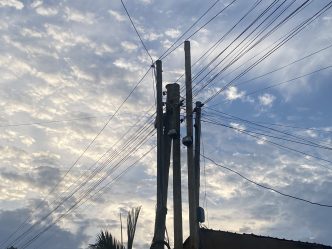
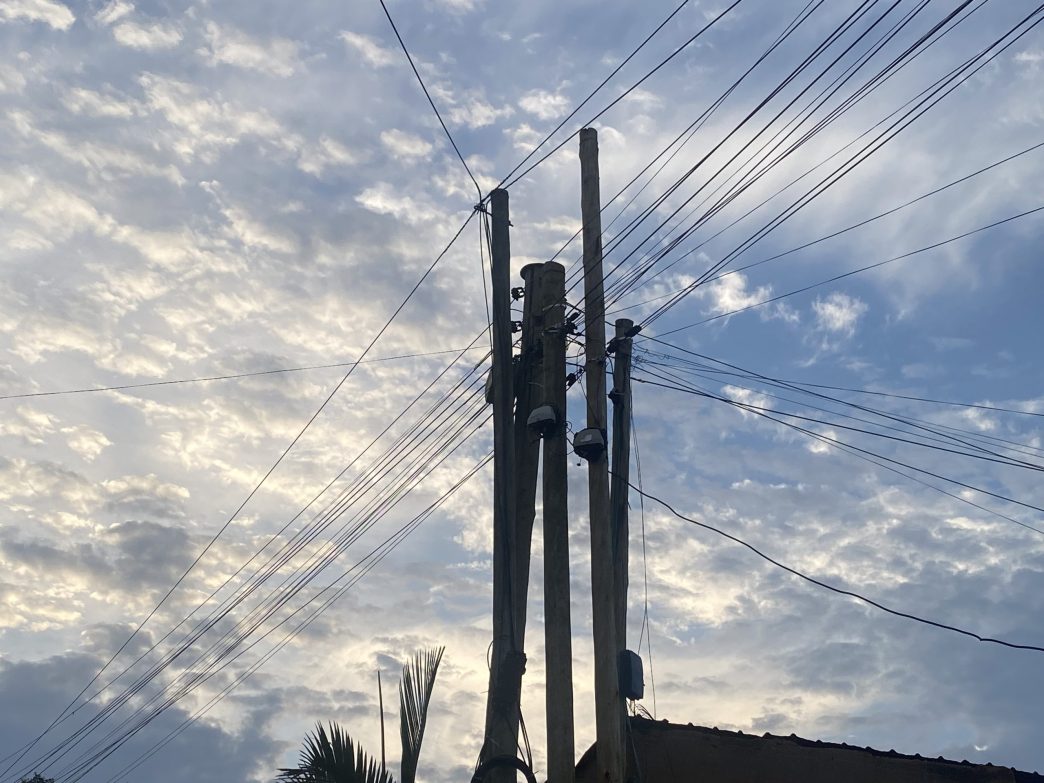
Across our urban centres, particularly at busy road junctions, every fiber internet provider is building its own utility pole network. It is now common to find four, five, or even more poles standing side by side, each carrying cables belonging to a different company.
The result is unnecessary visual clutter, duplication of investment, inefficient use of public space, and growing maintenance challenges. More importantly, it represents a missed opportunity for the telecommunications industry to work smarter.
Uganda has already solved a similar problem before.
When mobile telecommunications expanded rapidly, operators did not continue building separate towers at every location. Instead, the industry embraced infrastructure sharing. Today, independent tower companies own and manage much of the telecommunications tower infrastructure, allowing multiple operators to install their equipment on the same structures while continuing to compete aggressively on network quality, pricing, and customer service.
Consumers rarely notice who owns the tower because ownership of infrastructure has never limited competition. The same thinking should now be applied to fiber deployment.
Rather than every internet service provider constructing its own pole network, Uganda should move toward a shared passive infrastructure model. Providers would continue owning their fiber cables, network equipment, customers, and services, but they would share the supporting pole infrastructure.
There are three practical approaches.
The first is an industry consortium in which fiber providers jointly establish and maintain a unified pole network. Each company contributes investment based on agreed principles while retaining equal access to the infrastructure.
The second, and perhaps more scalable option, is the creation or expansion of an independent infrastructure company whose sole responsibility is owning and maintaining utility poles. Internet service providers would simply lease space for their fiber, much like mobile operators lease tower space today.
The third is to use infrastructure from exisiting unitlity service providers like UEDCL. Considering that they have the most extensive network of poles in all residential and commercial areas,cases were poles are needed will be close to zero.
All models allow competition to flourish while eliminating unnecessary duplication.
The benefits are substantial.
For service providers, shared infrastructure dramatically reduces capital expenditure. Instead of repeatedly investing in poles, companies can redirect resources toward expanding coverage, improving service quality, strengthening customer support, and investing in faster technologies. Maintenance costs also fall because a single professionally managed infrastructure replaces multiple parallel systems.
Fewer poles mean cleaner roads, better urban planning, and improved public safety. Shared infrastructure also makes it easier to accelerate broadband rollout into underserved communities by lowering deployment costs.
Around the world, governments have embraced infrastructure sharing to reduce costs and maximize efficiency. Australia consolidated much of its broadband infrastructure through their National Broadband Network. Singapore has long relied on shared passive fiber infrastructure to support nationwide connectivity. Across Europe, regulators increasingly require access to existing utility infrastructure to prevent wasteful duplication and encourage competition.
Uganda already possesses the experience needed to implement such a model. The telecommunications sector has demonstrated that infrastructure sharing can reduce costs while maintaining healthy market competition.
The timing is critical. Every month, new poles are erected across our towns and cities. Every new standalone deployment increases the future cost and complexity of consolidation. Delaying action means locking Uganda into decades of unnecessary infrastructure duplication.
As Uganda continues its journey toward a digital economy, our infrastructure should reflect principles of efficiency, sustainability, and smart urban development.