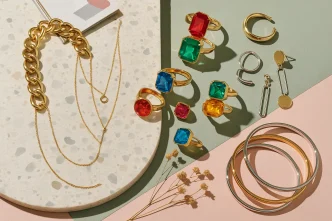
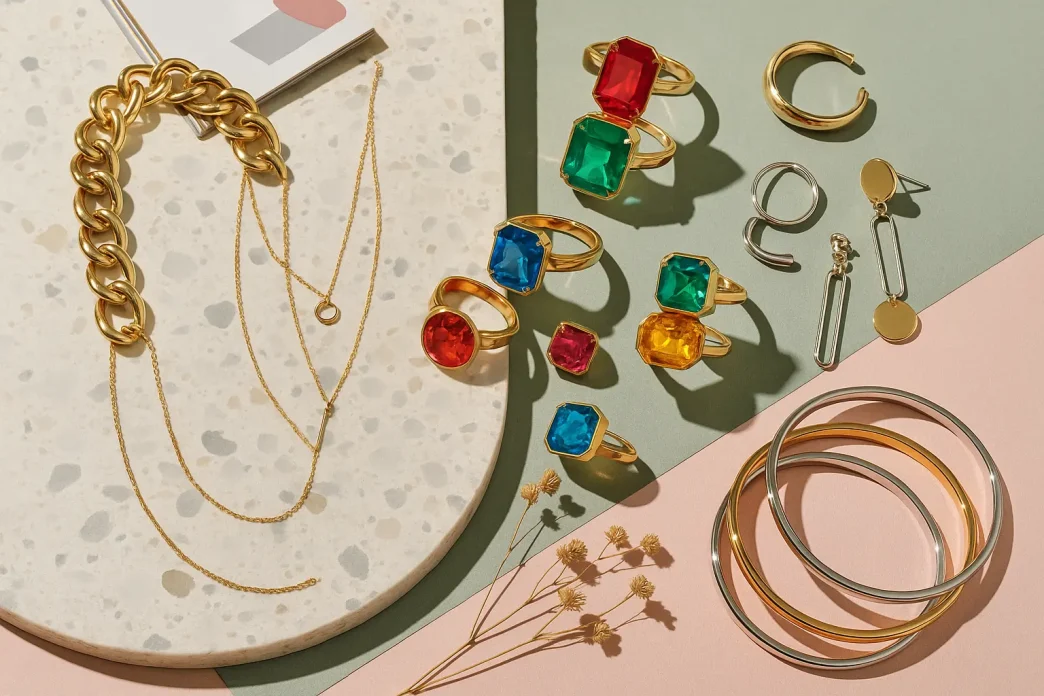
Runway jewelry knows how to steal a headline, especially when fashion celebrities and magazines turn one look into “the trend of the moment”. Okay, to elaborate further if you’re a jewelry brand, that buzz can be tempting, but attention does not always translate into lasting demand.
Seasonal collections can generate timely sales, attract customers who are ready to spend, and give a brand greater visibility, but their selling window is short. Everyday staples do the quieter, more dependable work: they earn repeat sales through comfort, quality, durability, and regular wear. For new brands and businesses entering a new niche, the strongest catalog is built on both: a core collection that sells throughout the year and carefully chosen seasonal designs that create fresh reasons to buy.
Why is seasonality important?
Jewelry demand rises reliably during emotionally driven occasions such as Valentine’s Day and Mother’s Day, as well as broader seasons like spring and summer. Throughout these macro-seasons, you can also expect smaller trend spikes that create short bursts of high demand around specific design concepts(like the molten and liquid jewelry trend that is flooding Etsy & Amazon search results). While the major seasons remain consistent year after year, the micro trends with the major seasonal periods are what you really need to watch for.
For jewelry buyers, this makes seasonality easier to plan for. You already know when the main selling periods are likely to happen, so at this point the real challenge for you is timing. A flexible factory-direct earring wholesaler can help you prepare for demand without tying up too much money in stock, leaving you more time to focus on selling.
What are the primary micro seasons?
Everyone is prepared for the macro seasons, more or less. You have a company that provides wholesale hoop earrings and other general products. But what are the micro seasons and how can you prepare for them? Here’s what you want to know:
- Local celebrations and cultural festivals tend to be regional affairs, but also times when you can sell a lot of jewelry. During these, there’s a high demand for boho-themed products, charms and even layered necklaces. Local-themed items can also sell very well during this time.
- Sports seasons also tend to have very specific conversion cycles. Most customers will buy jewelry that fits their team’s jersey, so you want to know the color patterns and stock up wholesale for earrings accordingly.
- Regional holidays are also a micro season you want to prepare for. Generally, you want charms, stripes, stars and stuff that features the country’s colors. Or, in some cases, you want charms that represent something specific to the country.
One thing to consider about micro seasons is they don’t replace a larger season, instead it’s something that seamlessly blends with a macro season. You want to stock up for the micro season as you also stock up for the macro season, so you can always be prepared for the demand.
B2B Moments: Where Wholesalers See Unique Opportunities
While that logic applies to the B2C market, there are also innate B2B opportunities you need to think about. But what you will notice is a priority shift. Companies, universities, even the event organizers tend to acquire jewelry in bulk during other times. These are either promotional campaigns, team events, graduation time, employee gifting situations or during a large merchandising run.
Generally, B2B clients want wholesale for earrings and focus on an expansive catalog, great advance production capabilities and a reliable business partner. It’s also why many B2B clients tend to find an experienced manufacturer and they stick with them.
What evergreen models should you have in your store during the entire year?
It makes sense to have seasonal products in stock, but at the same time, you should always stock up on everyday staples designs that bring in orders, especially during the low season. In the case of teens and kids, you want to have cute designs, small animals, rainbows, unicorns, initials and zodiac signs. These models are widely sought after by parents all-year-round.
For adults, you can have classic hoops and models, CZ solitaires, but also opals and pearls, minimalist items, geometric shapes, delicate motifs or even stars. Again, you want to focus on timeless items that sell well again and again.
Find the right balance?
After spending at least three years in a niche, most businesses begin to recognize when customers are ready to buy and when they are simply browsing. These patterns are specific to your business, audience, and brand.
But what if you are just starting out? Begin by looking at manufacturers with in-stock e-commerce catalogs. Their new arrivals are often influenced by the trend research they conduct for existing customers. Look for recurring patterns across their collections, then identify the designs that fit your niche.
The manufacturer’s specialization also matters. For example, a factory-direct wholesaler that focuses on hoop earrings and updates its catalog regularly is more likely to understand that category than a body jewelry manufacturer that sells a few other types of ear jewelry on the side.
Seasonal designs can help you capture short periods of high demand, but they should sit alongside proven, evergreen products. Those long-term sellers provide steadier sales and help maintain cash flow throughout the year.
Working with an experienced supplier
It’s crucial to focus on finding a supplier that can work wholesale for earrings and any other silver products you need. Wholesalers who are direct manufacturers have the capacity to assist brands like yours with both seasonal items as well as evergreen products. That way, you can have a consistent supply of items that fit the customer demands, which will help boost your profits.