Why Video to Text Matters for Modern Content Creators
Content creators, marketers, and educators are producing more video than ever, yet a huge portion of that content remains locked away from search engines, accessibility tools, and readers who simply prefer to skim rather than watch.
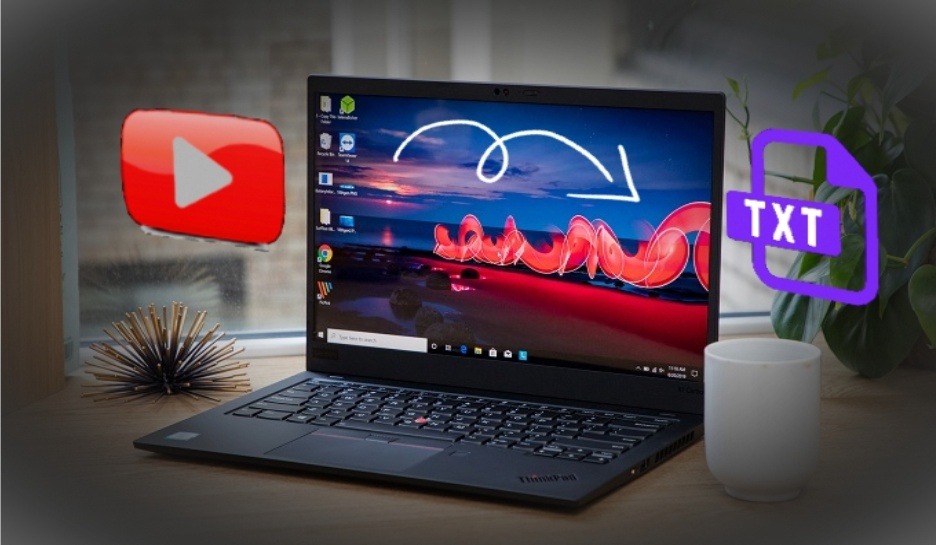
This is where Video to text conversion becomes essential. By transforming spoken dialogue into accurate written text, creators can unlock captions, transcripts, blog posts, and searchable archives from a single video file.
Whether you are a YouTuber, a podcaster repurposing episodes, or a business recording internal training sessions, converting video into text opens the door to wider audiences, better SEO performance, and improved accessibility for viewers who are deaf or hard of hearing.
The demand for transcription tools has grown alongside the explosion of video marketing, webinars, and online courses. People want to consume information in the format that suits them best, and having a text version of your video content means you are meeting your audience where they are, whether that is a quick scroll through a transcript or a full watch of the original clip.
How Video to Text Conversion Works
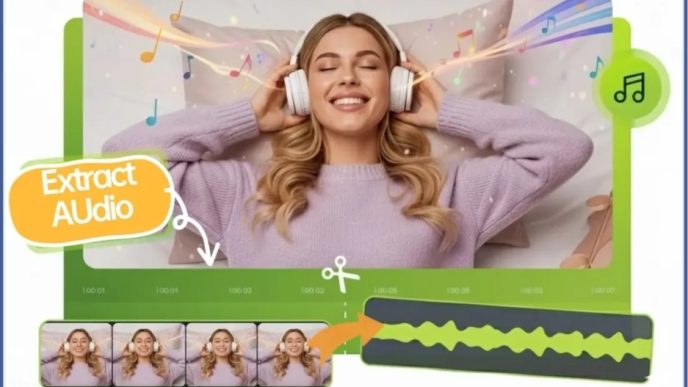
At its core, video to text technology relies on automatic speech recognition, often shortened to ASR. This process involves extracting the audio track from a video file, analyzing the sound waves, and matching spoken language patterns to a database of words and phrases. Modern systems use machine learning models trained on massive datasets of human speech, which allows them to recognize different accents, tones, and even background noise with impressive accuracy.
The steps typically look like this, the video file is uploaded to a transcription platform, the audio is separated and processed, the speech recognition engine converts audio into raw text, and finally, the text is formatted with punctuation, timestamps, and speaker labels if needed. Some platforms also offer translation features, allowing transcripts to be generated in multiple languages, which is especially useful for creators with a global audience.
The SEO and Accessibility Benefits of Transcribing Video Content
Search engines cannot watch a video the way a human can, they rely on text to understand what content is about. When you transcribe your videos, you give search engines a wealth of keyword rich content to crawl and index. This can significantly boost your organic visibility, since blog posts built from video transcripts tend to rank well because they naturally include long tail phrases and conversational language that match how people actually search.
Beyond SEO, transcription plays a major role in accessibility. Captions and transcripts make content usable for people with hearing impairments, non native speakers, and anyone watching in a sound sensitive environment like a public transit system or an open office. Many platforms and social media channels now favor videos with captions, since they tend to hold viewer attention longer, which in turn signals quality to recommendation algorithms.
Exploring Soundwise AI as a Practical Solution
One tool that has gained attention among creators and businesses looking to streamline this process is Soundwise AI. This platform is designed to make converting audio and video into text as simple and efficient as possible. Rather than manually transcribing hours of footage, users can rely on Soundwise AI to handle the heavy lifting through automated speech recognition.
A brief overview of what Soundwise AI offers includes fast and accurate transcription of video and audio files, support for multiple file formats so users are not restricted to a single type of upload, editing tools that allow users to refine and correct the generated text, and export options that let transcripts be downloaded in formats suitable for subtitles, blog content, or documentation.
Using the platform is straightforward. A user begins by uploading their video file to the Soundwise AI dashboard, then the system processes the audio and generates a text transcript within minutes. From there, users can review the output, make edits where necessary, and export the final version in their preferred format. This workflow removes much of the tedious manual work traditionally associated with transcription, freeing up time for creators to focus on producing more content rather than typing out every word by hand.
For businesses handling large volumes of recorded meetings, interviews, or training sessions, tools like this can save countless hours while maintaining a high level of accuracy. It also reduces the risk of human error that often comes with manual transcription, particularly when dealing with technical vocabulary or industry specific terminology.
Practical Applications Across Industries
The usefulness of converting video into text extends well beyond content marketing. Educators can transcribe lecture recordings to create study guides, journalists can turn interview footage into written articles, legal professionals can generate records from recorded depositions, and customer support teams can review call recordings more efficiently when they have a searchable text version available.
Podcasters, too, benefit greatly, since a transcript can be repurposed into show notes, social media snippets, or entire blog posts, extending the life and reach of a single recording. Even small business owners who post product demonstration videos can use transcripts to create detailed product descriptions or FAQ pages, turning a simple video into multiple pieces of useful content.
Conclusion
As video continues to dominate how people consume information online, the ability to convert that content into readable, searchable text has become a valuable skill and business tool. Video to text technology bridges the gap between spoken and written communication, making content more accessible, more discoverable, and more versatile. Platforms like Soundwise AI simplify this process, allowing creators, educators, and businesses to spend less time on manual transcription and more time creating meaningful content.
Whether the goal is better SEO, wider accessibility, or simply repurposing existing material, embracing video to text conversion is a smart step for anyone serious about growing their audience and impact.