Why Smoke Odors Continue Long After the Fire Is Gone
A fire may last only a short time, but the smoke it produces can continue affecting a property for weeks, months, or even years if it is not removed correctly. Smoke particles are incredibly small and travel throughout the building, settling on walls, ceilings, flooring, insulation, furniture, fabrics, and ventilation systems. As these particles become embedded in porous materials, they create persistent odors that ordinary cleaning products cannot eliminate.
Professional smoke odor removal is a specialized restoration process that focuses on identifying and eliminating the source of the odor instead of simply covering it with fragrances. Restoration professionals use advanced cleaning techniques, commercial-grade deodorizing equipment, and proven restoration methods to restore fresh indoor air while protecting the structure of the property. Every affected surface is carefully inspected to ensure hidden smoke contamination is properly addressed.
The type of fire also influences the severity of smoke damage. Fires involving wood, plastics, fabrics, electrical wiring, or cooking oils all produce different types of smoke residue, each requiring a unique cleaning approach. Understanding the nature of the contamination allows restoration specialists to create customized treatment plans that provide long-lasting results.Choosing professional restoration not only improves indoor comfort but also helps preserve the property’s appearance, value, and structural integrity.
How Smoke Travels Throughout a Building
Many people assume smoke damage is limited to the room where a fire occurred, but smoke spreads much farther than visible flames. Heat carries smoke through hallways, ventilation systems, ceiling spaces, wall cavities, and other hidden areas before the particles eventually settle onto surrounding surfaces.Once smoke cools, microscopic particles attach themselves to nearly every material inside the building. Painted walls, wooden cabinets, carpets, upholstery, curtains, insulation, and decorative finishes all absorb these contaminants to varying degrees. Because smoke particles penetrate below the surface, ordinary wiping and vacuuming rarely solve the problem completely.
Ventilation systems often become another source of recurring odors. Smoke particles trapped inside ductwork may continue circulating throughout the property whenever heating or air conditioning systems operate. Without professional inspection and cleaning, these hidden contaminants can repeatedly affect indoor air quality.Humidity further complicates smoke restoration. During warm or damp conditions, trapped smoke particles may become active again, causing odors to return even after basic cleaning has been completed. Professional restoration focuses on removing these particles completely so recurring odors do not develop.
Common Sources of Persistent Smoke Odors
Although structural fires are the most obvious cause of smoke damage, many other situations can create stubborn odors that require professional restoration.Kitchen fires frequently produce dense smoke that spreads quickly throughout nearby rooms. Burned food, grease fires, and overheated cooking oils generate oily smoke particles that cling tightly to cabinets, walls, ceilings, and appliances. Even minor cooking incidents may leave noticeable odors if proper cleaning is delayed.Electrical fires create another difficult restoration challenge. Burning insulation, plastic components, wiring, and electronic equipment release chemical residues that produce strong, lingering odors. Specialized restoration techniques are necessary to remove these contaminants safely.Fireplace smoke can gradually accumulate inside homes if ventilation systems function improperly. Repeated exposure over time allows smoke particles to settle on surrounding surfaces, creating persistent odors that become more noticeable during seasonal changes.
Commercial properties may experience smoke damage after equipment malfunctions, manufacturing incidents, or localized fires. Smoke contamination in offices, retail stores, warehouses, and industrial facilities can affect employees, customers, inventory, and business operations if not restored promptly.Long-term tobacco smoke also creates significant odor problems. Years of indoor smoking allow residue to penetrate walls, ceilings, flooring, furniture, and ventilation systems. Professional restoration removes these deeply embedded contaminants while restoring fresher indoor conditions.
Why Immediate Restoration Produces Better Results
Smoke damage becomes more difficult to remove the longer it remains inside the property. Immediate restoration reduces permanent staining, limits odor penetration, and improves the chances of restoring valuable building materials and personal belongings.Professional restoration teams begin by assessing the extent of smoke contamination before selecting the most effective cleaning methods. Early intervention prevents smoke particles from bonding permanently with painted surfaces, wood finishes, fabrics, and structural materials.
Quick restoration also improves indoor air quality. Smoke residue continues releasing odor-causing particles until complete cleaning and deodorization have been performed. Eliminating these contaminants early creates a healthier indoor environment while reducing discomfort for occupants.Fast action often reduces overall restoration costs as well. Removing smoke contamination before it spreads deeper into porous materials limits unnecessary replacement and shortens the overall recovery process.
The Professional Smoke Restoration Process
Successful smoke restoration requires much more than ordinary cleaning. Professional restoration follows a carefully planned sequence designed to remove contamination completely while protecting the property from additional damage.Every project begins with a comprehensive inspection. Restoration specialists evaluate smoke intensity, identify affected materials, locate hidden contamination, and determine the most effective restoration strategy for each area of the property.
Loose soot and surface residue are carefully removed using specialized cleaning equipment before deep cleaning begins. Different materials require different cleaning techniques to avoid damage while effectively eliminating smoke contamination.Once visible residue has been removed, technicians clean walls, ceilings, flooring, cabinetry, furniture, and other structural components using professional-grade cleaning products formulated specifically for smoke restoration. Every affected surface receives careful attention to eliminate both visible contamination and odor-causing particles.
Professional deodorization follows cleaning. Advanced odor-neutralizing equipment targets microscopic smoke particles hidden inside porous materials, structural cavities, and ventilation systems. Unlike ordinary air fresheners, these restoration methods eliminate odors at their source.The final stage includes detailed inspection to verify that smoke contamination has been completely removed and that indoor conditions have been successfully restored.
Advanced Technology Used During Smoke Odor Restoration
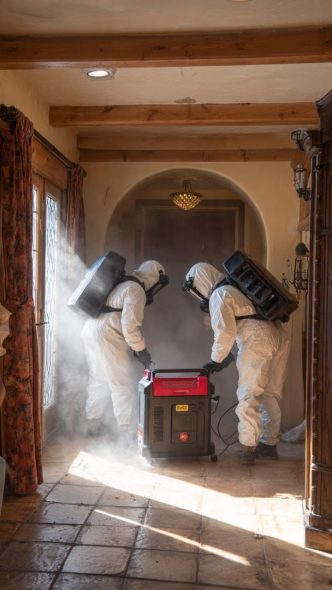
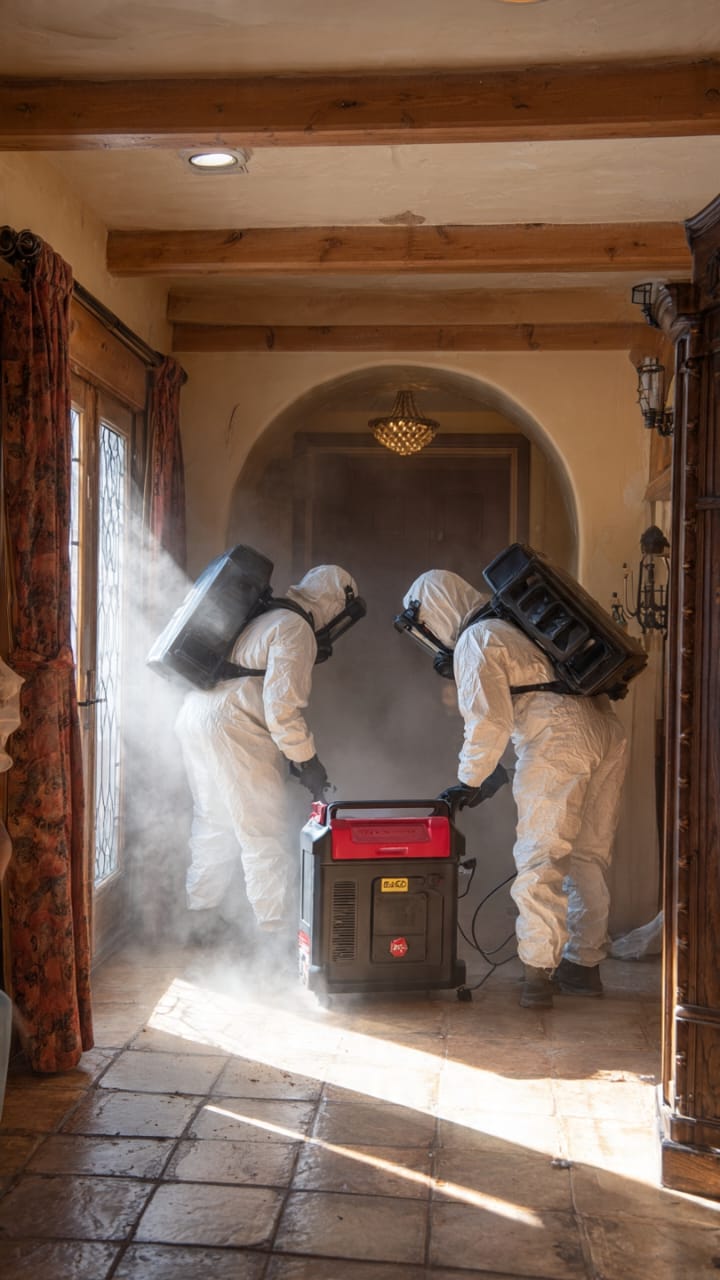
Modern restoration companies rely on specialized equipment capable of removing smoke contamination far more effectively than household cleaning products.Commercial air scrubbers continuously filter indoor air during restoration, capturing microscopic smoke particles and improving air quality throughout the project. High-efficiency filtration systems reduce airborne contaminants while supporting a healthier working environment.Thermal fogging equipment helps neutralize odor molecules by reaching hidden spaces where smoke particles have settled. This technology allows restoration specialists to treat wall cavities, insulation, ventilation systems, and other difficult-to-access locations.Hydroxyl and ozone treatments may also be used in appropriate situations to eliminate persistent odors that remain after deep cleaning. These advanced technologies help restore fresh indoor environments while reducing recurring odor problems.Moisture detection and drying equipment are often necessary when firefighting efforts introduce water into the property. Proper drying prevents additional restoration issues while preparing the building for repairs and reconstruction.
Protecting the Property Through Complete Smoke Restoration
Proper restoration focuses on protecting every part of the property rather than simply improving appearance. Hidden smoke contamination can continue affecting indoor air quality, building materials, and overall comfort if not removed completely.Professional smoke odor removal helps preserve flooring, cabinetry, walls, ceilings, furnishings, and structural components by removing contaminants before permanent deterioration occurs. Careful cleaning also helps extend the life of valuable materials while reducing future maintenance needs.A fully restored property provides improved comfort, cleaner indoor air, and greater confidence that both visible and hidden smoke damage have been professionally addressed. This complete restoration approach supports long-term property value while creating a healthier environment for everyone inside.
Choosing the Right Smoke Restoration Professionals
Selecting experienced restoration specialists is essential for completely eliminating smoke odors and restoring a property’s indoor environment. Smoke damage often extends far beyond visible soot, affecting hidden spaces, ventilation systems, insulation, and porous building materials. Professional restoration technicians understand how smoke behaves and use specialized techniques that address both surface contamination and deeply embedded odor particles.A professional restoration company begins with a detailed inspection to identify every area affected by smoke. Rather than treating only noticeable odors, technicians evaluate walls, ceilings, flooring, furniture, cabinetry, and HVAC systems to create a customized restoration plan. This comprehensive approach ensures that hidden contamination is removed before it causes recurring odor problems.Experienced professionals also explain every stage of the restoration process, allowing property owners to understand what repairs are necessary and how each step contributes to a successful recovery. Clear communication helps reduce uncertainty while ensuring that the restoration project proceeds efficiently from beginning to end.
Restoring Indoor Air Quality After Smoke Damage
One of the greatest challenges after a fire is restoring healthy indoor air quality. Smoke particles are microscopic and can remain suspended in the air or settle inside ventilation systems, allowing unpleasant odors to return whenever heating or cooling equipment operates.Professional restoration teams use advanced air filtration equipment designed to capture airborne smoke particles while improving indoor conditions throughout the cleanup process. High-efficiency filtration systems continuously remove contaminants from the air, creating a cleaner environment during restoration.Cleaning HVAC systems is equally important. Air ducts, vents, and mechanical components may collect smoke residue that continues circulating throughout the building. Professional inspection and cleaning help eliminate hidden contamination while improving the efficiency of the ventilation system.Fresh indoor air is one of the most noticeable benefits of complete smoke restoration. Eliminating airborne contaminants creates a healthier, more comfortable environment for homeowners, employees, and visitors.
Preventing Lingering Smoke Odors
Successful restoration does more than remove existing odors—it also helps prevent them from returning. Smoke particles trapped inside porous materials or hidden structural spaces can continue releasing unpleasant smells if they are not completely eliminated.Professional restoration specialists identify these hidden sources before reconstruction begins. Specialized deodorization treatments penetrate materials that ordinary cleaning products cannot reach, neutralizing odor-causing particles deep within the structure.Routine property maintenance also helps preserve restoration results. Keeping ventilation systems clean, maintaining proper indoor humidity, and responding quickly to minor smoke incidents reduce the possibility of future odor problems.Property owners who follow preventive maintenance recommendations often enjoy longer-lasting restoration results while reducing the need for future odor treatments.
Protecting Valuable Belongings During Restoration
Smoke damage often affects much more than the building itself. Furniture, artwork, electronics, documents, clothing, and sentimental belongings may all absorb smoke particles during a fire. Professional restoration specialists carefully evaluate these items to determine whether they can be successfully restored.Advanced cleaning techniques allow many valuable possessions to be recovered rather than replaced. Specialized deodorization methods remove smoke residue while protecting delicate materials from unnecessary damage.Proper handling is equally important. Restoration teams organize, clean, and protect salvageable belongings throughout the project, minimizing additional exposure while improving the chances of successful restoration.This careful attention helps property owners preserve valuable possessions while reducing the overall financial impact of smoke damage.
Long-Term Benefits of Professional Smoke Restoration
Investing in professional restoration provides benefits that extend well beyond the immediate cleanup process. Proper smoke removal protects structural materials, improves indoor comfort, and helps maintain the overall value of the property.One major advantage is preserving building materials that might otherwise deteriorate because of lingering smoke residue. Walls, wood finishes, flooring, insulation, and cabinetry all benefit from professional cleaning and deodorization.Another long-term benefit is improved energy efficiency. Clean HVAC systems operate more effectively after smoke contamination has been removed, contributing to better airflow and indoor comfort.Professional restoration also provides peace of mind by ensuring that hidden contamination has been properly addressed. Property owners can confidently return to their homes or businesses knowing that both visible and invisible smoke damage has been eliminated.
Why Professional Restoration Delivers Superior Results
Smoke damage presents unique challenges that ordinary cleaning products cannot solve. Surface cleaning may temporarily reduce odors, but deeply embedded smoke particles often remain inside structural materials and ventilation systems.Professional smoke odor removal combines advanced equipment, specialized cleaning methods, odor neutralization, and detailed inspections to eliminate contamination at its source. This comprehensive approach restores both indoor air quality and overall property condition while reducing the likelihood of recurring odor issues.Experienced restoration professionals also understand how different materials respond to smoke exposure. Their knowledge allows them to select the safest and most effective restoration techniques for every part of the property.Choosing professional restoration not only improves the appearance of the building but also protects long-term comfort, health, and property value.
Conclusion
Smoke damage affects much more than what can be seen on walls and ceilings. Microscopic smoke particles can penetrate building materials, ventilation systems, furnishings, and hidden spaces, creating persistent odors that ordinary cleaning cannot eliminate.A complete restoration process includes detailed inspections, deep cleaning, professional deodorization, HVAC evaluation, air quality improvement, and preventive recommendations that help protect the property in the future. Every stage is designed to restore freshness while preserving the structure and its contents.Choosing experienced smoke odor removal specialists ensures that every source of contamination is addressed with precision and care. Through advanced restoration techniques and professional expertise, properties can regain clean indoor air, improved comfort, and long-lasting protection against lingering smoke odors.